Magnesium: How Much You Need, Where It Comes From, and What a Supplement Can and Cannot Do
Most people can meet their magnesium needs from spinach, nuts, seeds, beans and wholegrains. A supplement helps a few, does little for cramps or sleep in most, and has an upper limit worth respecting.
Outspoken Digest Nutrition Desk
Monday, September 21, 2026/3 min read
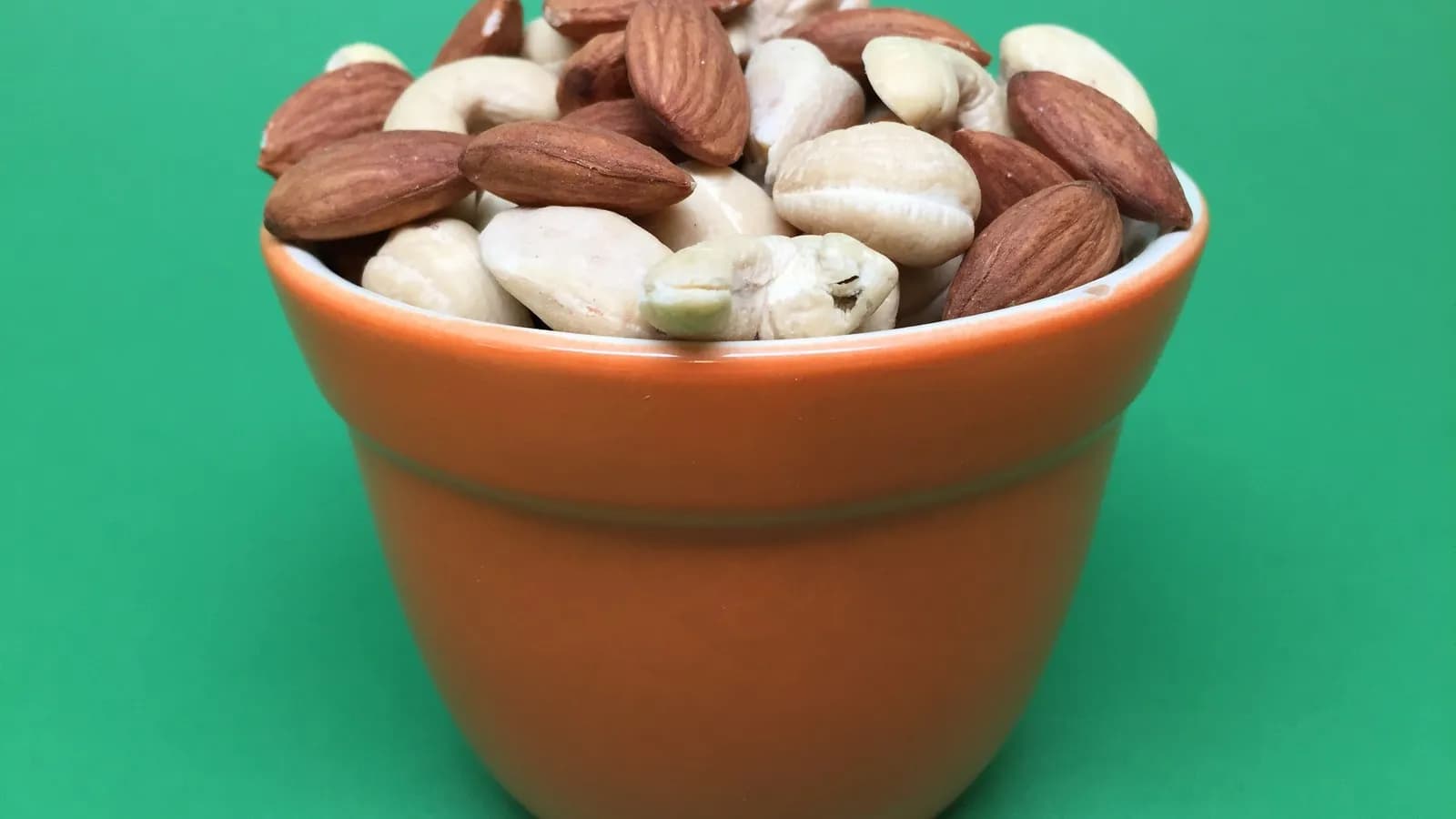
Magnesium is one of those minerals that supplement marketing treats as a modern deficiency and nutrition guidance treats as a diet question. It is involved in hundreds of reactions in the body, from turning food into energy to keeping muscles, nerves and the heartbeat working normally, and the NHS lists energy release and the normal working of the parathyroid glands, which regulate bone health, among its roles. Genuine deficiency is uncommon in healthy people eating a varied diet. Low intakes, though, are common, which is a different thing and has a food-shaped answer.
How much you need
The NHS says adults aged 19 to 64 need 300 mg a day if male and 270 mg a day if female. Other countries set slightly higher figures, and requirements rise a little in pregnancy and fall for children by age. The NHS adds that you should be able to get all you need by eating a varied and balanced diet, which is the position the Department of Health and Social Care takes. The European Food Safety Authority publishes its own reference values for adults, and its dietary reference values pages explain how they are derived.
Where it comes from
Magnesium sits at the centre of the chlorophyll molecule, so green leafy vegetables carry it, and it is concentrated in the seed parts of plants. The best sources are:
- Pumpkin and squash seeds, roughly 150 mg in a 30 g handful
- Almonds, cashews and peanuts, roughly 50 to 80 mg in 30 g
- Cooked spinach, roughly 80 mg in half a cup (about 90 g)
- Beans, lentils and chickpeas, 40 to 60 mg in half a cup cooked
- Wholemeal bread, brown rice, oats and other wholegrains, which retain the germ and bran that refining removes
- Fish, avocado, bananas, and dark chocolate in smaller but worthwhile amounts
These are approximate, and food tables differ by variety and preparation. The practical point is that a daily handful of nuts or seeds, a portion of beans or greens, and wholegrains in place of refined ones will close most gaps. A diet built on refined flour, white rice and sugar is where intakes fall short, which is one reason the Eatwell Guide leans on wholegrains, pulses and vegetables. See also our piece on fibre, which travels with most of the same foods.
Supplements
The NHS says high doses of magnesium, more than 400 mg, taken for a short time can cause diarrhoea, and that there is not enough evidence to say what the effects might be of high doses for a long time. It advises that 400 mg or less a day from supplements is unlikely to cause harm. Forms differ in how well they are absorbed and how hard they are on the gut: magnesium oxide is poorly absorbed and the likeliest to loosen the bowels, while citrate and glycinate are generally better tolerated. People with kidney disease should not take magnesium supplements without medical advice, because the kidneys clear the excess. It can also interfere with some medicines, including certain antibiotics, bisphosphonates and thyroid tablets, so ask a pharmacist and space doses apart.
The claims
Magnesium is promoted for cramps, sleep, mood, migraine and blood pressure. The evidence is uneven. Reviews of magnesium for muscle cramps in older adults have found little or no benefit, and the evidence for sleep and anxiety is limited and mixed. There is somewhat better support for modest effects on blood pressure and for migraine prevention at higher doses, which belong under a clinician's guidance. A person who is truly low, because of a medicine, heavy alcohol use, or a gut or kidney condition, is a different case, and a blood test and a doctor will sort it out. For the rest of us, the wise first move costs less than a bottle of tablets: a bowl of lentils and a handful of almonds. Our vitamin D reality check applies the same reasoning to another popular supplement.
Published in The Outspoken Digest
Editorial desk
Outspoken Digest Nutrition DeskDiet, food science and the evidence behind claims about what we eat.
Newsletter
The Digest, in your inbox
One edition, sent when it is ready. No noise, and your address is never passed on.
Read Next
More Nutrition →
Older Adults Who Ate Four or More Ultra-Processed Servings a Day Had More Depressive Symptoms
Oct 22, 2026/2 min read

Each Extra Daily Serving of Fruit Was Linked to 13 Percent Lower Risk of Teen Depression Symptoms
Oct 21, 2026/2 min read

Small Pilot Trial Finds Meals or an App Slowed Weight Regain After People Stopped GLP-1 Drugs
Oct 15, 2026/2 min read
Potassium-Rich DASH Diet Did Not Raise Blood Potassium to Unsafe Levels in Adults on Blood Pressure Drugs
Oct 13, 2026/2 min read