How to Hold Yourself Together When the Region Is on Fire
One in five people who live through conflict develops a mental health condition. Most of the useful advice is unglamorous: fix sleep, ration news, keep routine, and treat connection as a necessity rather than a nicety.
Thursday, August 13, 2026/4 min read
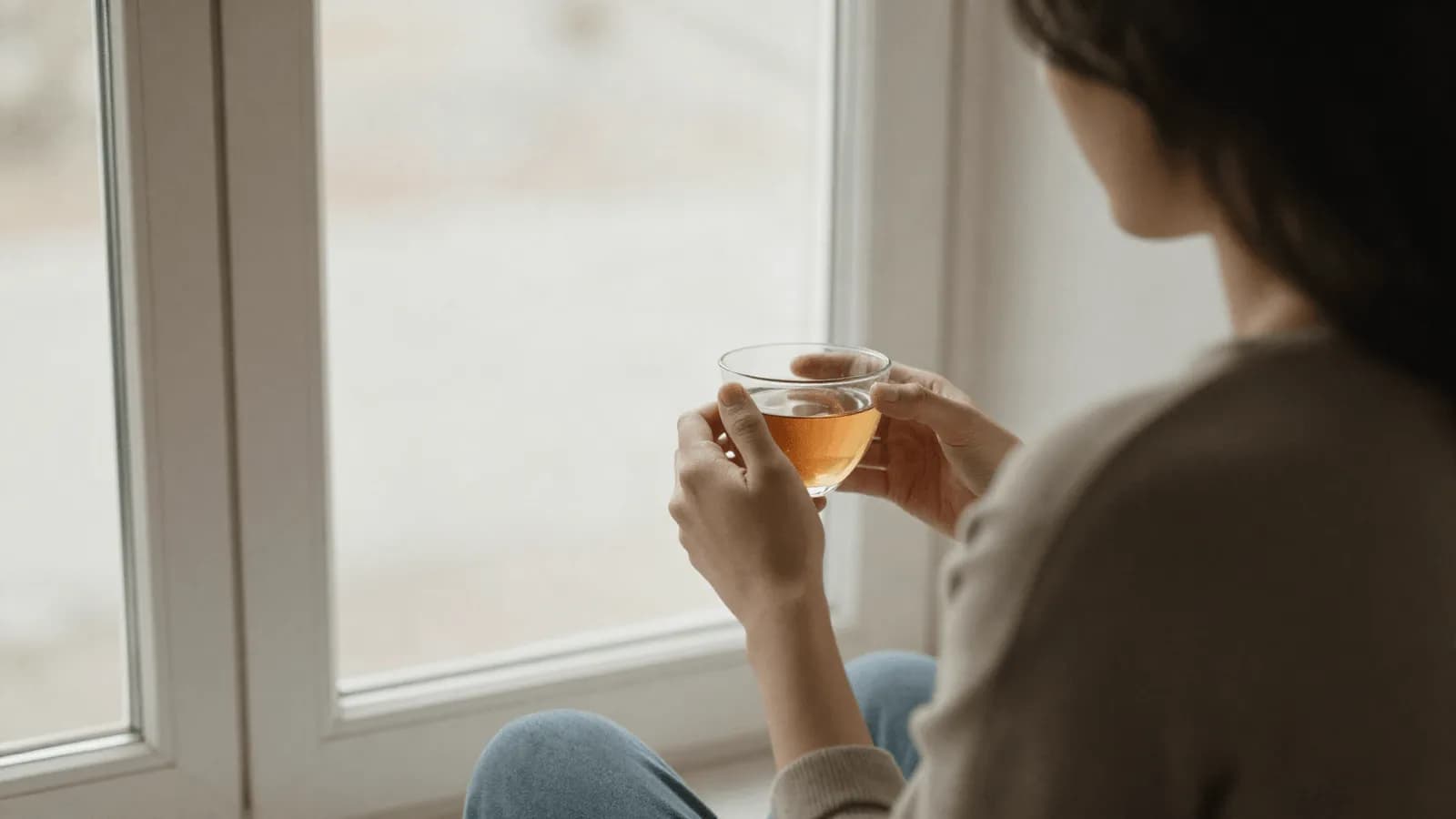
The World Health Organization's estimate is that one in five people who experience war or conflict develops depression, anxiety or post-traumatic stress disorder, or sees existing conditions worsen. That is not a fringe outcome. It is the ordinary consequence of an ordinary person living through something no one is built for.
Two things are worth saying before any advice. First, distress in these circumstances is not a malfunction. Fear when there is something to fear is your threat system doing exactly what it evolved to do. Second, none of what follows is a substitute for care if you need it, and it is not a suggestion that breathing exercises solve a war.
What it is: the measures with the best evidence behind them, for the situation most people are actually in.
Sleep first, because everything else depends on it
Sleep is the first thing conflict takes and the thing whose loss makes every other symptom worse. Poor sleep amplifies threat perception, shortens temper, degrades judgement and deepens low mood, which then further degrades sleep.
What helps, in order of impact:
- A fixed wake time, held regardless of how the night went. Wake time anchors the body clock far more reliably than bedtime.
- No news in the hour before bed. This is the single highest-yield change most people can make.
- Get out of bed if you have been awake 20 minutes. Sit somewhere dim, do something dull, return when sleepy. Lying awake trains the bed as a place for vigilance.
- Accept broken sleep without catastrophising it. Fragmented sleep during a crisis is normal and recovers. Fear of not sleeping is itself a major cause of not sleeping.
Ration the news, do not abandon it
The instinct to check constantly is rational in origin and harmful in practice. Refreshing a feed feels like vigilance but delivers almost no actionable information, while keeping the stress response continuously switched on.
Complete avoidance is not the answer either, particularly for people with family in affected areas, where information is genuinely needed.
A workable middle:
- Two fixed times a day, for a set duration.
- Text over video. Footage of violence produces a much stronger physiological response, and repeated exposure to graphic imagery has measurable effects even on people at a safe distance.
- Two or three sources you have decided to trust, rather than an algorithmic feed optimised for whatever keeps you scrolling.
- Never in bed. See above.
The related habit of slow, deliberate media consumption is something we have written about in why slow media beats a digital detox, and it applies with more force here.
Keep the structure, even when it feels absurd
Routine is not denial. Meals at set times, work if there is work, a walk, a shower, a made bed. These are not distractions from the situation. They are the scaffolding that keeps a person functioning inside it.
People who maintain daily structure through prolonged crises consistently do better than those who do not, and the effect is not small.
Where routine has been destroyed by displacement or curfew, the guidance is to build a new one immediately, however small. Same wake time, same first activity, same evening marker.
Do something with the body
Stress is physiological, and physical activity metabolises it in a way that thinking cannot. Walking is enough. The evidence for exercise in depression and anxiety is among the strongest in behavioural medicine, summarised in our review of the trials.
Slow breathing works too, and it is not a platitude. Extending the exhale relative to the inhale, four in and six out for a couple of minutes, measurably shifts the autonomic balance. It will not fix your circumstances. It will lower your heart rate enough to think.
Connection is a clinical variable
Social support is one of the strongest predictors of who comes through a prolonged crisis intact. Isolation is one of the strongest predictors of who does not.
Practically: talk to people daily, in person where possible. Say specific things rather than general ones. Accept help, which many people find harder than offering it. And be aware that helping someone else is itself protective, which is part of why volunteers in crises often report better mental health than passive observers.
Psychological first aid: what to do for someone else
The WHO framework is deliberately simple, teachable in a day, and does not require any clinical background. Three actions: Look, Listen, Link.
- Look. Notice who is struggling and check for immediate needs and safety.
- Listen. Approach, ask, listen without pressing for the details of what happened. Do not extract the story. That is not helpful and can cause harm.
- Link. Connect them to practical support: information, services, family, whatever their actual need is.
What not to do is as important. Do not tell someone to be strong, do not compare their situation to anyone else's, and do not promise anything you cannot deliver.
When to get help rather than manage
Seek professional support if, after several weeks:
- You cannot function at work or at home.
- Intrusive memories or nightmares are persistent.
- You are avoiding places or people to a degree that shrinks your life.
- You are drinking or using substances to cope.
- You have thoughts of harming yourself. This one is not a wait-and-see item. Contact emergency services or a crisis line today.
Most acute stress reactions settle. The ones that do not respond well to treatment, and early treatment works better than late.
Fuller guidance, including support for people whose families are inside affected areas, is in our piece on mental health during war.
None of this requires you to feel fine. It requires you to keep functioning while you do not, which is a lower and much more achievable bar.
Published in The Outspoken Digest
Editorial desk
Outspoken Digest Health DeskMedicine, public health and the research behind the headlines, read carefully.
Newsletter
The Digest, in your inbox
One edition, sent when it is ready. No noise, and your address is never passed on.
Read Next
More Health →
Cochrane Review Finds Medical Cannabis Has No Clear Benefit for Insomnia, With Weak Evidence Either Way
Oct 13, 2026/2 min read

Lancet Commission Names 17 Threats to Global Health Through 2100, With Obesity the Largest by Burden
Oct 12, 2026/2 min read
FDA Approves Pritelivir for Herpes Lesions That Resist Standard Antivirals in Immunocompromised Adults
Oct 10, 2026/2 min read