The Sting Will Not Kill You, and the Wrong First Aid Might Still Ruin the Trip
Lionfish, stonefish, stingrays and most jellyfish deliver venoms that heat breaks down. The standard measure is immersion in fresh water as hot as you can stand without burning, capped at 45 degrees, for thirty to ninety minutes.
Wednesday, September 2, 2026/4 min read
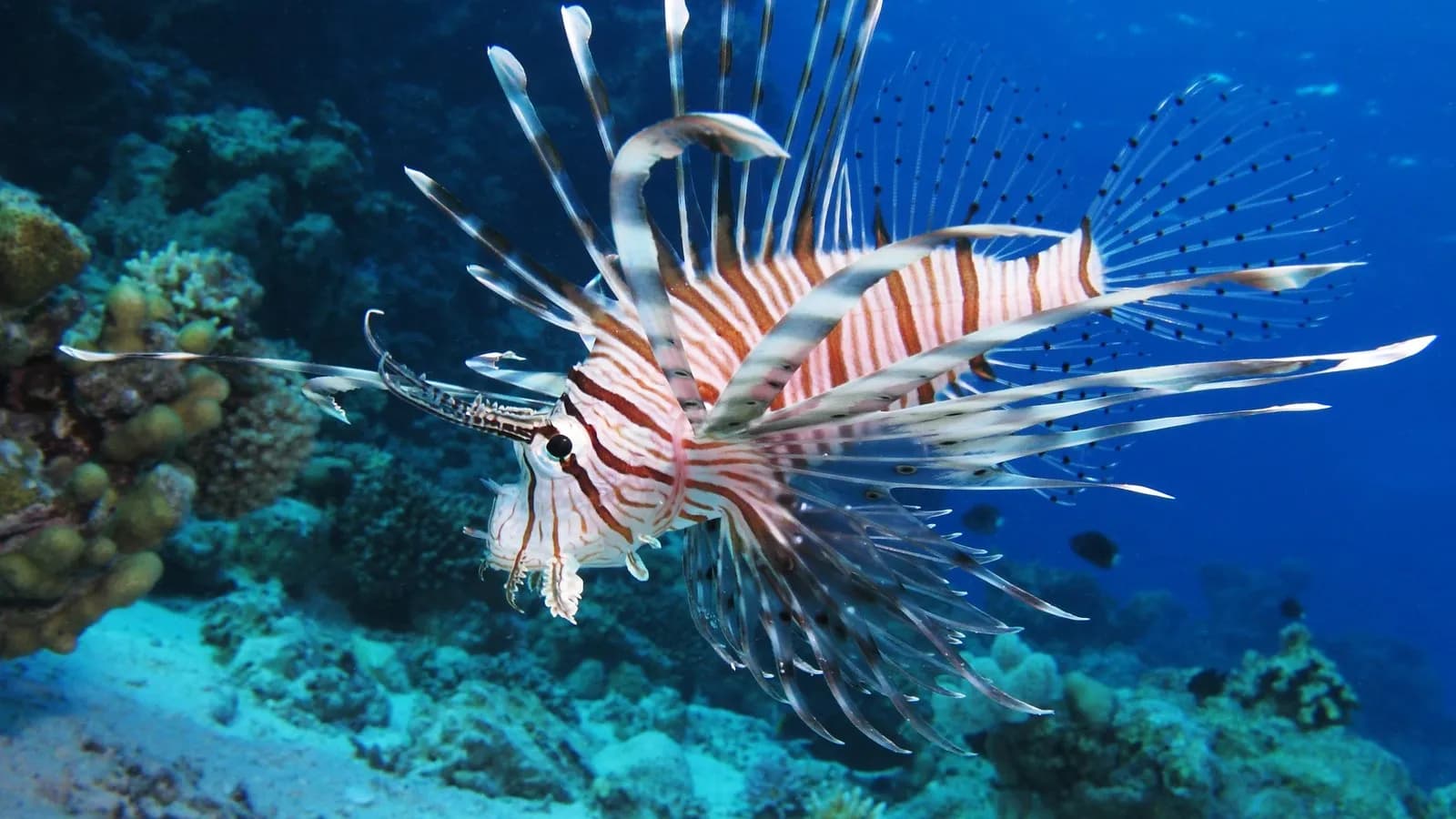
Most marine envenomations a diver in this region will meet are painful, frightening and survivable. The reason they turn into ruined holidays and infected wounds is almost never the venom. It is the twenty minutes afterwards.
The single most useful thing to know is that many marine venoms are proteins, and proteins are broken down by heat. That is why the standard first aid measure is hot water, and why ice, which is most people's instinct, is the wrong direction.
The measure that covers most of them
Immerse the affected part in hot fresh water, as hot as can be tolerated without causing a burn, with an upper limit of 45 degrees Celsius, for thirty to ninety minutes.
Those numbers are worth memorising precisely. 45 degrees is about the temperature at which water stops being comfortable and starts being dangerous to skin, and the guidance caps there for a reason. Thirty to ninety minutes is longer than anyone expects to stand at a tap, and the pain relief typically arrives well before the end of it, which tempts people to stop early. Venom that has not been denatured keeps working.
Two practical warnings. Test the water on an uninjured part of your own body, not on the casualty, because an envenomated limb has unreliable sensation and a person in that much pain will accept water that is scalding them. And if the casualty cannot feel the water properly, somebody else sets the temperature.
Lionfish, which is the one you will actually meet
The Red Sea and the Gulf have them, they are not aggressive, and almost every sting is somebody's hand meeting a spine they did not see.
The venom sits in grooves along the dorsal, pelvic and anal spines. It is delivered mechanically, by the spine going in. It is not injected under pressure and the fish is not attacking.
Treatment is the hot water protocol above. Alongside it, wash the area thoroughly with soap and fresh water, remove any foreign material, and control bleeding if there is any. Spine fragments break off in the wound more often than people expect, and a fragment left in place is the usual route to a wound that will not settle.
Jellyfish are the exception worth remembering
They come with an extra step, and the order matters.
Jellyfish sting through nematocysts, microscopic capsules that fire on contact. Any still attached to the skin can discharge more venom if handled wrongly. Rinsing with vinegar neutralises the ones that have not yet fired. Do that before the hot water, then immerse as above.
What not to do: fresh water rinsing before the vinegar, rubbing the area, or scraping with anything hard, all of which can trigger the remaining capsules. The folklore remedies are worse than useless and one of them is a genuinely bad idea for reasons of dignity as well as medicine.
Stingrays are a wound problem more than a venom problem
Same hot water immersion, at 43 to 45 degrees, for thirty to ninety minutes.
The difference is that a stingray barb is a large, dirty, serrated object that goes deep. The venom hurts enormously and the puncture is what actually threatens you: retained barb fragments, contamination, and injury to whatever the barb passed through. A stingray wound to the torso is a hospital case regardless of how the pain is behaving.
When it stops being first aid
Go to a doctor, not a dive shop, if any of the following is true.
The pain does not respond at all to properly hot water. The wound is deep, to the chest, abdomen, neck or face, or you cannot be confident nothing is left in it. There is spreading redness, swelling beyond the immediate area, or fever hours later. There is any difficulty breathing, dizziness, or swelling elsewhere, which suggests an allergic reaction rather than the venom itself. Or the casualty is a child, elderly, or has a significant medical history.
Marine wounds also carry organisms that ordinary antibiotics do not always cover, and tetanus status matters. That is a conversation with a clinician, and in this region a hyperbaric facility is often the place that knows most about it. Where those are is in our list of chambers in the Red Sea and the Gulf.
The preparation that costs nothing
Know where the hot water is before you need it.
On a liveaboard or a dive boat, that means knowing whether there is a way to get water to a controlled temperature, and whether anyone has a thermometer. Thirty to ninety minutes of tolerable hot water is a logistical problem on a boat and a trivial one at a hotel, and the difference decides how a sting goes. Our checklist for what a remote boat should be carrying is in the liveaboard safety piece, and what a membership actually pays for is in the piece on DAN cover.
And the prevention is duller than any of this. Look before you put a hand down, do not wear gloves as a substitute for looking, shuffle rather than step in shallow sand where rays rest, and keep your buoyancy off the reef. Almost every sting in this article is a contact nobody intended.
Published in The Outspoken Digest
Editorial desk
Outspoken Digest Diving DeskCovers freediving, recreational and technical diving, dive medicine and the incidents the sport learns from.
Newsletter
The Digest, in your inbox
One edition, sent when it is ready. No noise, and your address is never passed on.
Read Next
More Diving →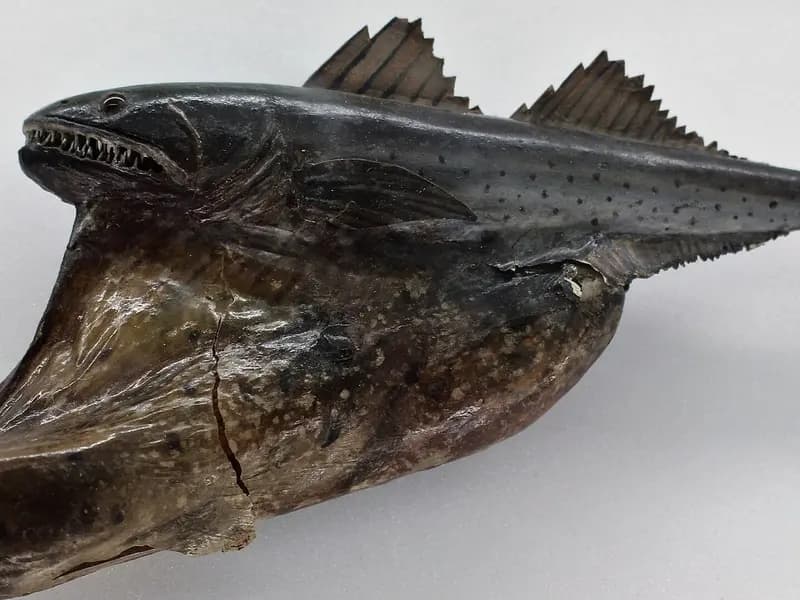
Black Swallower Filmed With a Hugely Swollen Belly 1,259 Metres Down Off Trinidad and Tobago
Oct 13, 2026/2 min read

Playing Recordings of a Healthy Reef Drew More Coral and Fish Larvae to Artificial Structures Off Hawaii
Oct 9, 2026/3 min read
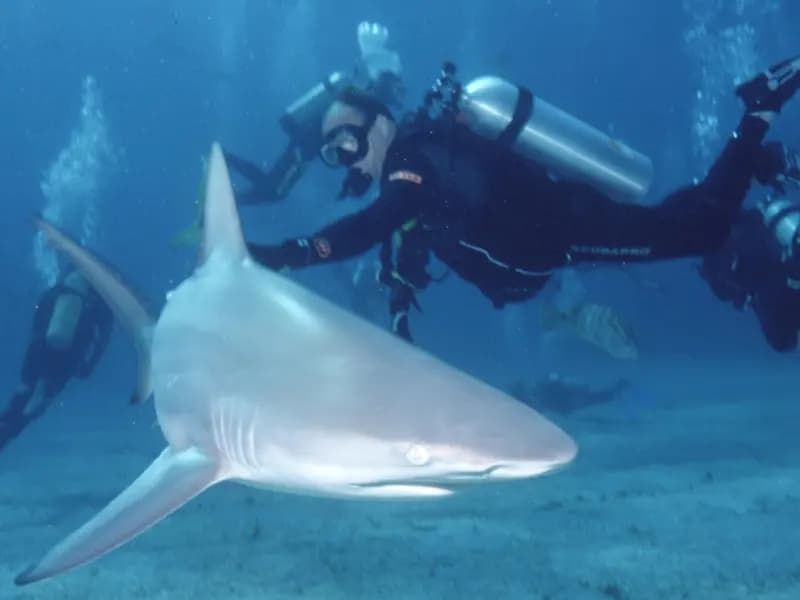
Blacktip Sharks Can Hear a Sound From Nearly 250 Feet Away and Swim Straight Toward or Away From It
Oct 1, 2026/2 min read
A Sea Turtle Species Never Recorded Nesting in the United States Laid Eggs on a Southern California Beach
Oct 1, 2026/2 min read