Wall Street Fell as the Ten-Year Treasury Hit Its Highest Yield Since 2007 on Fresh Inflation Worry
The Dow and S&P 500 slipped 0.7 and 0.8 per cent and the Nasdaq fell 1.1 on Wednesday as the ten-year yield climbed to about 5.11 per cent. Nvidia dropped 1.5, Broadcom 2.6 and Micron 2.2 as investors took profit after the prior week's chip rally.
Thursday, September 24, 2026/2 min read
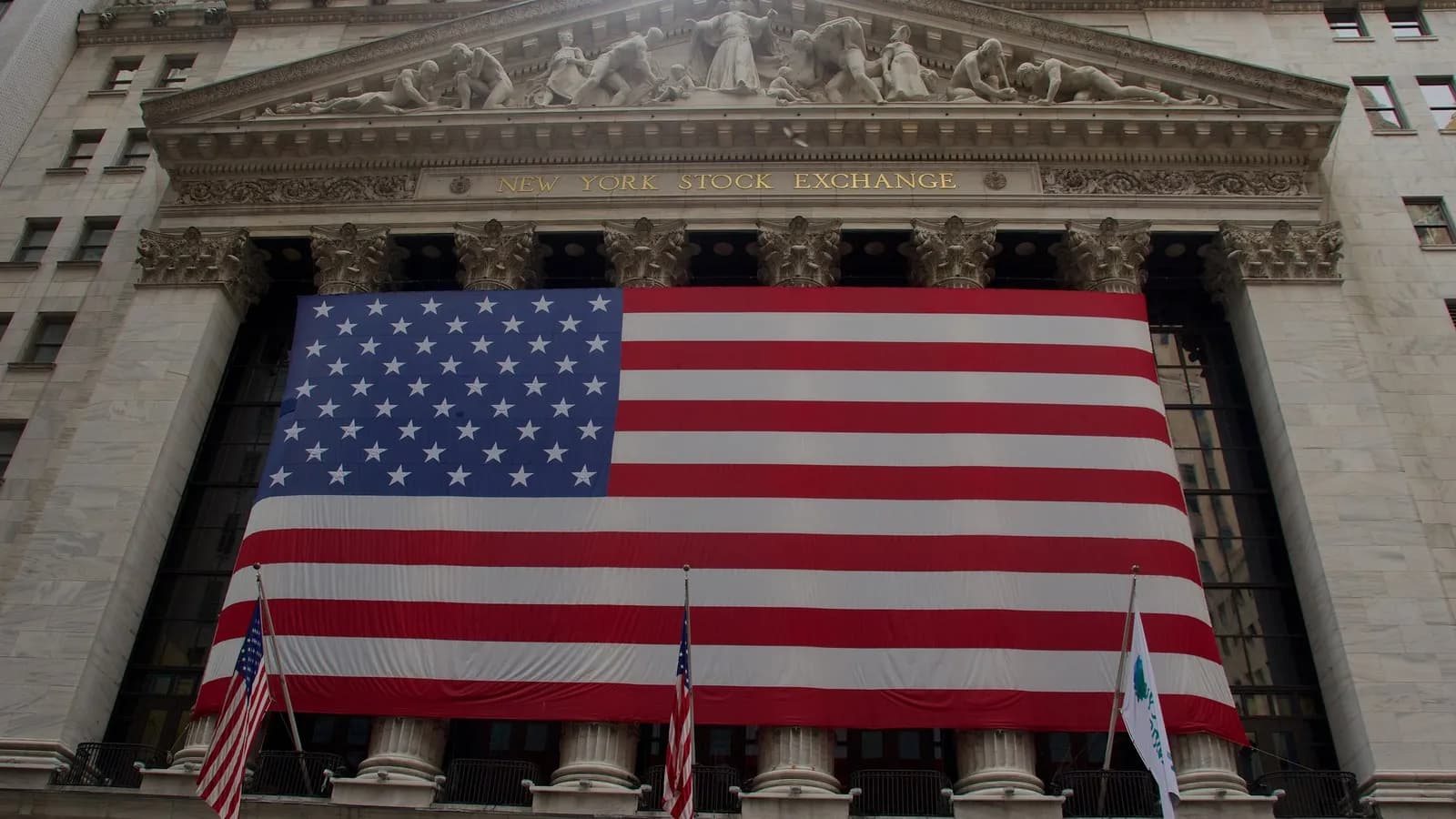
Two weeks after the Federal Reserve raised rates and a week after Meta's Muse agent set off a chip-stock rally that pushed AMD past a trillion dollars in market value, as we reported, Wall Street gave some of that back. Stocks fell on Wednesday as long-dated bond yields rose and higher oil prices renewed inflation worry: the Dow Jones Industrial Average slipped about 0.7 per cent, the S&P 500 about 0.8, and the Nasdaq Composite about 1.1, with technology shares leading the decline. Yahoo Finance's live markets desk attributed the move to the bond market rather than to any single equity story.
The yield move
The benchmark ten-year US Treasury yield climbed to around 5.11 per cent, its highest level since July 2007, a rise that makes borrowing more expensive across the economy and makes future corporate earnings worth less in today's terms, which is the standard mechanism by which higher yields pressure growth and technology stocks in particular. The move followed a stretch of rising oil prices; Brent crude has been volatile through September on the mix of Gulf diplomacy and Saudi supply disruption we tracked earlier in the week, and a renewed climb in crude raises the same inflation concern that pushed the Fed to raise rates in the first place.
The chip pullback
Chipmakers, which had led the market higher for most of the prior week on the theory that AI agents need more general-purpose processing power, gave back some of those gains as investors took profit: Nvidia fell about 1.5 per cent, Broadcom 2.6 and Micron 2.2. None of the three companies reported new news on Wednesday; the moves read as a rotation out of a sector that had risen sharply rather than a reassessment of the underlying agentic-computing argument. A dinner on Thursday between Presidents Trump and Xi is due to include Nvidia's Jensen Huang alongside OpenAI's Sam Altman and Google's Sundar Pichai, and traders will be watching for any comment on export controls that could move the same stocks again by the end of the week.
The bigger picture
A 0.7 to 1.1 per cent single-day fall is not, on its own, a signal of anything beyond normal volatility, and equity indices remain well above where they stood before this month's rally began. What is worth tracking is the yield level itself: five per cent on the ten-year has been a psychological line all year, and a close near 5.11 puts the market back at pre-2008-crisis territory for long-term borrowing costs, a fact that will weigh on mortgage rates, corporate refinancing and the federal government's own interest bill regardless of what happens at Thursday's dinner in Washington.
Published in The Outspoken Digest
Editorial desk
Outspoken Digest Markets DeskReports for The Outspoken Digest across Business, Crypto.
Newsletter
The Digest, in your inbox
One edition, sent when it is ready. No noise, and your address is never passed on.
Read Next
More Business →
Starbucks Says It Is Not Buying Chipotle, Ending a Four-Day Takeover Story and Costing Chipotle About 4 Percent
Oct 13, 2026/2 min read
Wall Street Ends Mixed Near Records as Chip Stocks Slide, Oil Climbs and Traders Await Wednesday's Inflation Report
Oct 13, 2026/2 min read

Robert Hall and Michael Woodford Win the Nobel Prize in Economics for Models That Steady Economies
Oct 12, 2026/2 min read
Nasdaq Falls 1.25% as the FT Puts OpenAI's Annualized Revenue Near $50 Billion, Not $70 Billion
Oct 9, 2026/2 min read