NAUI: The Agency That Lets the Instructor Decide
Older than PADI, structured as a non-profit membership association, and built on a principle almost nobody else uses: the instructor may exceed the standards, and is expected to.
Wednesday, August 12, 2026/3 min read
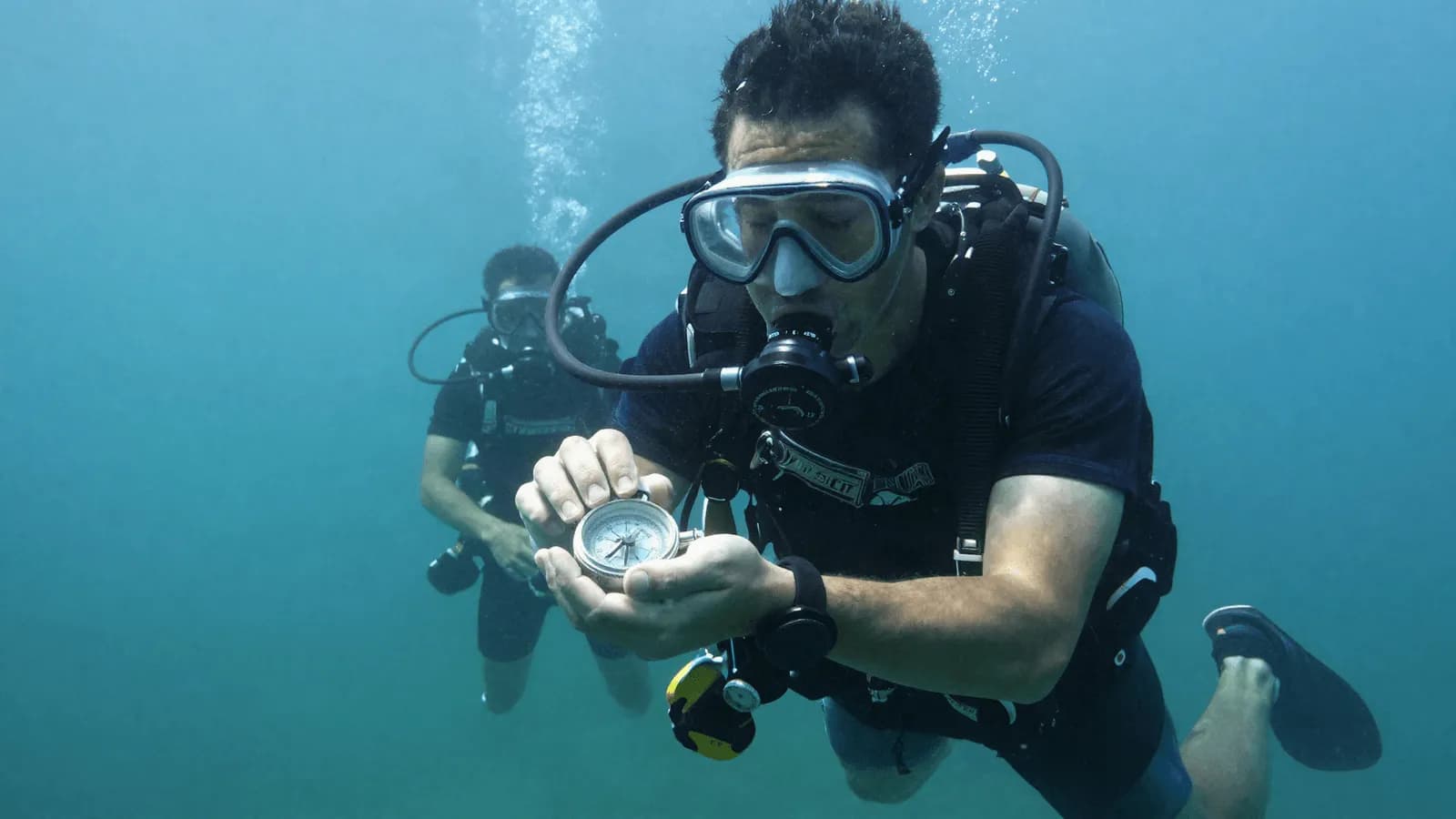
The National Association of Underwater Instructors was founded in 1960, making it the oldest of the mainstream recreational agencies, and it is structured differently from most of its competitors. NAUI is a non-profit membership association owned by its instructors rather than a franchise system selling to dive centres.
That ownership structure is not trivia. It shapes the thing NAUI is actually known for.
The distinguishing principle
NAUI's standards are minimums that the instructor is explicitly permitted, and encouraged, to exceed. An instructor may add skills, add dives, add theory, and set a higher bar for their students than the written standard requires, without seeking permission.
The agency's long-standing tagline about diving safety through education reflects that. Where a franchise model needs standardisation to protect the brand across thousands of centres, a membership association can afford to trust the professional.
The strength is obvious. A good NAUI instructor can teach a genuinely deeper course than the syllabus mandates, particularly in theory, rescue skills and self-reliance.
The weakness is the mirror image. If the floor is the standard and the ceiling is the instructor, then the variance between courses is wider. A NAUI card tells you the minimum was met. It does not tell you how far above it the person went.
What the entry-level course covers
The structure will look familiar to anyone who has done any agency's open water course: academic work, confined water skills, and open water dives with a qualifying depth in the 18 metre range for entry level.
Where NAUI has historically differed is in emphasis rather than shape.
- More theory. The academic component has traditionally been heavier on physics, physiology and decompression theory, including dive table work that some agencies have quietly de-emphasised in favour of computers.
- Rescue earlier. Rescue-oriented content appears sooner in the NAUI progression than in some competing ladders.
- Self-reliance. A stronger cultural emphasis on the diver being independently capable rather than dependent on a guide.
On tables specifically, there is a real argument here. Computers have made tables operationally obsolete for most divers, and we have written about the limits of what a computer can know. But learning tables teaches the shape of decompression in a way that reading a number off a screen does not, and a diver who understands why the number changes makes better decisions when it does.
The progression
NAUI runs the expected ladder: entry level, advanced, rescue, master diver, divemaster, assistant instructor and instructor, plus specialties and a technical division covering nitrox, decompression procedures, trimix and rebreathers.
NAUI Master Diver deserves a specific mention because it is a genuinely substantial recreational qualification, considerably more demanding than the similarly-named cards elsewhere, and it is one of the reasons experienced divers speak well of the agency.
Where you will and will not find it
NAUI is strong in North America, in university and scientific programmes, and in military and public safety training, where its instructor-led model and academic depth fit institutional requirements well. It has long-standing relationships in that world.
It is less ubiquitous in the resort market. In much of the Red Sea, Southeast Asia and the Gulf you will find far more PADI and SSI centres than NAUI ones, which matters if you want to certify while travelling or continue training in a hurry.
Cross-recognition is not an issue. NAUI certifications are accepted by operators worldwide, and you can move between agencies at almost any level.
Who it suits
NAUI suits divers who want to understand the theory rather than operate the equipment, who have found a specific instructor they rate, and who value depth over convenience. It suits people going into scientific, academic or public safety diving, where the institutional safety frameworks align closely with how NAUI already teaches.
It suits you less if you are certifying on holiday next week and want the nearest centre.
The honest comparison
The agency argument is mostly noise. What NAUI's model does is shift more of the outcome onto the instructor, deliberately and by design.
Since the instructor is the dominant variable in every agency's system anyway, NAUI is arguably just being honest about it. That is worth something, provided you do the work of choosing well. The full comparison across the main agencies is in our guide to which certification to choose.
Published in The Outspoken Digest
Editorial desk
Outspoken Digest Diving DeskCovers freediving, recreational and technical diving, dive medicine and the incidents the sport learns from.
Newsletter
The Digest, in your inbox
One edition, sent when it is ready. No noise, and your address is never passed on.
Read Next
More Diving →
Black Swallower Filmed With a Hugely Swollen Belly 1,259 Metres Down Off Trinidad and Tobago
Oct 13, 2026/2 min read

Playing Recordings of a Healthy Reef Drew More Coral and Fish Larvae to Artificial Structures Off Hawaii
Oct 9, 2026/3 min read
Blacktip Sharks Can Hear a Sound From Nearly 250 Feet Away and Swim Straight Toward or Away From It
Oct 1, 2026/2 min read
A Sea Turtle Species Never Recorded Nesting in the United States Laid Eggs on a Southern California Beach
Oct 1, 2026/2 min read