Oil Pulling and Tongue Scraping: One Has Modest Evidence, the Other Is Mostly Enthusiasm
Two Ayurvedic oral practices have gone mainstream on very different evidence bases. Neither replaces a toothbrush, and one of them has a Cochrane review that found two trials and forty people.
Friday, September 4, 2026/3 min read
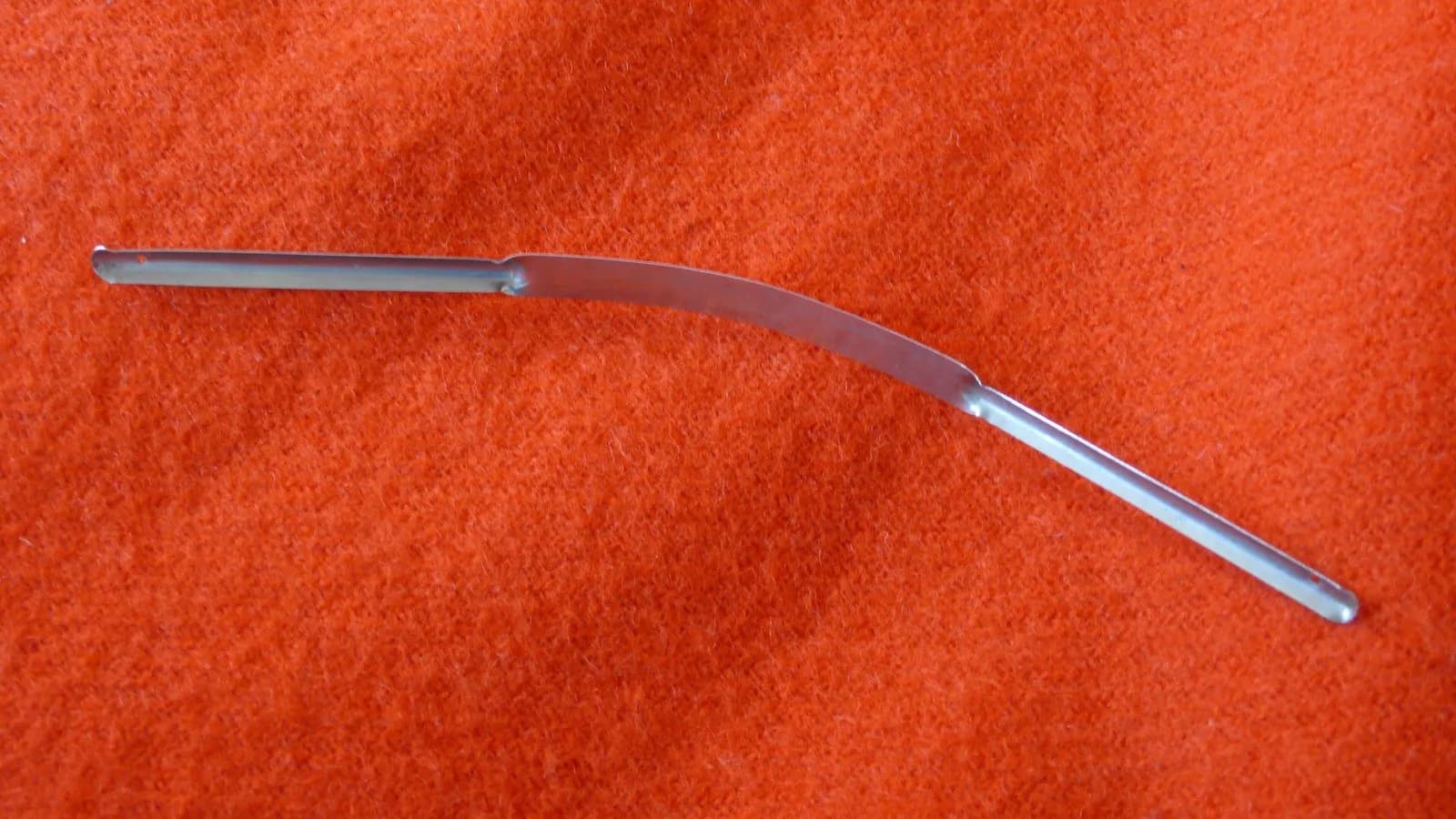
Two practices from Ayurvedic oral hygiene have escaped into general use. Swishing oil around the mouth for several minutes, and scraping the tongue with a metal or plastic blade.
They tend to be discussed together and treated as equivalent. They are not, and it is worth separating what each one can claim.
Tongue scraping
This is the more defensible of the two, and its logic is straightforward.
The great majority of ordinary bad breath originates in the mouth rather than the stomach, and specifically on the back of the tongue, where a coating of bacteria, food debris and shed cells produces volatile sulphur compounds. Removing that coating mechanically should reduce the smell, and this is not a controversial idea in dentistry.
The evidence is thinner than the plausibility. A Cochrane review of tongue scraping for halitosis by Outhouse and colleagues found only two trials, involving forty participants in total, and concluded that mechanical tongue cleaning appeared to have very limited and short-acting benefit. That review was subsequently withdrawn and replaced by a broader protocol covering halitosis interventions generally.
Two trials and forty people is not a body of evidence. It is a gap in the literature, which is a different thing from a negative finding, and it reflects the fact that nobody has much commercial reason to fund trials of a metal strip that costs almost nothing.
The practical position: it is cheap, it is safe if you are not aggressive, and the short-acting benefit it appears to have is exactly what most people want from it. Scrape from back to front, rinse the scraper between passes, and do not press hard enough to hurt.
Oil pulling
Here the gap between claim and evidence is wider.
The practice involves holding a tablespoon of oil, traditionally sesame and now commonly coconut, in the mouth for ten to twenty minutes. Trials do exist, mostly small, mostly short, and mostly comparing oil pulling against chlorhexidine mouthwash on measures such as plaque index, gingival index and bacterial counts. Systematic reviews of this literature generally find studies of limited size and duration, running from a few days to a few weeks, with methodological weaknesses that make the results hard to lean on.
There may be a modest effect on plaque and gingival measures. There is no good evidence that it whitens teeth, cures gum disease, or does anything at all to the rest of the body.
That last claim is the one to be firm about. Oil pulling is regularly described as drawing toxins out of the bloodstream through the mouth. There is no mechanism by which this could happen, and the word toxin in that sentence is doing no work, as we set out in our piece on detox.
The risks, which are small but real
Lipoid pneumonia has been reported after accidental inhalation of oil during pulling, which is rare and serious. Do not do it lying down, do not do it while distracted, and it is not suitable for young children.
Do not swallow the oil. Do not spit it into the sink, where it will solidify and block the drain.
And the important one: neither practice substitutes for brushing with fluoride toothpaste, cleaning between the teeth, or seeing a dentist. Case reports exist of people whose dental disease advanced while they were relying on oil pulling instead of treatment, and that is the only way either of these practices becomes genuinely dangerous.
The honest summary
Tongue scraping is a reasonable, cheap addition with limited short-term evidence for the one thing people use it for. Oil pulling is unlikely to harm you if done sensibly, may do something modest for plaque, and does nothing systemic.
Both are the sort of practice where the traditional framework and the modern evidence can be held apart without embarrassment. Our fuller assessment of the system they come from, including a documented safety problem with manufactured Ayurvedic products, is in this piece.
Published in The Outspoken Digest
Editorial desk
Outspoken Digest Health DeskMedicine, public health and the research behind the headlines, read carefully.
Newsletter
The Digest, in your inbox
One edition, sent when it is ready. No noise, and your address is never passed on.
Read Next
More Health →
Cochrane Review Finds Medical Cannabis Has No Clear Benefit for Insomnia, With Weak Evidence Either Way
Oct 13, 2026/2 min read

Lancet Commission Names 17 Threats to Global Health Through 2100, With Obesity the Largest by Burden
Oct 12, 2026/2 min read
FDA Approves Pritelivir for Herpes Lesions That Resist Standard Antivirals in Immunocompromised Adults
Oct 10, 2026/2 min read