You Do Not Have to Give Up Rice. You Do Have to Change Which One, How Much, and What Is On It
Telling a household built around rice to stop eating rice is advice that gets nodded at and ignored. Four changes to the same plate do more for post-meal glucose than an instruction nobody will follow.
Outspoken Digest Nutrition Desk
Saturday, August 8, 2026/3 min read
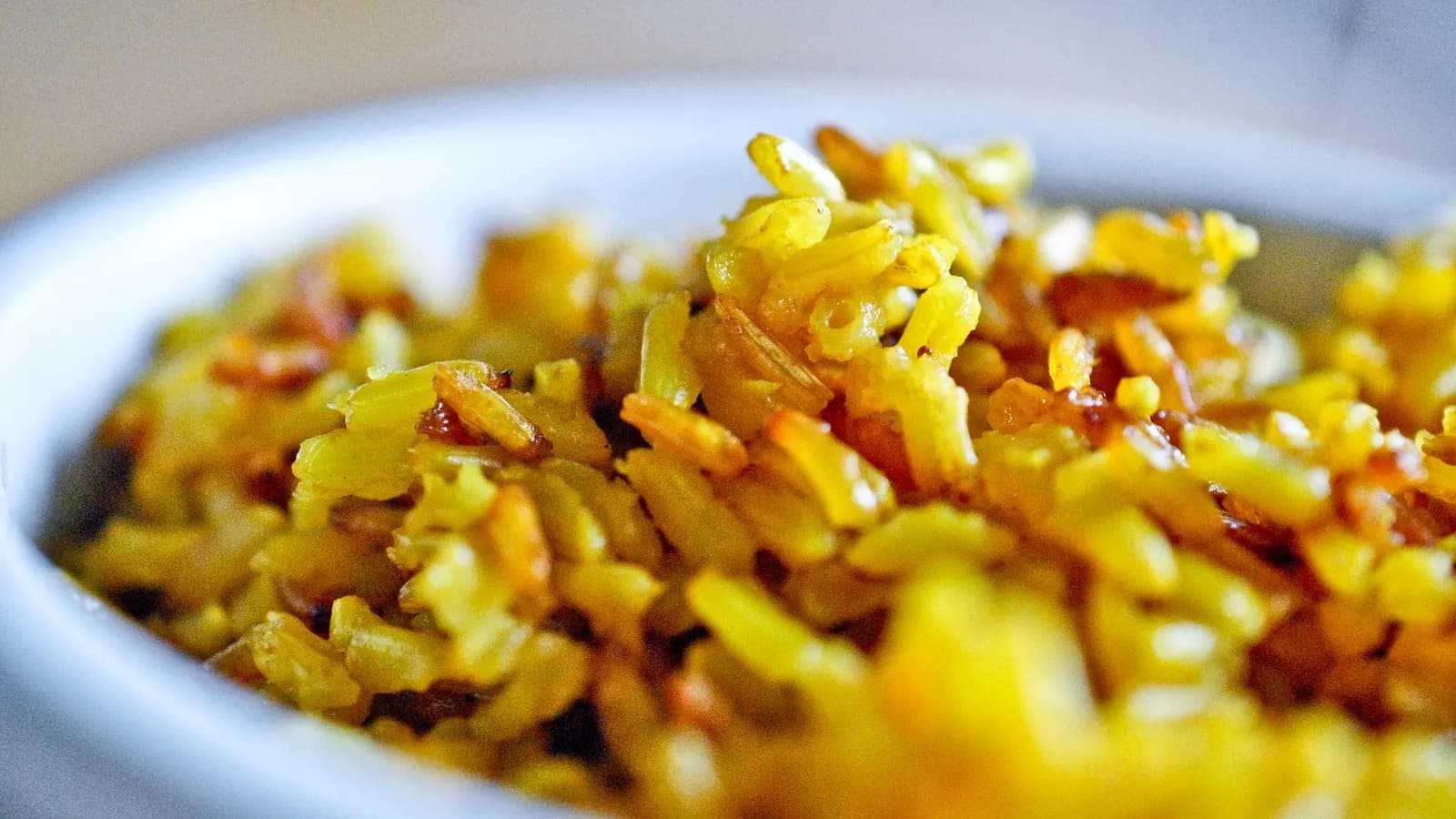
Rice is the centre of the plate across most of this region and most of Asia. It is what a meal is served on, what guests are offered, and what a family eats together. Dietary advice that begins with give up rice is not advice, it is a way of ending the conversation.
The useful version accepts the rice and changes everything around it. Four adjustments, each of which is easier than abstinence and which together do considerably more.
Does the type of rice actually matter?
Yes, more than most people expect, and the reason is starch chemistry rather than marketing.
Rice starch comes in two forms. Amylopectin is highly branched and is broken down quickly by digestive enzymes. Amylose is a straighter chain that resists digestion for longer. The higher the amylose content, the more slowly the rice releases its glucose.
This is why long-grain basmati generally sits lower on the glycaemic index than sticky short-grain or jasmine varieties. It is not a health-food claim about basmati, it is a structural property of the grain. Parboiled rice, where the grain is partially steamed in the husk before milling, also tends to score lower, because the process alters the starch structure.
Brown rice keeps its bran, which brings fibre and slows things further. It is genuinely better on paper. It is also, in many households, refused outright, which is worth acknowledging rather than pretending otherwise. Basmati that gets eaten beats brown rice that gets scraped into the bin.
Does cooling rice really change it?
It does, and the mechanism is real, though the effect is usually smaller than the internet suggests.
When cooked starch cools, some of it recrystallises into a form called resistant starch, which your small intestine cannot digest. It travels to the colon and is fermented by gut bacteria instead of being absorbed as glucose. Reheating does not fully undo this.
Practically, this means rice cooked the day before, refrigerated, and reheated delivers somewhat less available carbohydrate than the same rice eaten fresh. It is a modest improvement rather than a transformation, and it costs nothing, which makes it worth doing but not worth relying on.
One safety note that matters more than the glucose benefit: cooked rice must be cooled quickly and refrigerated promptly, because rice left at room temperature is a well-known cause of food poisoning.
What should go on the plate instead?
Not a replacement for rice, in most cases. Less rice, and more of everything else.
- Halve the rice, double the vegetables. The single most effective change, and it requires no new ingredients. The plate looks full, the carbohydrate load falls by half.
- Add pulses to the rice itself. Lentils, chickpeas or beans mixed through add fibre and protein and displace some of the starch. This is already the structure of many traditional dishes, which were often better designed than what replaced them.
- Use cauliflower rice as a partial substitute, not a total one. A half-and-half mix is tolerated far better than a full swap, and delivers most of the benefit. A plate of pure cauliflower presented as rice tends to be eaten once.
- Consider bulgur, freekeh or barley. All are traditional in the wider region, all carry more fibre than white rice, and none of them require anybody to pretend a vegetable is a grain.
What about what goes with it?
This is where the largest and least-known gain sits.
Protein, fat, acid and fibre eaten alongside carbohydrate all slow gastric emptying and blunt the glucose peak. Rice with grilled meat, salad and yoghurt produces a very different curve from the same rice eaten largely alone.
The order matters too. Eating the salad and the protein first, then the rice, produces a measurably lower post-meal glucose than the reverse, an effect our piece on food order covers with the trial data. Adding acid, such as a squeeze of lemon or a yoghurt-based side, slows it further.
And a short walk afterwards does more than any of the above, because contracting muscle takes up glucose without needing insulin at all.
Is there a simple rule?
One that survives most kitchens: a quarter of the plate is rice, a quarter is protein, half is vegetables, and the rice is basmati or parboiled, cooked in advance where convenient.
Nobody has been told to give anything up. The meal remains recognisable, which is the only version of dietary advice that is still being followed a year later. Given how much diabetes there is in this region, advice that survives contact with a real family table is worth more than advice that is technically optimal and universally abandoned.
Published in The Outspoken Digest
Editorial desk
Outspoken Digest Nutrition DeskDiet, food science and the evidence behind claims about what we eat.
Newsletter
The Digest, in your inbox
One edition, sent when it is ready. No noise, and your address is never passed on.
Read Next
More Nutrition →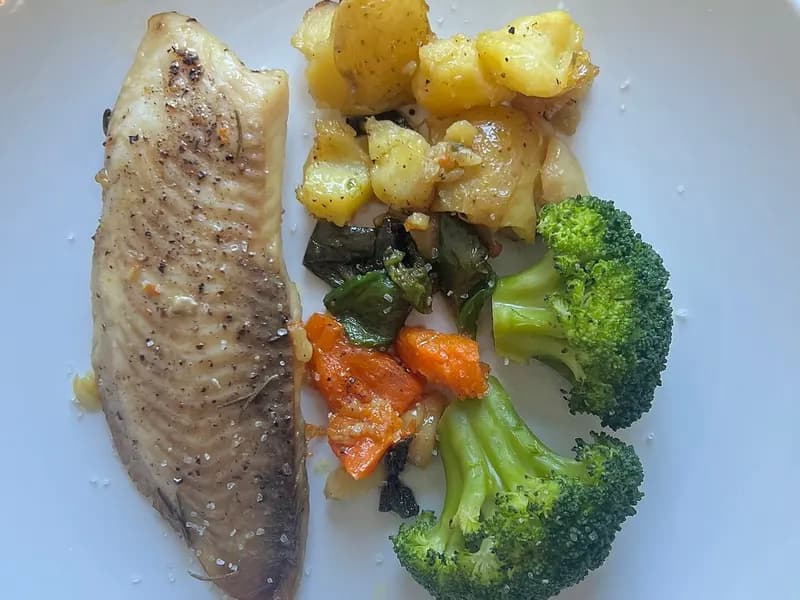
Small Pilot Trial Finds Meals or an App Slowed Weight Regain After People Stopped GLP-1 Drugs
Oct 15, 2026/2 min read
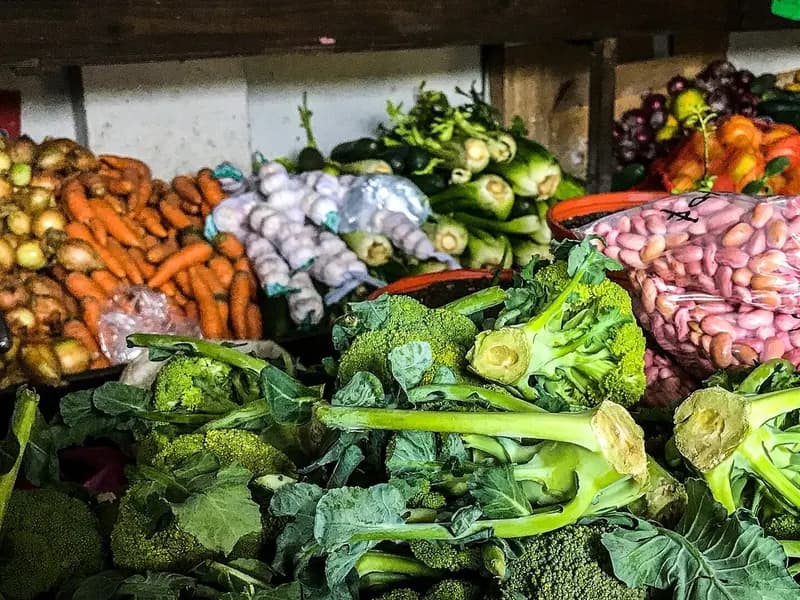
Potassium-Rich DASH Diet Did Not Raise Blood Potassium to Unsafe Levels in Adults on Blood Pressure Drugs
Oct 13, 2026/2 min read
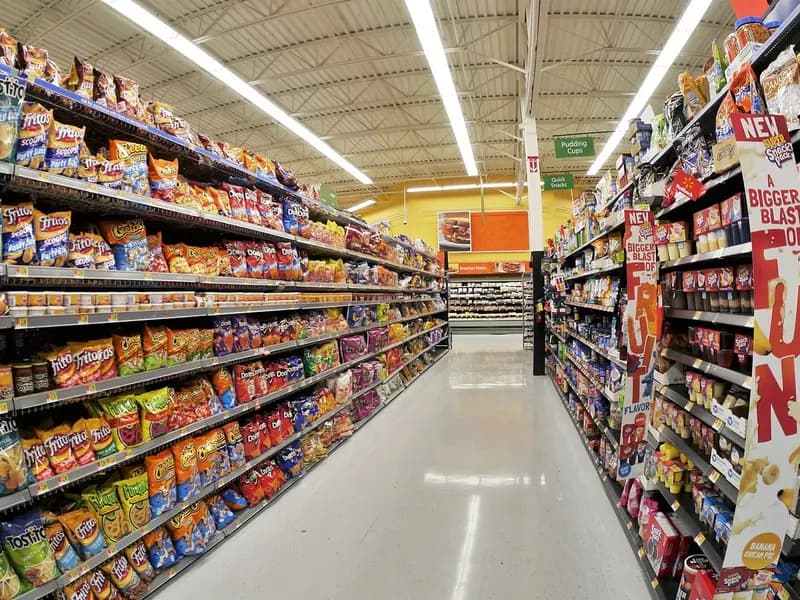
Matched for Calories and Macronutrients, an Ultra-Processed Meal Still Drew a Bigger Insulin Response in a Small Trial
Oct 9, 2026/3 min read
A Study of 371,000 Americans Found Whole Fruit, Not Juice, Is Linked to Better Heart Health
Oct 1, 2026/2 min read