Sattvic Cooking Removes Onion and Garlic, Which Is Harder Than It Sounds and Not in the Gita
A yogic kitchen builds savoury depth without alliums. The technique is real and worth learning, but the common claim that the Bhagavad Gita bans onion and garlic does not survive reading chapter seventeen.
Friday, September 4, 2026/4 min read
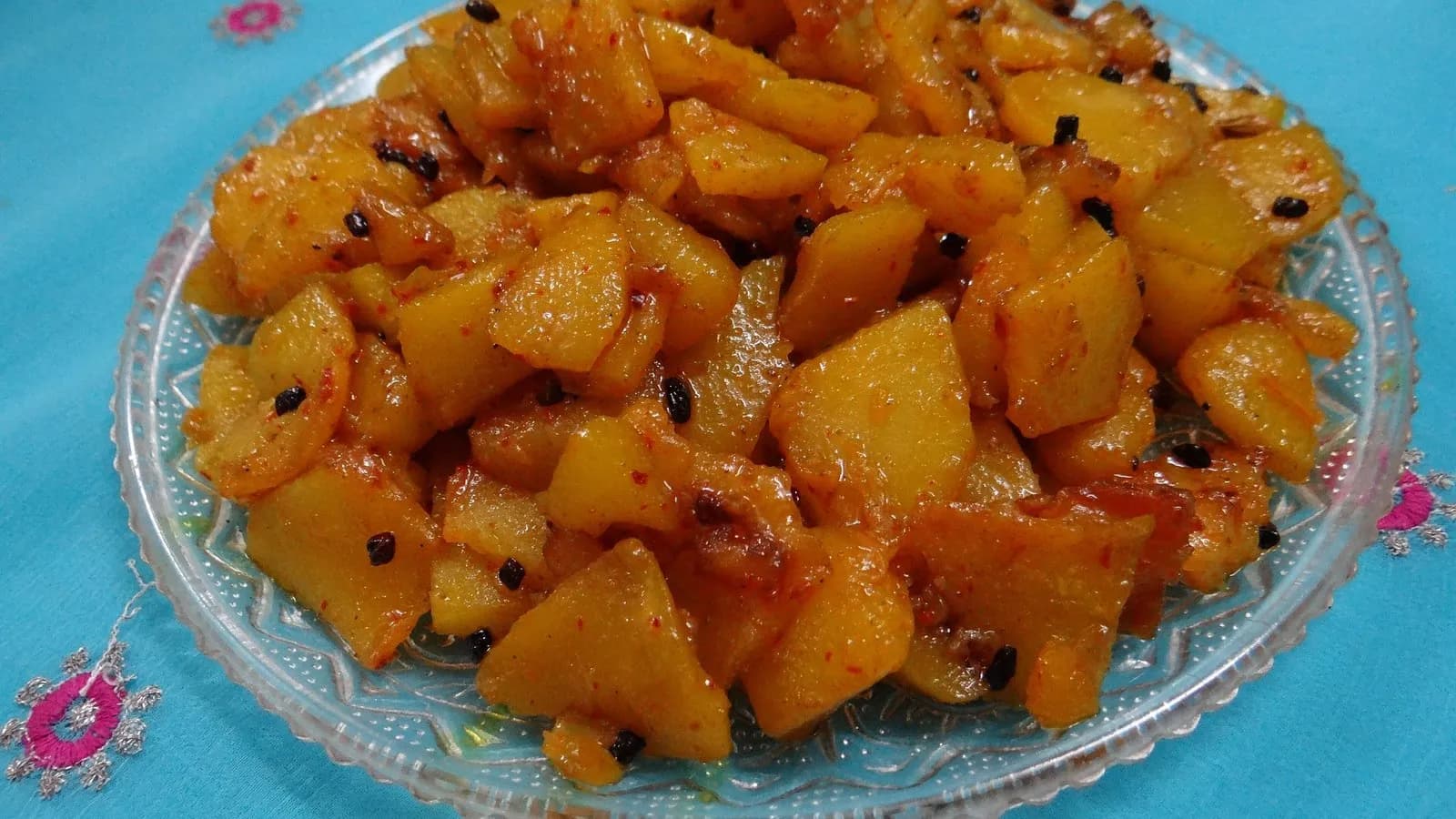
The defining constraint of sattvic cooking is not vegetarianism. Plenty of Indian food is vegetarian. It is the absence of onion and garlic, and once you take those away you have removed the foundation that most savoury cooking on earth is built on.
Learning to work without them is a genuine culinary skill, and it produces food that tastes distinctly different rather than merely diminished. It is worth knowing how it is done, and it is also worth being accurate about where the rule comes from, because the usual explanation is wrong.
What the tradition says, precisely
The framework is the three gunas: sattva, associated with clarity and balance; rajas, with activity and restlessness; and tamas, with heaviness and inertia. Food is held to carry these qualities and to transmit them to the person eating.
The Bhagavad Gita takes this up in chapter seventeen, verses eight to ten. It is worth reading what it actually says. Sattvic foods are described as those that promote long life, vitality, strength and contentment, and are characterised as juicy, wholesome and agreeable. Rajasic foods are described by taste and sensation: excessively bitter, sour, salty, hot, pungent, dry and burning. Tamasic food is stale, insipid, putrid, left over and unclean.
Notice what is missing. The Gita classifies by quality and condition. It does not name onion. It does not name garlic. The specific prohibition on alliums comes from later material, from Ayurvedic and Puranic sources and from Vaishnava and monastic practice, where onion and garlic are held to be heating and stimulating in a way that unsettles the mind and disturbs meditation. Different traditions classify them differently, some as rajasic and some as tamasic, which is itself a clue that this is developed practice rather than a single scriptural instruction.
That does not make the rule illegitimate. Living traditions develop. It does mean that anyone telling you the Gita forbids garlic has not checked.
What replaces the alliums
Four things, doing four different parts of the job.
Asafoetida is the direct substitute, and it is genuinely remarkable. The resin contains sulphur compounds related to those in the allium family, which is why a pinch bloomed in hot fat reads unmistakably as onion and garlic to the back of the palate. It is the single ingredient that makes allium free cooking work.
Ginger provides the pungency and heat that garlic would have brought. Use more than you think, grated to a pulp rather than chopped.
Tomato, or tamarind, or dried mango powder, supplies the acidity and glutamate that softened onions contribute. Slow cooked tomato in particular does a great deal of the sweet savoury work.
And fat plus time do the rest. Onion contributes sweetness through long browning, and without it you have to build depth by frying spices properly and cooking the base longer than feels necessary.
The asafoetida problem nobody mentions
Pure asafoetida resin is too strong and too sticky to use directly, so almost all powdered hing is compounded with a carrier. In the dominant commercial brands that carrier is wheat flour, often the large majority of the product by weight, and the label does not always say so plainly.
For anyone with coeliac disease this is a real hazard hidden inside a daily ingredient. Buy asafoetida explicitly labelled gluten free, which uses rice flour or maize starch, or omit it.
The recipe: sattvic vegetable curry
For four.
- 3 tbsp ghee, or coconut oil to keep it vegan
- 1 tsp cumin seeds
- 1/2 tsp black mustard seeds
- Generous 1/4 tsp asafoetida
- 4cm ginger, grated
- 1 green chilli, slit, optional
- 1 tsp ground coriander
- 1/2 tsp ground turmeric
- 1/2 tsp garam masala, added late
- 3 ripe tomatoes, grated, or 250g tinned
- 500g mixed vegetables: pumpkin, green beans, carrot, peas, potato
- 200ml coconut milk or 100g whisked yoghurt
- Salt, and fresh coriander to finish
Warm the ghee, add cumin and mustard seeds and wait for the mustard to pop. Take the pan off the heat for three seconds, add the asafoetida, and return it. Asafoetida burns almost instantly in fat at full heat and becomes acrid, which is why most people who dislike it have only ever had it burnt.
Add ginger and chilli, fry 30 seconds, then the ground coriander and turmeric for another 20. Add the tomato and cook it down hard, five to eight minutes, until the fat separates and pools at the edges. This step is the whole dish. Rushing it is where allium free curries taste thin.
Add the vegetables, densest first, a splash of water, and simmer covered until tender. Stir in the coconut milk, warm through without boiling, then the garam masala and salt off the heat. If using yoghurt, take the pan off the heat entirely and whisk it in, or it will split.
What to eat it with
Rice, and takra, which is the classical accompaniment. Both are in today's other recipes: the buttermilk and, for the one pot version of the same sensibility, kitchari.
A note on consistency. Fermented foods are widely classed as rajasic, which puts yoghurt in an ambiguous position, since fresh yoghurt is treated as sattvic in most texts while sour or old yoghurt is not. Traditions differ. If you are cooking to a rule, find out whose rule you are cooking to, because there is no single authority here and anyone who tells you otherwise is flattening several centuries of disagreement.
Published in The Outspoken Digest
Editorial desk
Outspoken Digest Food DeskCooking, ingredients, restaurants and the economics of what ends up on the table.
Newsletter
The Digest, in your inbox
One edition, sent when it is ready. No noise, and your address is never passed on.
Read Next
More Recipes →
Swangy Tamarind Glazed Chicken Wings for the Flavour Replacing Swicy on Fast Food Menus
Sep 29, 2026/3 min read

Baked Apple Cider Doughnuts for a Cider Season That Peaked Earlier Than the Calendar Says
Sep 29, 2026/3 min read
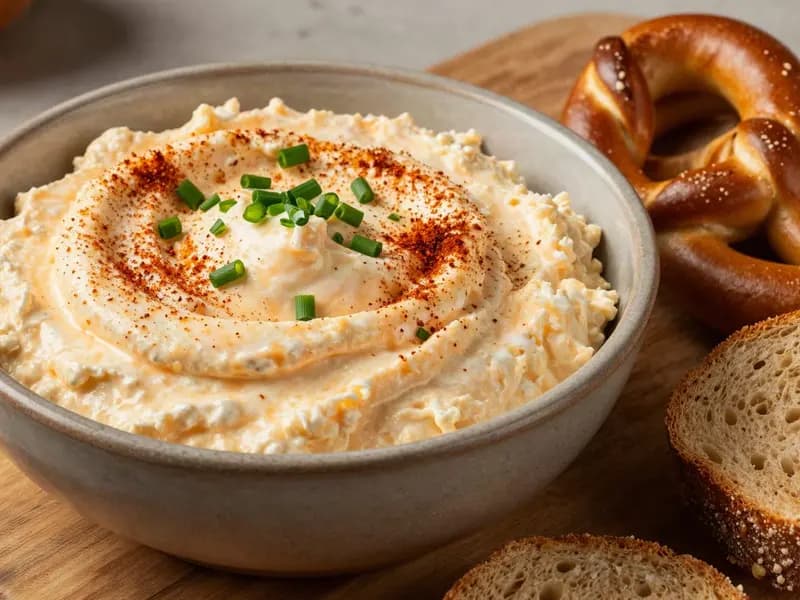
An Obatzda Bavarian Beer Cheese Dip for the Final Stretch of Oktoberfest 2026
Sep 29, 2026/3 min read