Silken Tofu With Ginger and Soy Takes Four Minutes and Requires No Cooking At All
A block of silken tofu, hot oil poured over aromatics, soy and vinegar. It is a standard of Chinese home cooking, it is genuinely fast, and it demonstrates the one technique that makes cold dishes taste cooked.
Friday, September 4, 2026/3 min read
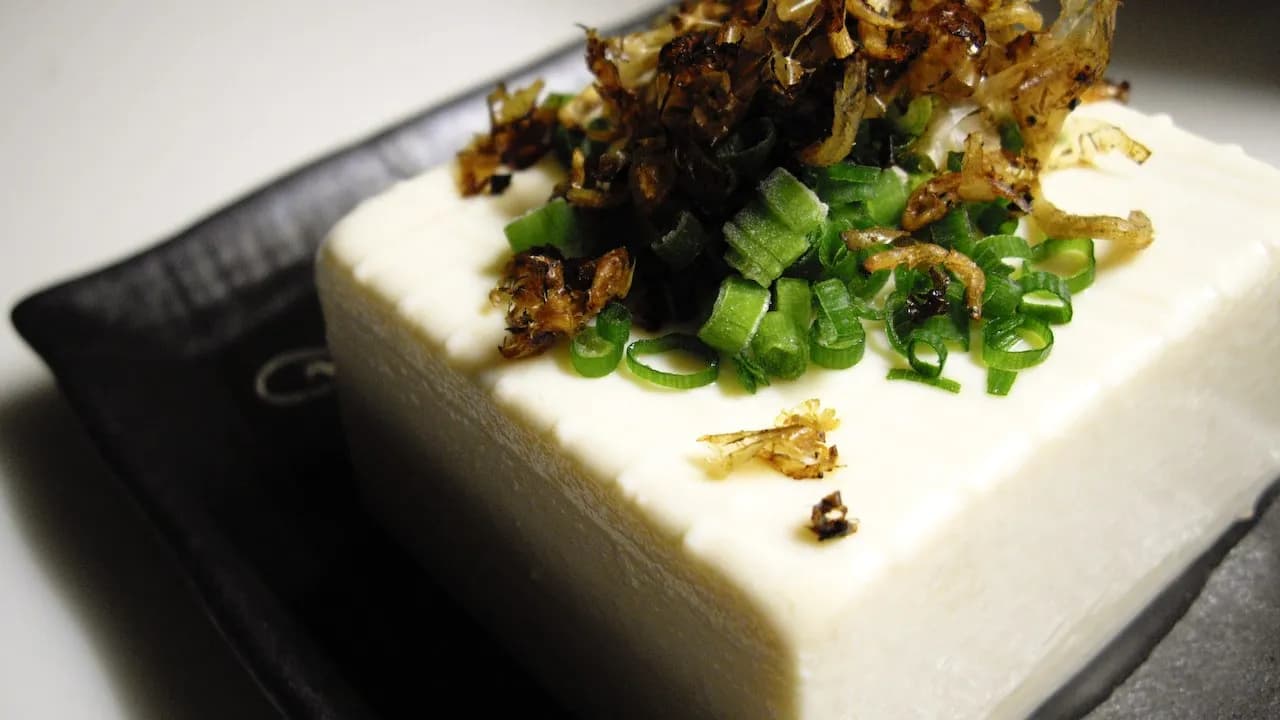
There is a category of dish that people who cook a great deal keep in reserve for the evenings when they will not cook. This is one of them, and unlike most of that category it is not a compromise.
Silken tofu, cold from the fridge, topped with aromatics and finished with hot oil poured over the top. Four minutes, one pan, and the only heat involved is used on three tablespoons of oil.
Silken is not firm, and the difference is not optional
Tofu is soy milk set with a coagulant. Firm tofu is curdled, pressed and drained, which is why it holds together and takes searing. Silken tofu is set in its final container without pressing, so it retains all its water and has the texture of a very delicate custard.
For this dish you need silken. Firm tofu will taste of nothing and feel like a rubber. Look for the shelf-stable cartons, often labelled soft or silken, rather than the water-packed blocks in the chiller.
What you need
For two as a starter, one as a light meal.
- 1 block silken tofu, about 300g
- 3 spring onions, sliced very thin
- 3cm ginger, grated to a pulp
- 2 cloves garlic, grated
- 1 tbsp chilli flakes, Sichuan or Korean gochugaru
- 3 tbsp neutral oil with a high smoke point
- 2 tbsp light soy sauce
- 1 tbsp black vinegar, or rice vinegar
- 1 tsp sugar
- 1 tsp toasted sesame oil
- Coriander, and toasted sesame seeds
The method
Drain the tofu carefully and slide it onto a plate with a lip. Do not try to lift it with your hands; invert the carton and let gravity do it. Cut it into thick slices in place, or leave it whole.
Tip the plate and pour off the water that collects, which will otherwise dilute the sauce.
Mix the soy, vinegar, sugar and sesame oil and spoon it around the tofu rather than over it, so the top stays clean.
Pile the ginger, garlic, chilli flakes and half the spring onion on top of the block.
Heat the neutral oil in a small pan until it shimmers and a fleck of spring onion sizzles hard on contact, around 180C. Pour it directly over the aromatics. It will hiss and foam and the smell will change instantly.
Scatter the rest of the spring onion, the coriander and the sesame seeds, and eat straight away with rice.
Why hot oil instead of frying
Because it cooks the aromatics without cooking the tofu, and because of what happens to raw garlic and ginger at that temperature.
Garlic and ginger contain harsh sulphur and pungent compounds that are unpleasant raw in quantity. A brief hit of very hot oil transforms them in seconds, taking off the raw edge and pulling their aroma into the fat, which then carries it across the whole dish. Fried separately and added, they would be milder and duller. Left raw, they would be aggressive.
The oil also blooms the chilli. Dried chilli flakes are largely inert until they meet hot fat, which is why chilli oil exists as a category.
The temperature matters in both directions. Too cool and it will not sizzle, leaving everything raw. Too hot and the garlic burns black and bitter in about two seconds. If the oil is smoking heavily, take it off the heat and count to ten before pouring.
Notes
Black vinegar, Chinkiang, is worth buying. It is malty and slightly sweet, closer to balsamic than to rice vinegar, and it is what makes this taste like the version served in restaurants.
The dish is naturally vegan. Check the chilli flakes only if you are using a prepared crisp chilli condiment, some of which contain dried shrimp.
The same pour-over technique works on blanched greens, on cold noodles and on steamed aubergine. Our other quick soy dish is in the baked tofu recipe, and the argument for treating plant foods as complete dishes rather than substitutes runs through the tempeh piece.
Published in The Outspoken Digest
Editorial desk
Outspoken Digest Food DeskCooking, ingredients, restaurants and the economics of what ends up on the table.
Newsletter
The Digest, in your inbox
One edition, sent when it is ready. No noise, and your address is never passed on.
Read Next
More Recipes →
Swangy Tamarind Glazed Chicken Wings for the Flavour Replacing Swicy on Fast Food Menus
Sep 29, 2026/3 min read

Baked Apple Cider Doughnuts for a Cider Season That Peaked Earlier Than the Calendar Says
Sep 29, 2026/3 min read
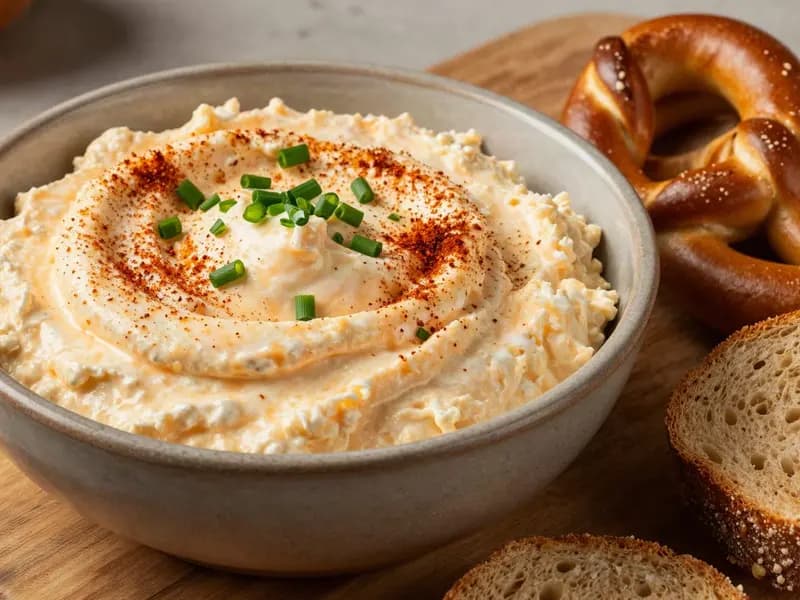
An Obatzda Bavarian Beer Cheese Dip for the Final Stretch of Oktoberfest 2026
Sep 29, 2026/3 min read