Spanakopita Done Properly: Squeeze the Spinach, Buy Real Feta, and Stop Being Afraid of Filo
The Greek spinach and feta pie fails for two reasons: wet spinach and cheap cheese. Fix both and the filo takes care of itself. A full-tray recipe with dill, spring onions and a properly crisp top, plus the rules for handling the pastry.
Sunday, September 6, 2026/3 min read
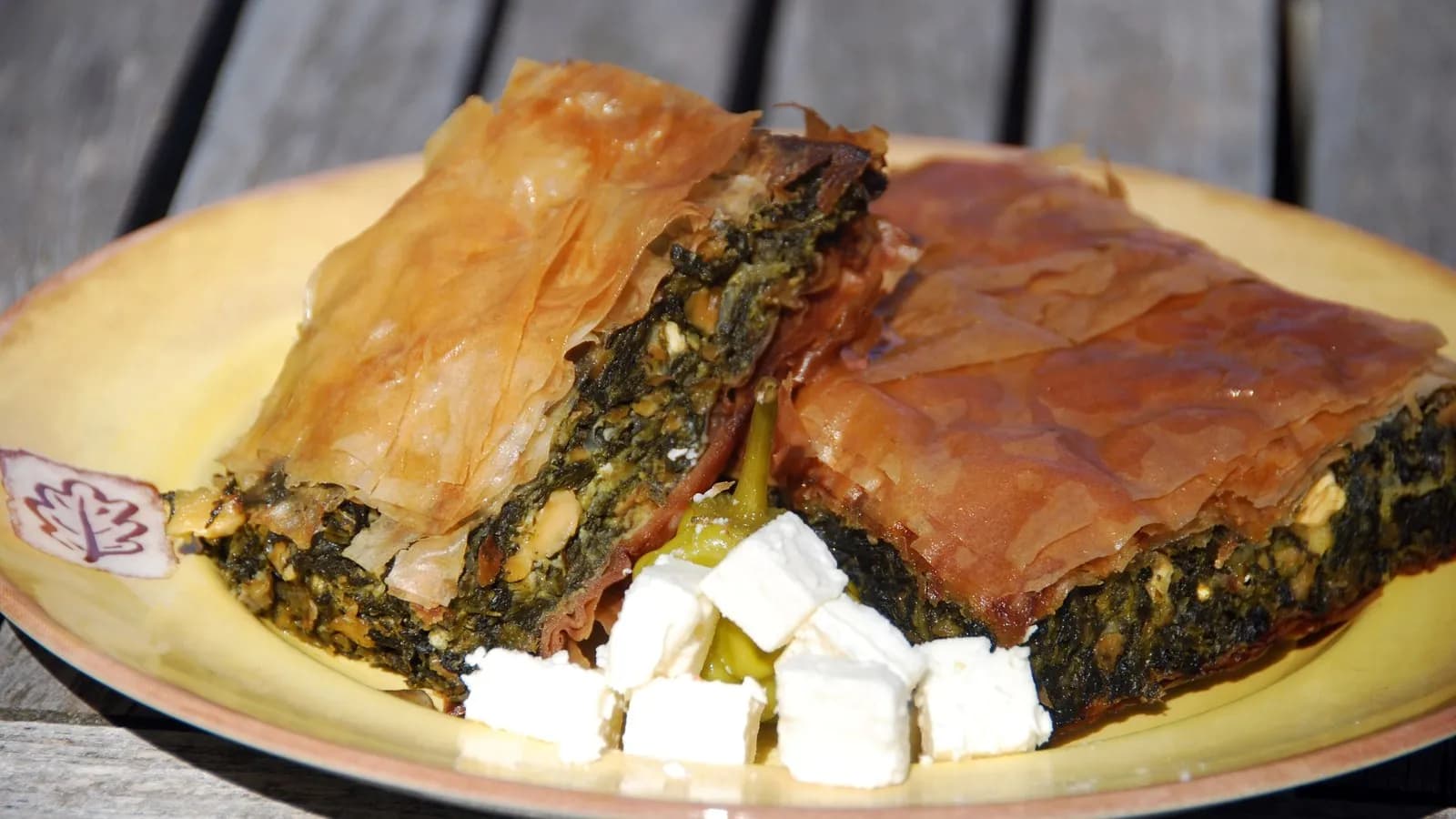
A good spanakopita is a stack of shattering, oil-crisp pastry around a filling that is mostly green, savoury with cheese and sharp with herbs. A bad one is soggy on the bottom, bland in the middle and tastes of nothing but salt. The difference is almost never the pastry, which people fear, and almost always the filling, which they rush.
The two things that matter
Spinach is nine parts water. A kilogram of it, wilted, yields a fistful of leaves and a cup of green liquid, and if that liquid goes into the pie it steams the pastry from inside and turns the base to paper. It must be squeezed, hard, in a clean tea towel, until it stops giving, and then squeezed again. This is the step every failed spanakopita skipped.
The cheese is feta, and feta is a protected name in the European Union: it must be made in specified regions of Greece from sheep's milk, or sheep's milk with up to thirty per cent goat's, and brined for at least three months. The white cheese sold in blocks labelled Greek-style or salad cheese is cow's milk, is milder, and turns to rubber in the oven. Buy feta in brine, taste it, and if it does not make you wince slightly it is not salty enough for the job.
Ingredients, for a 30 by 40 cm tray
- 1 kg fresh spinach, or 500 g frozen leaf spinach, thawed
- 1 bunch spring onions, sliced, or 1 leek, finely chopped
- 1 large onion, finely chopped
- A large bunch of dill, chopped
- A small bunch of flat-leaf parsley, chopped
- A few leaves of mint, chopped, optional
- 400 g feta, crumbled
- 100 g ricotta or anthotyro, optional, for a softer filling
- 3 eggs, beaten
- Nutmeg, black pepper, and salt only after tasting
- 1 packet filo pastry, about 400 g, thawed overnight in the fridge if frozen
- 150 ml olive oil, or half oil and half melted butter
- Sesame or nigella seeds for the top, optional
Method
- If using fresh spinach, wash it, put it in a large dry pan over high heat in batches and turn until it collapses, about two minutes a batch. Tip into a colander. If using frozen, simply thaw. Either way, when cool enough, squeeze in a tea towel until dry. Chop roughly.
- Soften the onion in two tablespoons of oil over medium heat for ten minutes without colouring. Add the spring onions or leek and cook two minutes more. Cool.
- Combine the spinach, onions, herbs, feta, ricotta if using, eggs, a grating of nutmeg and a generous amount of pepper. Taste before salting; the feta may have done it for you.
- Heat the oven to 180°C. Brush the tray with oil. Unroll the filo and cover it with a barely damp cloth; it dries and cracks within minutes in air.
- Lay a sheet in the tray, letting it overhang, and brush lightly with oil. Repeat with half the sheets, oiling each, and rotating them slightly so the overhang goes all round.
- Spread the filling evenly. Fold the overhang in over it. Lay the remaining sheets on top one at a time, oiling each, and tuck the edges down the sides.
- Brush the top well, sprinkle with seeds if using, and with a sharp knife score the top layers only into portions; this stops the pastry shattering when you cut it later. Flick a little water over the top from your fingers, which helps it crisp without curling.
- Bake for forty-five to fifty minutes until deep gold and audibly crisp. Rest fifteen minutes before cutting along the scored lines.
Notes
Filo's reputation is undeserved. It tears, and torn sheets go in the middle layers where nobody sees them. It dries, and the damp cloth solves that. It needs fat between the layers to crisp, and the quantity of oil here is what that takes. A pie made with four sheets top and bottom will be thin and crisp; one with eight will be substantial and layered. Both are correct.
Spanakopita is eaten hot, warm or at room temperature, and it is a standard component of a Greek table alongside the beans in our gigantes plaki recipe. It reheats well in a hot oven for ten minutes and badly in a microwave. The same filling without the eggs and cheese, cooked with rice, is spanakorizo, and the same pastry technique with a filling of cheese alone is tiropita. Once the filo holds no fear, the whole family of Greek pies opens up, and so does the Levantine tradition of layered pastry that our knafeh piece touches on from the sweet side.
Published in The Outspoken Digest
Editorial desk
Outspoken Digest Food DeskCooking, ingredients, restaurants and the economics of what ends up on the table.
Newsletter
The Digest, in your inbox
One edition, sent when it is ready. No noise, and your address is never passed on.
Read Next
More Recipes →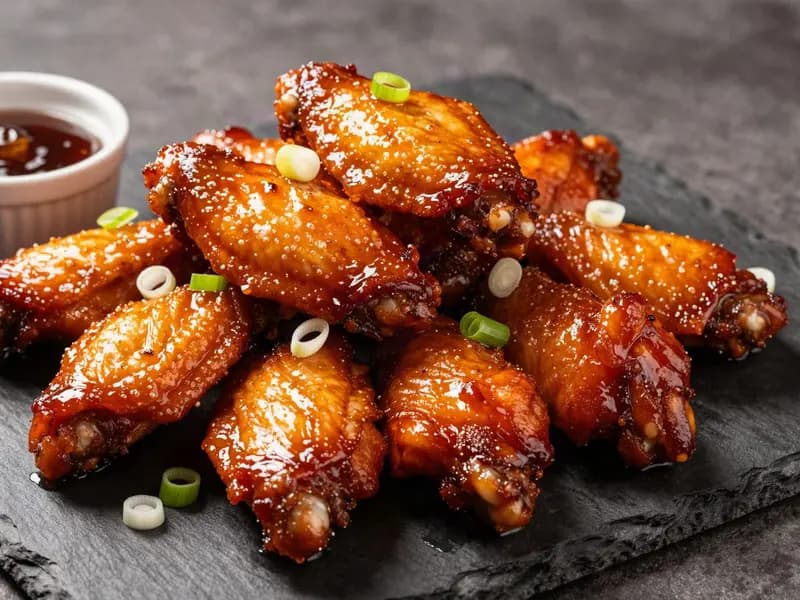
Swangy Tamarind Glazed Chicken Wings for the Flavour Replacing Swicy on Fast Food Menus
Sep 29, 2026/3 min read
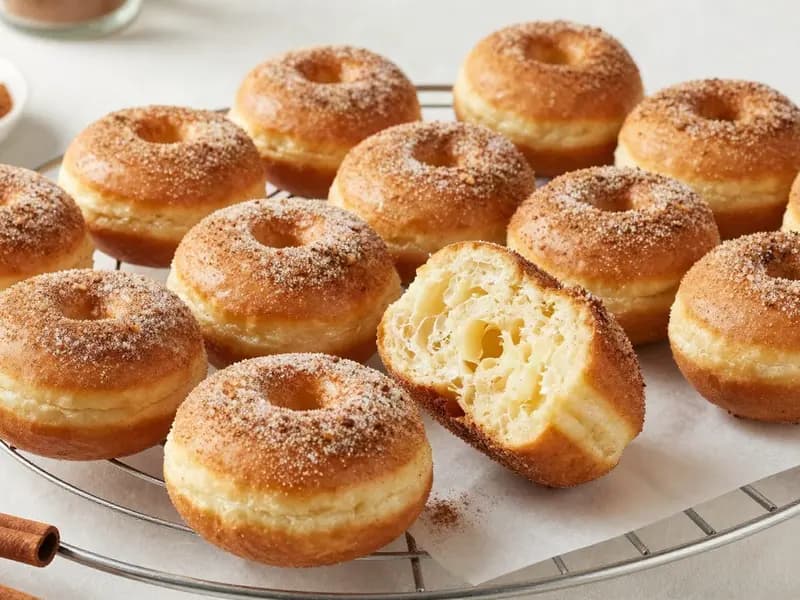
Baked Apple Cider Doughnuts for a Cider Season That Peaked Earlier Than the Calendar Says
Sep 29, 2026/3 min read
An Obatzda Bavarian Beer Cheese Dip for the Final Stretch of Oktoberfest 2026
Sep 29, 2026/3 min read