A Strong El Niño Is Building: The Time to Prepare Is Before the Weather Arrives
WMO forecasts point to a rapidly strengthening El Niño, raising the odds of disruptive heat, drought and heavy rain. Preparedness now can reduce damage later.
Friday, July 31, 2026/2 min read
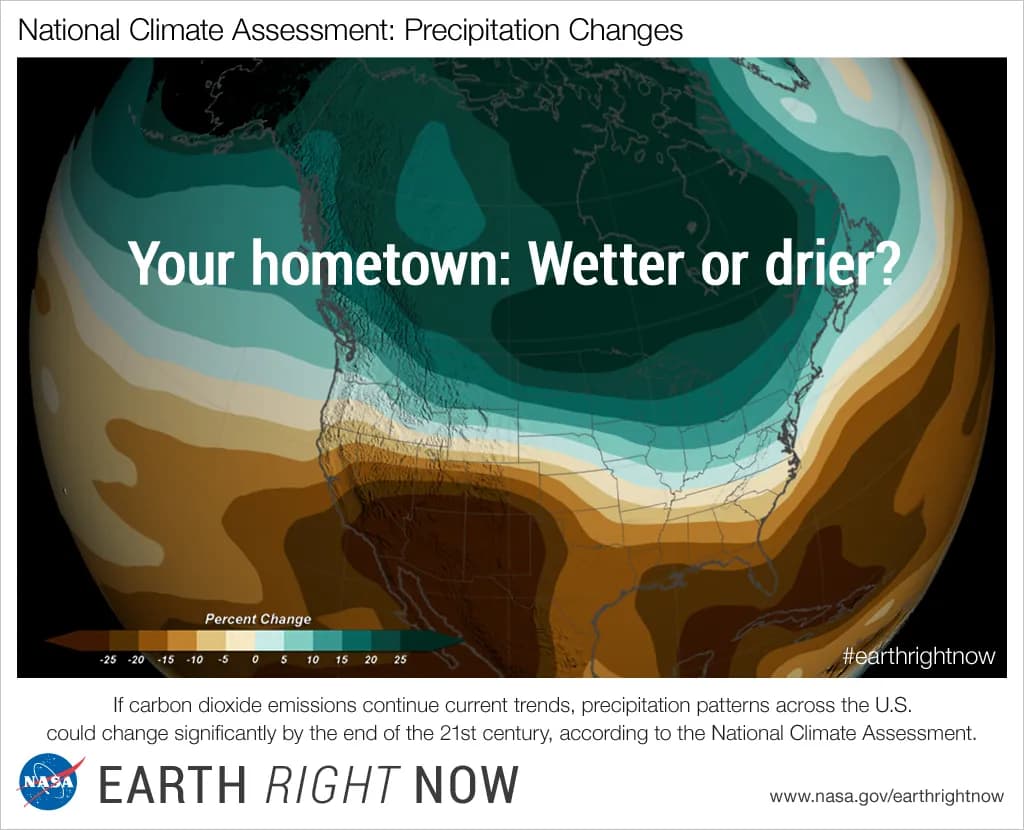
El Niño is not a single storm and it does not produce the same weather everywhere. It is a large shift in tropical Pacific Ocean temperatures that changes atmospheric circulation around the world. The latest warning matters because the World Meteorological Organization says the event is strengthening rapidly, increasing the likelihood of heatwaves, drought and intense rainfall across different regions.
The WMO forecast points to strong El Niño conditions during July through September 2026. A forecast changes probabilities, not certainties. Local impacts depend on geography, season and other climate patterns, but governments, farms, hospitals and households gain a valuable advantage when they prepare before conditions become extreme.
Why ocean warming changes weather far away
During El Niño, warmer-than-normal water in the central and eastern equatorial Pacific alters where heat and moisture enter the atmosphere. That can shift jet streams and rainfall belts. Some places become wetter, others drier, and heat can intensify against the background of long-term climate warming.
The WMO's seasonal updates combine forecasts from multiple global centers. They are most useful for planning at regional scale: managing reservoirs, preparing health services, adjusting planting decisions and reviewing emergency stocks. They are not precise day-by-day predictions for a neighborhood.
The first risk is often heat
Heat harms health before it looks dramatic on camera. Older adults, young children, outdoor workers, pregnant people and those with heart, lung or kidney conditions face higher risk. Cities can reduce harm through early warnings, cooling spaces, shaded transport points and work-rest rules. Families can identify the coolest room, check on vulnerable neighbors and understand signs of heat illness.
Heat exhaustion can include heavy sweating, weakness, dizziness and nausea. Confusion, collapse or very high body temperature may indicate heat stroke, a medical emergency. Local health guidance should determine the response, but delay is dangerous.
Drought and flood planning belong together
El Niño can reduce rainfall in one region while increasing it elsewhere. Drought planning means monitoring water supplies, protecting livestock, choosing appropriate crops and reducing avoidable demand early. Flood planning means clearing drainage, mapping evacuation routes, securing medicines and documents, and never driving through moving water.
A sudden downpour after a dry period can be especially destructive because hard ground absorbs water poorly. Coastal and urban areas also face compound risks when heavy rain meets high tides, poor drainage or intense development.
Food and business impacts can travel
Weather damage in one producing region can affect food prices thousands of kilometers away. Shipping, hydropower, insurance and commodity markets can transmit the shock. Businesses should identify weather-sensitive suppliers and alternative routes now, while public agencies should protect transparent market information and targeted assistance for vulnerable households.
Preparation should be proportionate, not panicked. Readers do not need to predict the exact local outcome to take sensible action. Follow national meteorological services, review home and workplace plans, protect essential medicines from heat or flooding and check insurance exclusions. El Niño is an early-warning story: its greatest value comes from decisions made while the sky still looks ordinary.
Published in The Outspoken Digest
Newsletter
The Digest, in your inbox
One edition, sent when it is ready. No noise, and your address is never passed on.
Read Next
More Latest Trends →
Lapid Says He Does Not Trust Netanyahu Not to Strike Iran Before Israel's 27 October Election
Oct 18, 2026/2 min read
Hormuz Ship Attacks Hit a Weekly Record as Iran Says a Supertanker Struck a Mine
Oct 18, 2026/2 min read
Trump Waives New Russia Sanctions and Tariffs Two Days Before They Were Due, the Second Waiver in Two Weeks
Oct 18, 2026/2 min read

Roughly Half a Million March Across France as Student Anger Over Schools Merges With Fuel Price Fury
Oct 18, 2026/2 min read