Serbia's Aleksandar Vucic Resigned as President to Run for Prime Minister in a Snap Election He Called Himself
Vucic stepped down after nine years in office, ending his term immediately after returning from the UN General Assembly, and will head his party's list for the 25 October vote he called after months of street protests.
Saturday, September 26, 2026/2 min read
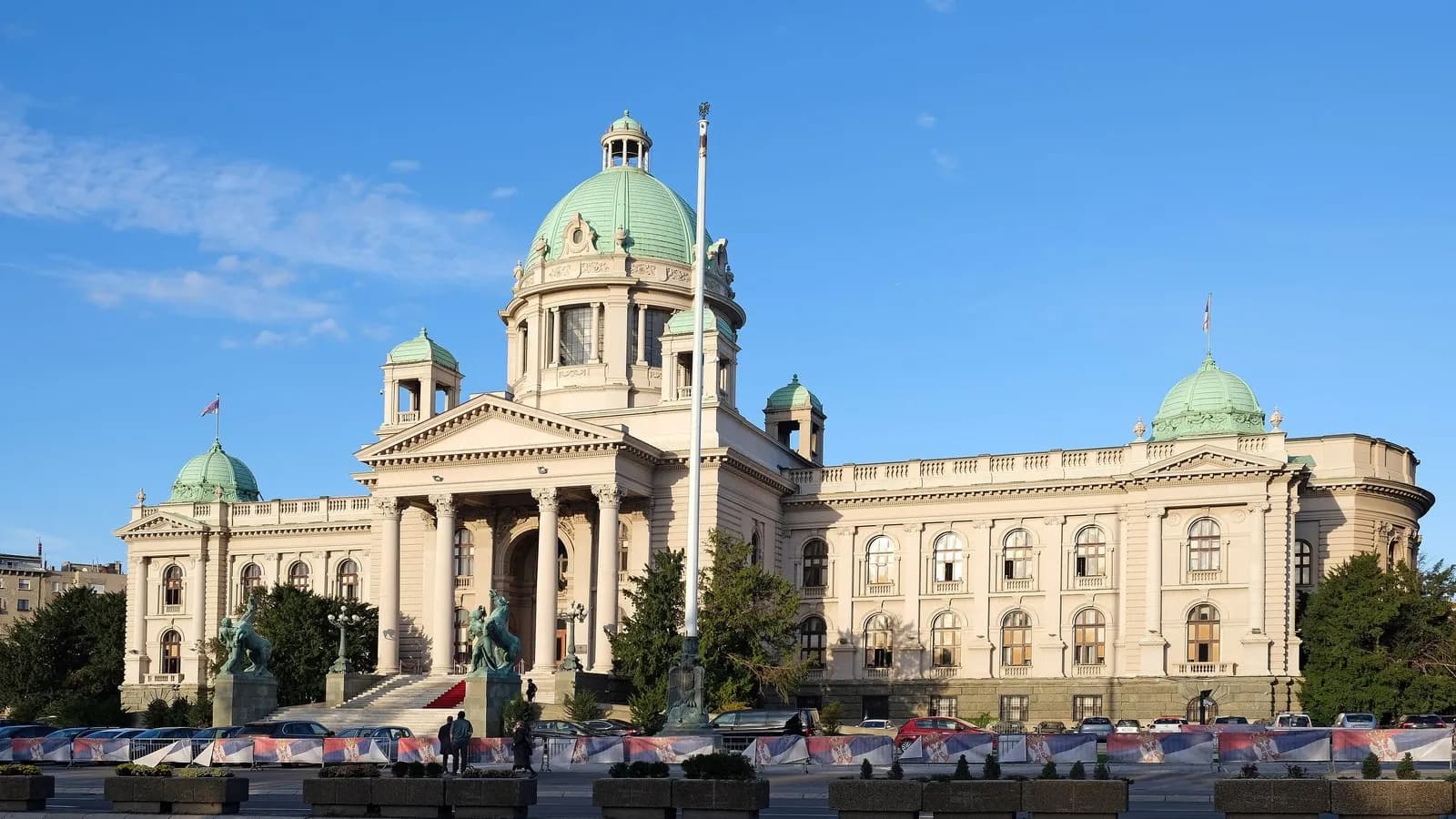
Aleksandar Vucic ended nine years as Serbia's president this week, resigning the office immediately after returning from the United Nations General Assembly in New York in order to run instead for prime minister in a snap parliamentary election he called for 25 October. TASS reported that Vucic had signalled the move weeks in advance, telling reporters in early September that he intended to resign "at the end of September" once the UN session was behind him, and formalising his departure from the presidency days later.
Why he is stepping down to run for a lesser office
The manoeuvre looks unusual on paper, a sitting head of state giving up the presidency to seek a parliamentary seat and the premiership instead, but it reflects the mechanics of Serbian politics rather than a demotion. Vucic dissolved the National Assembly on 9 September and called the October election after a year of sustained street protests, triggered originally by a fatal railway station canopy collapse in Novi Sad and sustained since by broader anger at his government. Armenpress's coverage notes that Milos Vucevic, leader of the ruling Serbian Progressive Party, confirmed Vucic would head the party's electoral list and stand as its candidate for prime minister, a role that under Serbia's constitution he could not simultaneously hold alongside the presidency.
A campaign, not a retreat
Vucic has framed the resignation as a return to frontline politics rather than a retreat from it, telling supporters he would campaign "as an ordinary citizen" while remaining the party's dominant figure. Critics, including analysts cited in Western European commentary on the move, have characterised the resignation as largely tactical, since Vucic retains control of the party machine and is widely expected to govern in substance regardless of which title he holds after the vote. The opposition, energised by months of demonstrations, has called the snap election a chance to end Progressive Party dominance that has run since 2012, though it enters the campaign fragmented across several blocs.
What happens next
Serbia's parliament remains dissolved until the 25 October vote, with a caretaker government managing state affairs in the interim. Vucic's resignation as president took effect this week, and Serbia's constitution requires a new presidential election within three months of the office falling vacant, meaning voters face the prospect of two national campaigns inside a matter of months. The immediate test is whether the protest movement that forced the snap election can translate street numbers into parliamentary seats against a party that still controls state media, local government machinery and, for now, the timetable itself.
Published in The Outspoken Digest
Editorial desk
Outspoken Digest News DeskReports for The Outspoken Digest across Latest Trends, Sports, Nutrition, Crypto.
Newsletter
The Digest, in your inbox
One edition, sent when it is ready. No noise, and your address is never passed on.
Read Next
More Latest Trends →
Houthi Missile Hits Aramco's Dhahran Headquarters as Saudi Arabia and Yemen's Rebels Trade Strikes
Oct 15, 2026/3 min read
Kimberly Guilfoyle Resigns as US Ambassador to Greece After the White House Asked Her to Go
Oct 15, 2026/2 min read

Two Cargo Ships Sink Near the Strait of Hormuz as Attacks on Shipping Surge
Oct 15, 2026/2 min read
Pope Leo XIV Has Lung Cancer, the Vatican Says, After Surgery to Remove Part of His Right Lung
Oct 15, 2026/2 min read