Warm Minimalism Works When Texture Replaces Clutter
The most livable minimalist rooms are adding grain, woven surfaces, aged metal and imperfect objects without surrendering calm or useful empty space.
Outspoken Digest Editorial Desk
Tuesday, July 28, 2026/2 min read
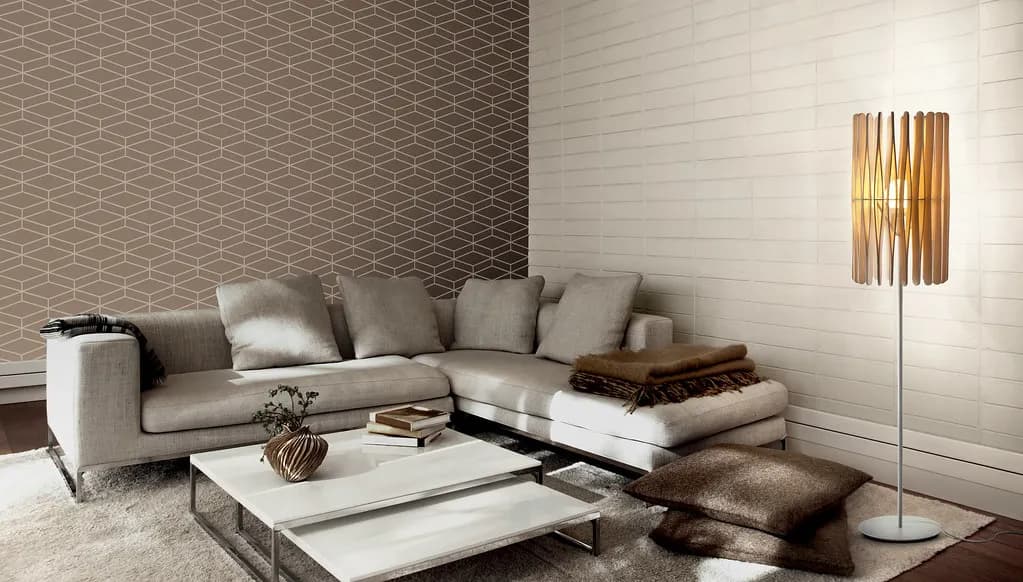
Minimalism earned a reputation for rooms that look expensive and feel unavailable. Warm minimalism keeps the editing and removes the chill. Instead of filling a room with more objects, it asks surfaces to carry more feeling through wood grain, woven fabric, matte plaster, handmade ceramics and light that changes across the day.
Why this is landing now
Houzz: Home Design Trends for 2026 provides the factual starting point. The style reflects a broader move away from anonymous perfection. People want homes that are calm but not generic, especially when the same room supports work, meals and recovery. Natural variation gives the eye something to rest on without multiplying visual noise.
Warm minimalism can become an expensive shopping list of beige objects. Texture is not the same as purchasing a new boucle chair, and neutral color does not guarantee harmony. A room feels warm when materials, light and personal use connect, not when every product matches a trend forecast.
What it looks like in ordinary life
Good design begins with the body and the task: how people move, see, rest, clean and return. A trend earns its place when it improves those ordinary moments.
Edit first. Remove what blocks movement or has no home. Then look for missing contrast: a hard room may need woven fabric; a flat room may need wood grain; a cool room may need warmer light. Keep useful objects visible in small groups and introduce one handmade or aged piece rather than a complete coordinated set.
A compact reader's checklist
- Edit circulation before adding texture.
- Balance hard, soft, smooth and irregular surfaces.
- Choose materials that tolerate the household using them.
What the wider evidence adds
Terrapin Bright Green: 14 Patterns of Biophilic Design adds a second perspective. Design coverage in 2026 repeatedly links richer texture with minimalist forms, particularly in lighting and interiors. Research on biophilic design also supports the human appeal of natural materials and variation, although a pleasing room should not be marketed as medical treatment.
The comparison matters because one dramatic example rarely explains a whole trend. A useful article should leave the reader with a way to test the idea, notice tradeoffs and choose a proportionate next step.
The part worth resisting
Natural materials need maintenance and responsible sourcing. Unsealed wood, delicate stone and pale textiles may not suit every household. Choose finishes for pets, children, humidity and cleaning routines. Warmth comes from fit with daily life, not fragility.
The lasting idea
Begin small enough to observe the result. Keep what improves the real experience and release what only looked convincing in a headline or showroom. Curiosity becomes valuable when it is paired with boundaries, evidence and permission to decide that a trend is not for you.
Published in The Outspoken Digest
Editorial
Outspoken Digest Editorial DeskThe Digest's own desk: the pieces that do not sit in one section.
Newsletter
The Digest, in your inbox
One edition, sent when it is ready. No noise, and your address is never passed on.
Read Next
More Design →
Jaguar Type 01 Arrives as a 1,030hp Electric Grand Tourer With No Rear Window and the Concept's Look Intact
Oct 13, 2026/2 min read

Drew Henry Reset Courreges for Spring 2027 With a Pared-Back Debut at the Palais de Tokyo
Oct 1, 2026/3 min read

Choosing Light Bulbs: Lumens, Kelvin and Colour Rendering Explained, Room by Room
Sep 21, 2026/3 min read