West Nile Cases Are Rising in Europe: What Travelers Should Actually Do
WHO says the risk remains low for most people as cases rise in parts of Europe, but bite prevention and awareness of severe symptoms matter.
Friday, July 31, 2026/2 min read
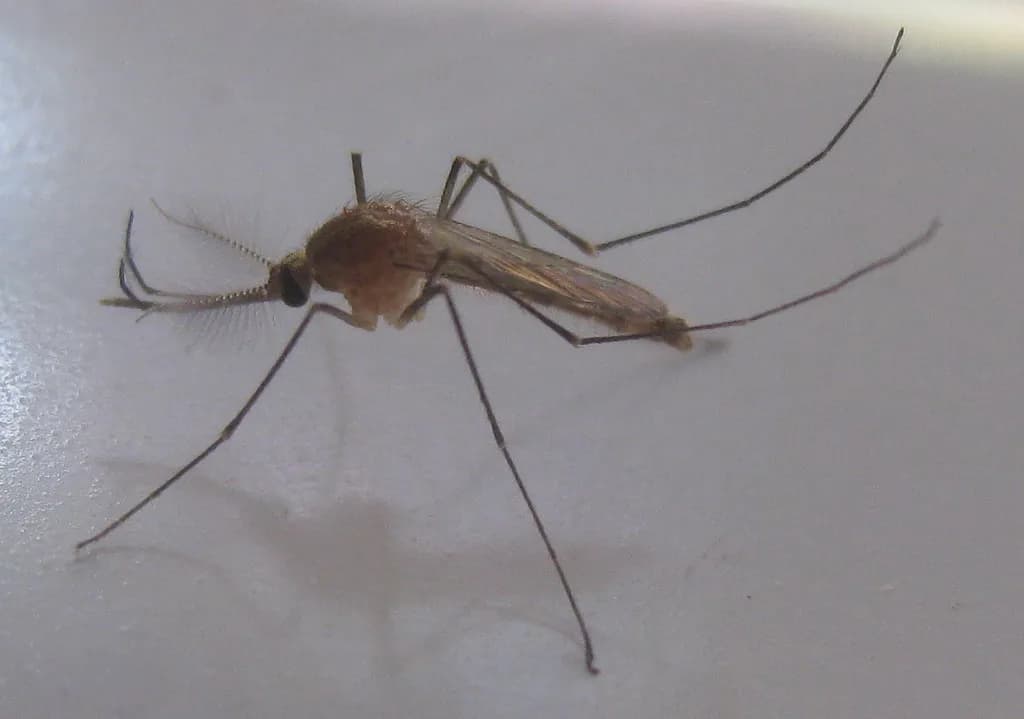
West Nile virus cases are increasing in parts of Europe as the main mosquito season gets under way. That is a reason for sensible prevention, not panic. The World Health Organization says risk remains low for most people, while travelers and residents in affected areas should reduce bites and know the symptoms that require care.
WHO Europe's July 24 update reported 21 confirmed human cases in Greece as of July 22, including 20 neuroinvasive cases, and 21 cases across 17 areas in Italy as of July 15. Locally acquired cases were also reported in North Macedonia, Romania and Spain.
How the virus spreads
Mosquitoes acquire West Nile virus from infected birds and can transmit it to humans and other animals through bites. It does not spread through ordinary contact between people. Most European transmission occurs from late spring through autumn, with activity usually highest between July and September.
Warmer temperatures and longer summers can expand the time and area in which mosquitoes transmit disease. Local surveillance remains important because conditions and case numbers can vary greatly between regions.
Most infections cause no symptoms
WHO says approximately 70% to 80% of infected people develop no symptoms. Those who become ill may experience fever, headache, tiredness, body aches, nausea, vomiting, rash or swollen lymph glands.
Roughly one in 150 infections can become severe and affect the central nervous system. High fever, neck stiffness, disorientation, tremors, convulsions, muscle weakness, paralysis or coma require urgent medical attention. Older adults and people with weakened immune systems face higher risk of severe disease.
Practical bite prevention
- Use an approved insect repellent according to its label.
- Wear light long sleeves and trousers when mosquitoes are active.
- Use window screens, air conditioning, fans or bed nets where appropriate.
- Reduce time outdoors around dawn and dusk in affected areas.
- Empty standing water from containers and cover water storage.
The WHO's regional West Nile questions and answers provides additional context on transmission, symptoms and surveillance. There is no licensed human vaccine and no specific antiviral treatment, so prevention and supportive care remain central.
Should travelers cancel?
A case report is not a blanket instruction to avoid an entire country. Travelers should check current public-health advice for the specific destination, consider personal medical risk and prepare repellent and suitable clothing. People who are older, immunocompromised or planning extended outdoor exposure may want individualized medical advice.
Anyone who develops concerning symptoms during or after travel should tell a clinician where they have been and when symptoms began. Severe neurological symptoms require urgent assessment.
Awareness without alarm
West Nile is established in parts of Europe and seasonal increases are expected, but changing climate conditions can alter its range and intensity. Strong surveillance, mosquito control and public information help communities respond without exaggerating the risk.
For most travelers, the practical response is modest: prevent bites, remove standing water and recognize red-flag symptoms. That is enough to reduce risk while allowing people to make proportionate decisions based on evidence rather than frightening headlines.
Published in The Outspoken Digest
Editorial desk
Outspoken Digest Health DeskMedicine, public health and the research behind the headlines, read carefully.
Newsletter
The Digest, in your inbox
One edition, sent when it is ready. No noise, and your address is never passed on.
Read Next
More Health →
Kenya's Ebola Count Rises to Seven After Three Health Workers Who Treated the First Patient Test Positive
Oct 17, 2026/2 min read
BMJ Analysis Warns Fast-Growing Private Testosterone Prescribing Could Land on the NHS
Oct 14, 2026/2 min read

Cochrane Review Finds Medical Cannabis Has No Clear Benefit for Insomnia, With Weak Evidence Either Way
Oct 13, 2026/2 min read

Lancet Commission Names 17 Threats to Global Health Through 2100, With Obesity the Largest by Burden
Oct 12, 2026/2 min read