AlUla Shows How Saudi Arabia Can Build the Future Around Heritage
AlUla’s strongest idea is not construction in the desert, but a model where archaeology, local skills, conservation and hospitality grow together.
Outspoken Digest Editorial Desk
Tuesday, July 28, 2026/1 min read
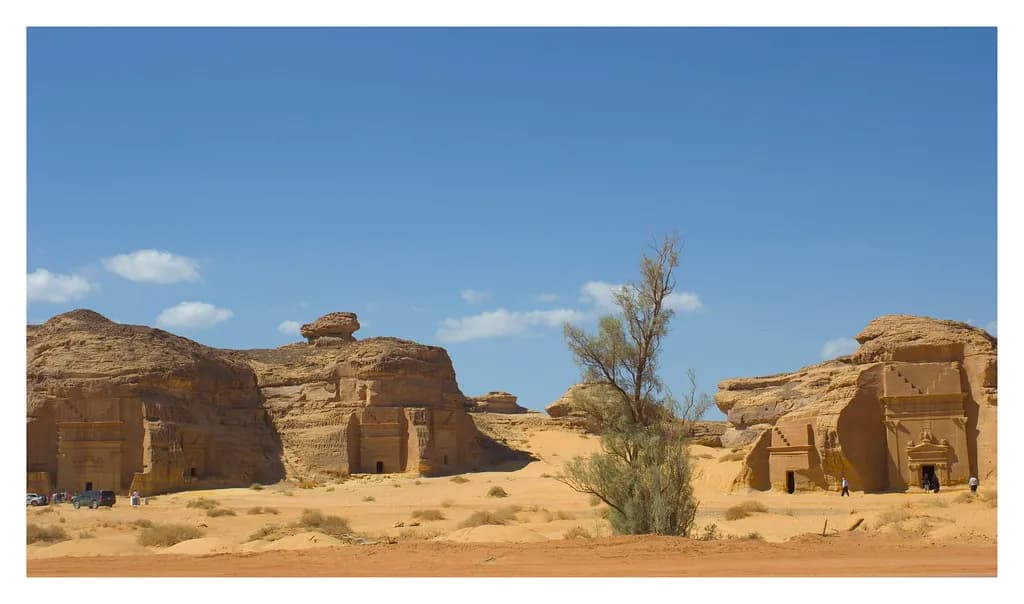
AlUla is often photographed as a dramatic meeting of sandstone and sky, yet its most hopeful quality is the relationship it is trying to build between the past and the future. Here, development is most convincing when an archaeological discovery supports research, a restored oasis supports farmers and a carefully designed stay creates long-term work for local people.
The Royal Commission for AlUla’s Journey Through Time masterplan connects five heritage districts through a regenerated cultural landscape. Its principles call for safeguarding nature and culture, sustaining wildlife, maintaining agriculture and creating public space rather than treating heritage as scenery around a hotel.
A destination built on knowledge
Archaeology gives AlUla an advantage that cannot be manufactured. Research and conservation can create careers for Saudi historians, guides, scientists, architects and craftspeople. The commission’s 2026 development overview emphasizes training and professional pathways so the people of AlUla can participate in the destination’s growth.
Hospitality can reinforce this approach when it respects water, light and landscape. The PIF-backed NUMAJ hotel, now under construction for a planned 2027 opening, is targeting LEED Gold certification and includes greywater reuse, local materials and lighting aligned with AlUla’s dark-sky policy, according to the project announcement.
Tradition as a living economy
AlUla’s two million date palms are a reminder that heritage is also everyday work. Local agriculture, markets and food traditions give visitors a connection that architecture alone cannot provide. Supporting growers and artisans keeps value circulating in the community.
Crown Prince Mohammed bin Salman’s Vision 2030 gives AlUla global visibility, but stewardship will define its success. The destination can demonstrate that modern ambition does not require erasing what came before.
A model worth watching
If AlUla protects fragile sites, measures environmental pressure and keeps local people central, it can offer a powerful Saudi model: growth grounded in identity. That is a future in which preservation is not a limit on progress, but the source of its distinctiveness.
Published in The Outspoken Digest
Editorial
Outspoken Digest Editorial DeskThe Digest's own desk: the pieces that do not sit in one section.
Newsletter
The Digest, in your inbox
One edition, sent when it is ready. No noise, and your address is never passed on.
Read Next
More Travel →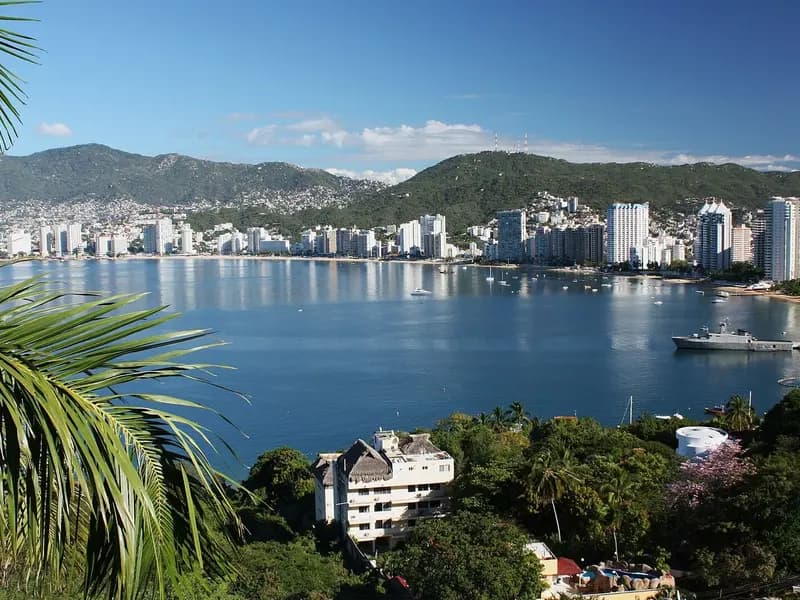
Tropical Storm Trudy Is Forecast to Become a Major Hurricane as It Nears Mexico's Pacific Coast
Oct 15, 2026/2 min read
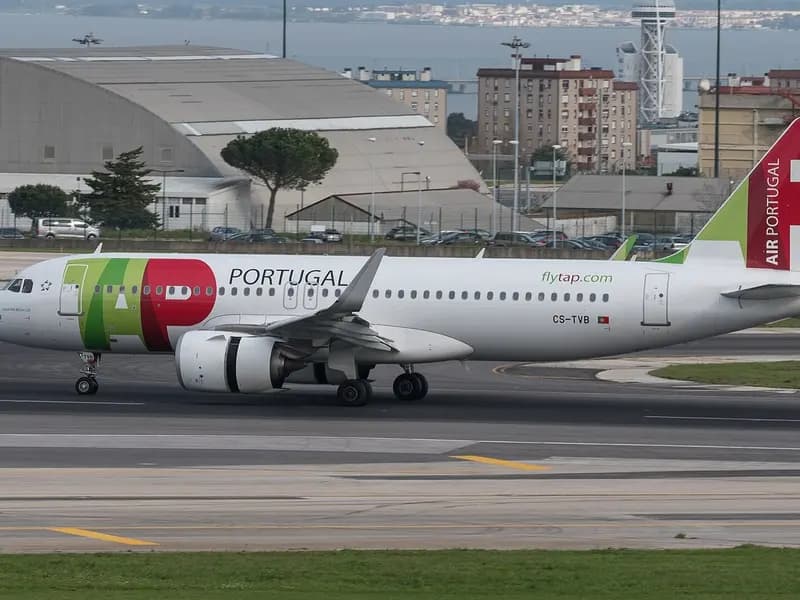
Portugal Picks Lufthansa Over Air France-KLM for a 44.9 Percent Stake in TAP Air Portugal
Oct 14, 2026/2 min read
Hurricane Simon Closes Puerto Vallarta's Airport and Sends Tourists to Shelters as a Category 4 Storm Nears Mexico
Oct 10, 2026/2 min read