Baklava: Forty Sheets of Filo and One Rule About Temperature
Layered filo, clarified butter, crushed nuts and syrup. It is not a difficult dessert, it is a patient one, and the single thing that decides crisp or soggy happens in the last thirty seconds.
Thursday, August 13, 2026/6 min read
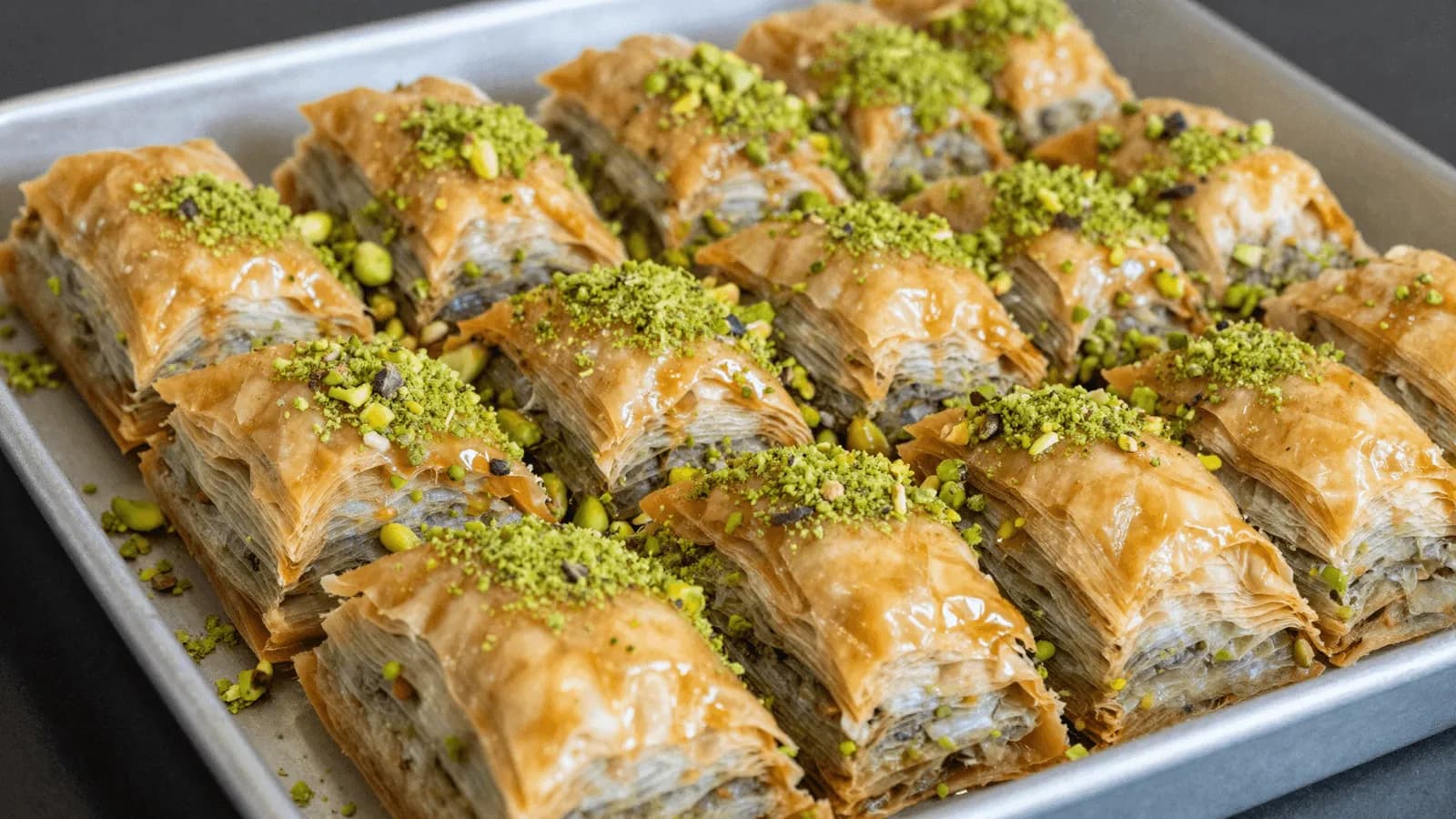
Baklava has a reputation for being difficult, and it is not. It is tedious, which is a different problem and an easier one to solve, because tedium only asks you to keep going.
What it actually consists of is thin pastry, melted butter, ground nuts and sugar syrup. There is no technique to master, no emulsion to hold, nothing that can suddenly collapse. There are only about six places where people go wrong, and five of them are avoidable by knowing they exist.
The one rule that decides everything
One of the syrup and the pastry must be hot and the other must be cold. Never both.
Hot syrup poured onto hot pastry gives you a soggy tray. Cold onto cold gives you a wet, unabsorbed one where the syrup sits in the bottom and never travels. The temperature difference is what drives the syrup into the layers while steam escaping outward keeps the surface from waterlogging.
The Levantine convention, and the one used here, is cold syrup onto hot pastry. That means the syrup gets made first and left to cool completely while everything else happens. Make the syrup before you touch the filo. There is no recovering a tray where both were warm.
We set the same principle out across the whole category in the guide to Middle Eastern desserts, because it governs knafeh and basbousa in exactly the same way.
Where it comes from, briefly
The version everyone now recognises, built from very thin sheets of layered pastry, was most likely developed in the kitchens of the Topkapi Palace in Istanbul, where cooks refined the rolling of yufka into paper-thin sheets. The dish is claimed by a great many people and the strongest evidence points to Central Asian Turkic origins, with the layered form we know emerging under the Ottomans.
Sultans are recorded as sending trays of it to the janissary regiments during Ramadan, which is a reasonable indication of how it was valued. The regional variations that followed are covered separately in Turkish versus Greek baklava.
Ingredients
Makes about 35 pieces in a 30 x 20 cm tin. Around 1 hour 30 minutes plus cooling.
- 500 g filo pastry, thawed (about 40 sheets, depending on brand)
- 350 g unsalted butter, clarified
- 400 g shelled pistachios, or walnuts
- 2 tablespoons caster sugar
- 0.5 teaspoon ground cinnamon (optional, and not traditional in Levantine versions)
- For the syrup: 400 g caster sugar
- 240 ml water
- 1 tablespoon lemon juice
- 1 tablespoon orange blossom water, or rose water
Buy raw unsalted pistachios and grind them yourself. Pre-ground pistachio is frequently cut with other nuts and goes stale quickly, and this is a dessert where the nut is half the point.
Method
1. Make the syrup and abandon it
Put the sugar, water and lemon juice in a pan, bring to a boil, then simmer for ten minutes without stirring. Take it off the heat, stir in the blossom water, and leave it to cool completely. It can go in the fridge.
The lemon juice is not for flavour. It inverts some of the sucrose, which stops the syrup crystallising into grit on the finished pastry a day later. Leave it out and you will find sugar crystals on the surface tomorrow.
The blossom water goes in off the heat because it is volatile and boiling drives it away. Use less than you think: it turns soapy very quickly, and over-perfumed syrup is the most common fault in home baking of this kind.
2. Clarify the butter
Melt the butter gently and let it settle, then spoon off the white foam and pour off the clear golden fat, leaving the milky solids behind in the pan.
This is worth the five minutes. Milk solids burn at the temperature and duration baklava needs, and they leave dark speckles and a slightly scorched taste through the layers. Clarified butter also fries the pastry more cleanly, which is a real part of the crispness.
3. Grind the nuts, coarsely
Pulse the pistachios in a food processor until they are the texture of coarse breadcrumbs, with some pieces still visibly nut-shaped. Stir in the sugar and the cinnamon if using.
Do not let it run to a paste. A few seconds too long and the oils release and you get pistachio butter, which will steam rather than stay dry between the layers.
4. Layer, and keep the filo covered
Brush the tin with butter. Lay a sheet of filo in, brush it with butter, and repeat for ten sheets. Scatter a third of the nuts evenly over the surface.
Add five buttered sheets, another third of the nuts, five more sheets, the last of the nuts, then the remaining ten sheets on top, buttering each one.
Throughout this, keep the unused filo under a barely damp tea towel. Exposed filo dries and turns to brittle flakes within a couple of minutes, and torn sheets in the middle layers do not matter, so do not panic about them. Only the top three or four need to be intact.
5. Cut it before it bakes
Using a sharp knife, cut all the way through to the bottom of the tin, in a diamond or square pattern. Do this now.
Baked baklava shatters if you cut it afterwards, and you will destroy the top layers trying. Cutting first also gives the syrup routes into the middle of the tray rather than only the edges.
6. Bake low and long
Bake at 160C for 50 to 60 minutes, until deep golden all over and crisp. A hot fast oven browns the top while the middle layers stay pale and greasy.
You want the whole depth cooked through, and it will smell of toasted butter when it is ready.
7. Pour the cold syrup over the hot tray
The moment it leaves the oven, pour the cold syrup evenly over the whole surface. It should hiss loudly.
Pour it into the cuts as well as over the top. Then leave it, uncovered, for at least four hours and preferably overnight. It is not ready when it is warm.
Why is my baklava soggy?
Almost always because the syrup and the pastry were at similar temperatures, so nothing drove the syrup into the layers and it sat in the base instead. The second cause is too much syrup for the size of tray, and the third is covering the tin while it cools, which traps steam and softens the top. Cold syrup, hot pastry, and leave it uncovered.
Should you use honey or sugar syrup in baklava?
Sugar syrup, scented with orange blossom or rose water, is the traditional Levantine and Turkish choice. Honey is characteristic of Greek versions and gives a heavier, darker, more assertive result that dominates the nuts. Neither is wrong, but they produce noticeably different desserts, and honey syrup also sets firmer as it cools, so the pastry stays chewier.
How far ahead can you make baklava?
It should be made at least a day ahead, and it is better on the second day than the first. Once syruped it keeps at room temperature, loosely covered, for about a week and stays crisp for four or five days of that. Do not refrigerate it: the cold turns the butter waxy and the pastry goes leathery. It freezes well before baking, layered and cut but unsyruped.
Which nuts should you use?
Pistachio in the Levant, Turkey and the Gulf; walnut in Greece and much of the Balkans. Walnut is cheaper, more bitter and more assertive; pistachio is sweeter, greener and considerably more expensive, a gap that has widened since the viral chocolate bar pulled so much of the global crop into confectionery. Almond and hazelnut both work. A mixture of pistachio and walnut, at about two to one, is a reasonable compromise on cost.
What to do with a bad first attempt
If it comes out soggy, it is still perfectly edible warmed briefly in a hot oven to drive some moisture off, and it will be better than it looks.
Make it again within the fortnight while the mistakes are still fresh. The second tray is almost always the one where it works, because by then you know how fast the filo dries and how far four hundred grams of syrup actually goes.
Published in The Outspoken Digest
Editorial desk
Outspoken Digest Food DeskCooking, ingredients, restaurants and the economics of what ends up on the table.
Newsletter
The Digest, in your inbox
One edition, sent when it is ready. No noise, and your address is never passed on.
Read Next
More Recipes →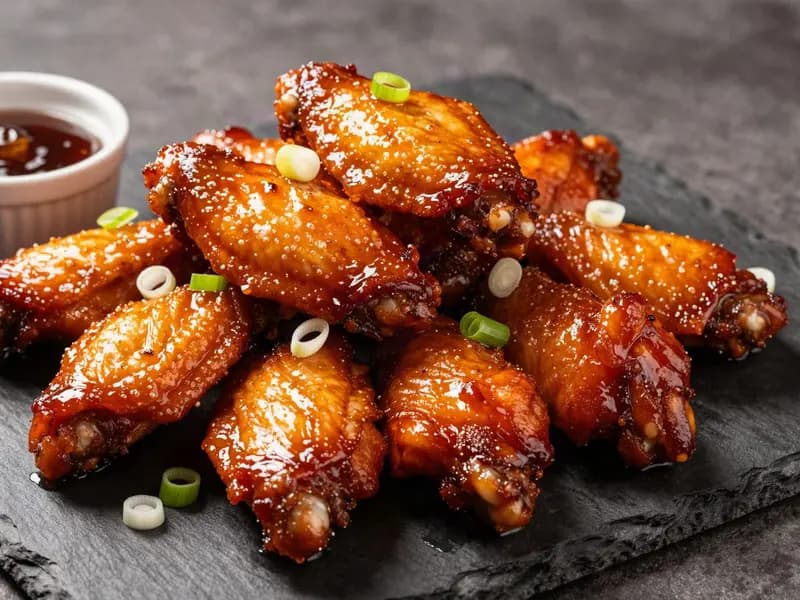
Swangy Tamarind Glazed Chicken Wings for the Flavour Replacing Swicy on Fast Food Menus
Sep 29, 2026/3 min read
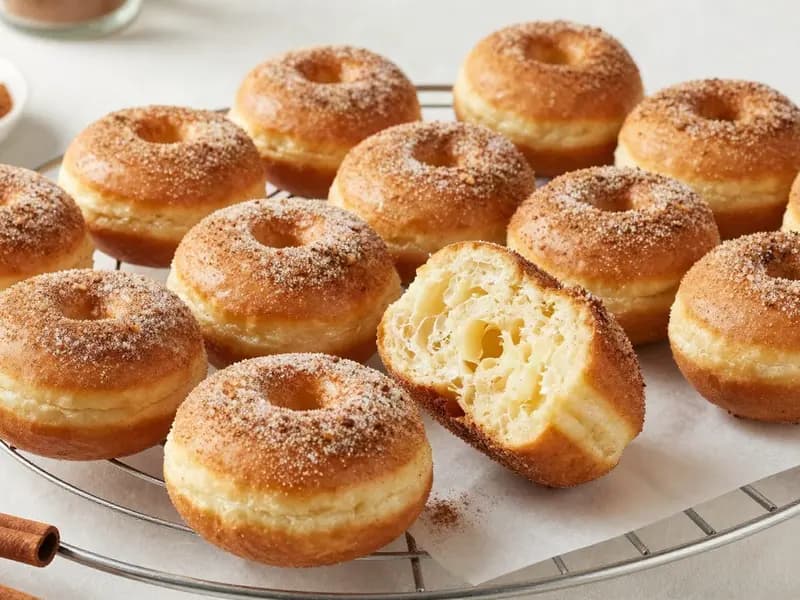
Baked Apple Cider Doughnuts for a Cider Season That Peaked Earlier Than the Calendar Says
Sep 29, 2026/3 min read
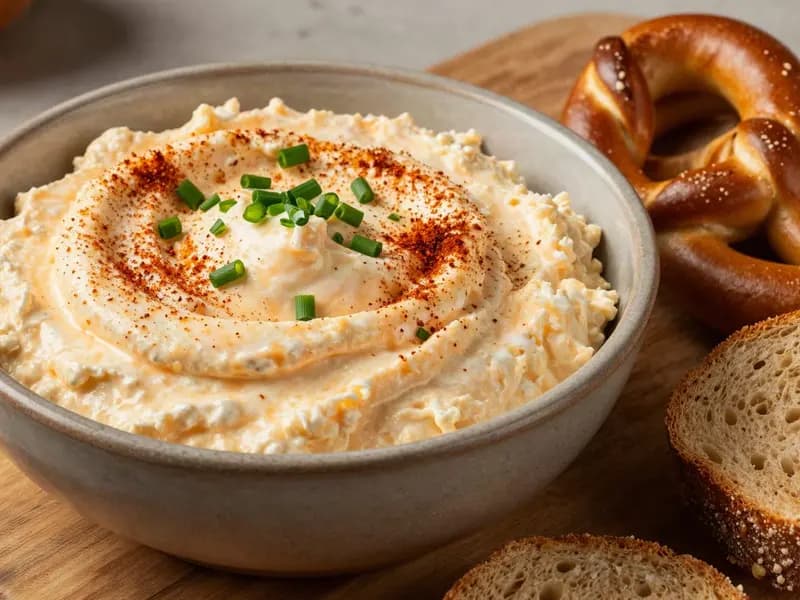
An Obatzda Bavarian Beer Cheese Dip for the Final Stretch of Oktoberfest 2026
Sep 29, 2026/3 min read