Turkish or Greek Baklava? The Argument Is Older Than Both States
Pistachio against walnut, sugar syrup against honey, semolina in the layers or not. The differences are real and worth knowing. The ownership question is less answerable than either side would like.
Friday, August 14, 2026/4 min read
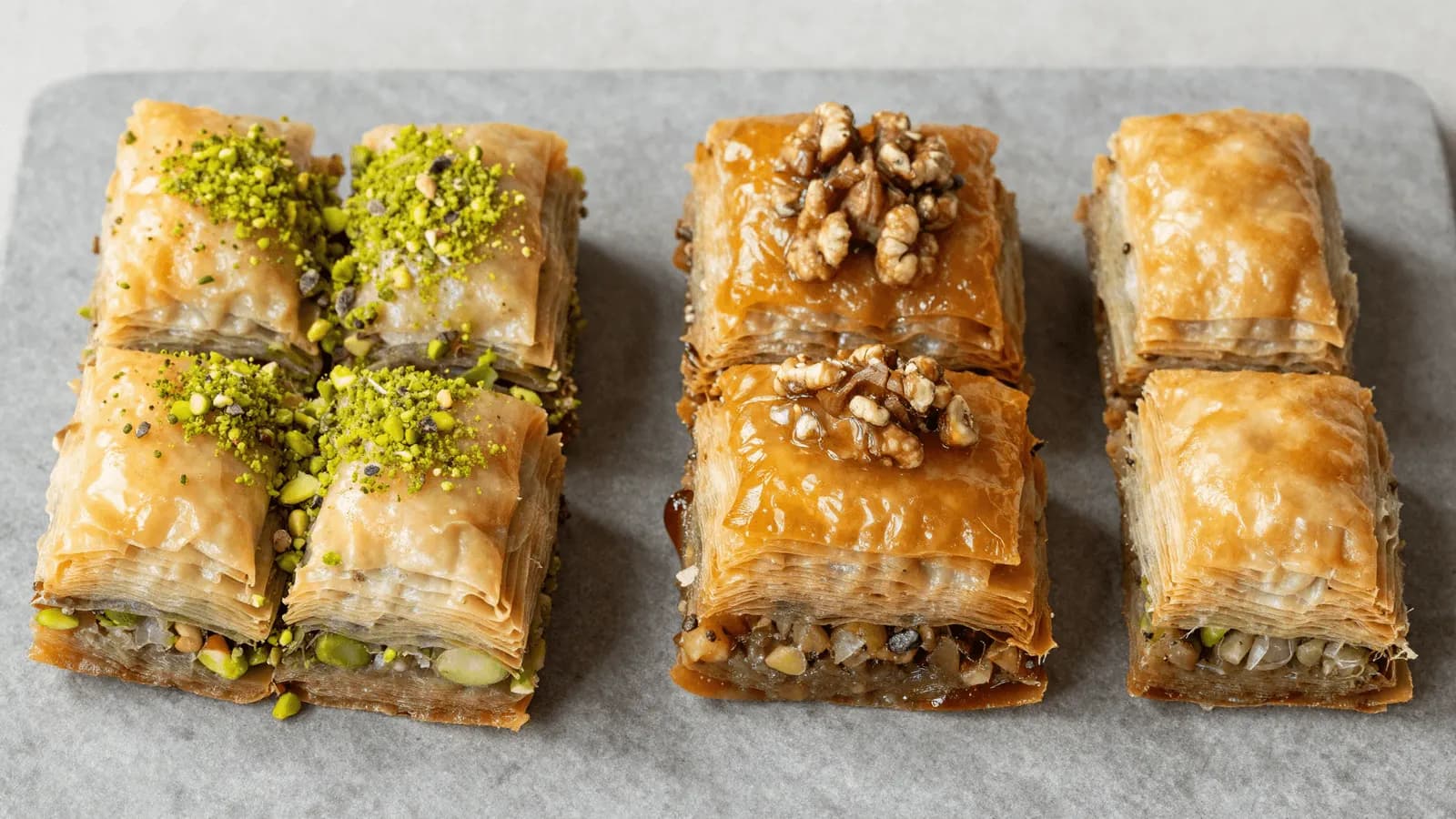
Order baklava in Athens and in Gaziantep and you will be handed two things that share a construction and very little else. One is green, restrained and faintly floral. The other is amber, spiced and considerably sweeter. Both are correct.
The question of which came first is asked constantly and answered confidently by people on both sides, which is usually a sign that the evidence does not support confidence. What can be said usefully is what actually differs on the plate.
The nuts
This is the clearest split.
Turkish baklava is pistachio, and in its most prestigious form it is specifically pistachio from around Gaziantep in the southeast, which is small, intensely green and treated the way a wine region treats its grapes. Walnut versions exist in Turkey too, particularly in the north and among Black Sea cooks.
Greek baklava is walnut, very often with almond alongside it. Walnut is more bitter, more tannic and less sweet than pistachio, which changes the balance of the whole dessert and is part of why Greek versions carry heavier spicing.
The syrup
Turkish baklava uses a plain sugar syrup, sometimes with a little lemon, usually unscented or lightly scented.
Greek baklava uses honey, or a syrup with a substantial proportion of honey, typically with cinnamon and often cloves. Honey is far more assertive than sugar. It brings its own floral and slightly bitter notes, it sets firmer as it cools, and it dominates in a way that would bury a delicate pistachio.
This is the difference most people actually taste first, even if they attribute it to the nuts.
The pastry
Turkish yufka is rolled extremely thin, and a good Gaziantep baklava may carry forty or more layers in a piece a couple of centimetres deep. The texture is shattering and dry, almost brittle, and it is meant to be. Some workshops dust semolina or starch between sheets during rolling to keep them separate.
Greek filo is generally slightly thicker and used in fewer layers, giving a softer, denser, more yielding bite. There is a widely repeated tradition that Greek baklava should have thirty-three layers, one for each year of Christ's life. It is a piece of folklore rather than a rule anyone actually counts to in a commercial kitchen, but it is repeated often enough to be worth knowing.
The spicing
Turkish baklava is usually unspiced. The intent is that you taste butter, pistachio and sugar, and nothing is allowed to interfere with that.
Greek baklava is spiced, most often with cinnamon and cloves, sometimes with orange zest. Levantine versions sit between the two, unspiced but scented with orange blossom or rose water in the syrup, as set out in the syrup guide.
The butter
A detail that matters more than it sounds. Turkish workshops overwhelmingly use clarified butter, frequently made from sheep's milk, which has a distinctly gamey, rich character that is instantly recognisable if you have eaten the real thing in Turkey.
Greek baklava uses ordinary clarified cow's butter, and some regional and fasting versions use olive oil, which produces something noticeably different and much less rich.
So who invented baklava?
The honest answer is that nobody can settle it, and the framing of the question is part of the problem. Layered pastry with nuts appears in various forms across a very wide region over a very long period. The best available evidence points to Central Asian Turkic origins for the ancestor of the dish, with the specific paper-thin layered form refined in the Ottoman imperial kitchens at Topkapi in the fifteenth century. Greece, the Levant, Armenia, the Balkans and the Caucasus were all inside or adjacent to that empire for centuries, and all developed their own versions. Asking which modern nation owns it applies a nineteenth-century idea to a fifteenth-century pastry.
Which one is sweeter?
Greek, usually, and by a clear margin. Honey syrup carries more perceived sweetness than sugar syrup at the same concentration, and Greek versions tend to be more generously soaked. Turkish baklava is sweet but drier and crisper, and the pistachio's mild bitterness cuts through it. If you find baklava overwhelming, the Turkish style is the one to try.
Which is more expensive?
Turkish, substantially, and the reason is the pistachio. Good Antep pistachio was already the costly option and the price has climbed further as global demand for pistachio has risen, a squeeze we covered in the pistachio shortage. Walnut is a fraction of the cost, which is one practical reason walnut versions remain widespread well beyond Greece.
What about Lebanese and Syrian baklava?
Levantine baklava sits between the two poles and is often overlooked in the argument entirely. It uses pistachio like the Turkish style, sugar syrup rather than honey, but scents that syrup with orange blossom or rose water and skips the spices. Shapes proliferate more than elsewhere: fingers, rolled cigars, nests filled with whole pistachios, and small baskets. Aleppo in particular had a serious reputation for it before the war.
Which should you make?
If you have never made it, make the Turkish-leaning version. Sugar syrup is more forgiving than honey, which burns more readily and sets harder, and unspiced layers make it obvious whether your butter and pastry are right. Our baklava recipe follows that approach with a Levantine blossom-water syrup.
Then make the Greek version and find out which one you actually prefer, which is the only part of this argument that has a definite answer.
Published in The Outspoken Digest
Editorial desk
Outspoken Digest Food DeskCooking, ingredients, restaurants and the economics of what ends up on the table.
Newsletter
The Digest, in your inbox
One edition, sent when it is ready. No noise, and your address is never passed on.
Read Next
More Recipes →
Swangy Tamarind Glazed Chicken Wings for the Flavour Replacing Swicy on Fast Food Menus
Sep 29, 2026/3 min read
Baked Apple Cider Doughnuts for a Cider Season That Peaked Earlier Than the Calendar Says
Sep 29, 2026/3 min read
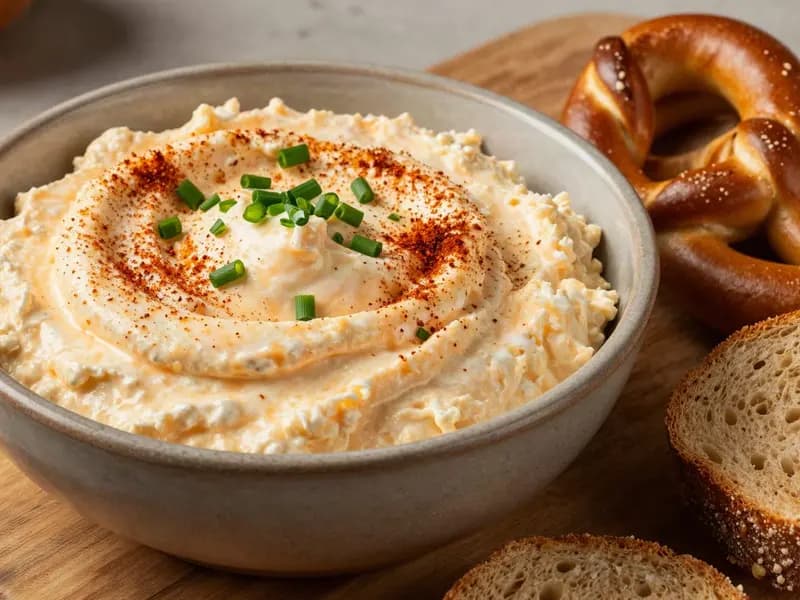
An Obatzda Bavarian Beer Cheese Dip for the Final Stretch of Oktoberfest 2026
Sep 29, 2026/3 min read