Brown Bread Is Usually White Bread With Colouring, and the Label Is Allowed to Say So Quietly
Wholemeal, wholegrain, multigrain, brown, granary and wheat all sound like the same promise. Only one of them reliably means the whole grain is in there, and the difference shows up in your glucose two hours later.
Outspoken Digest Nutrition Desk
Sunday, August 9, 2026/3 min read
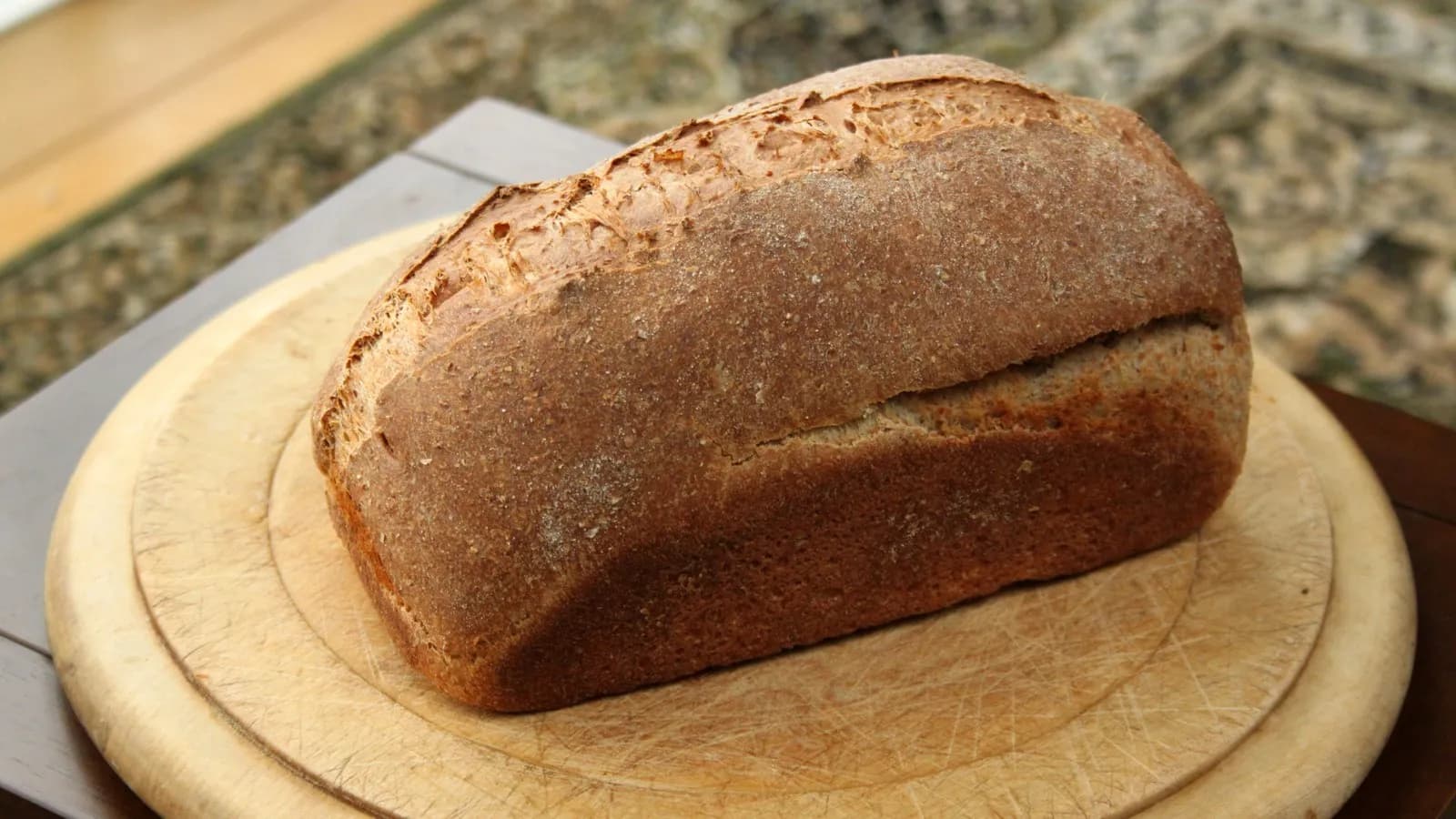
Bread is where a lot of well-intentioned dietary change quietly fails. Someone switches from white to brown, feels they have made a healthy choice, and sees no change at all in their readings.
They usually have not made the change they think they made.
What do the labels actually mean?
The vocabulary is doing more marketing than description, and the terms are not interchangeable.
- Wholemeal or wholegrain means the flour contains the entire grain, including the bran and the germ. This is the term that carries a guarantee.
- Brown means the bread is brown. That colour frequently comes from caramel colouring or molasses added to refined white flour. It is not a claim about the grain and is not required to be.
- Multigrain means several grains were used. It says nothing about whether any of them were whole. Multigrain white bread is entirely possible and common.
- Made with wholegrain means some proportion was wholegrain, and the proportion is often small.
- Wheat means it is made from wheat, which all bread is.
The only reliable method is to read the ingredients rather than the front of the packet. If the first ingredient is wholemeal or wholegrain flour, it is what it claims. If the first ingredient is wheat flour, with wholemeal appearing lower down or not at all, the front of the bag has been optimistic.
Does wholemeal actually help?
Yes, though less dramatically than people hope, and for a specific reason.
Intact bran slows digestion and adds fibre. But flour is flour, and grinding a whole grain into a fine powder destroys much of the physical structure that slowed things down in the first place. Finely milled wholemeal flour behaves considerably more like white flour than an intact grain does.
This is why a bowl of whole barley or burghul produces a much gentler glucose response than bread made from wholemeal flour, even though both are technically wholegrain. Particle size matters, and the more coarsely a grain is broken, the better it behaves.
The practical implication: seeded and stoneground breads with visible grains and a coarse crumb genuinely do better than smooth wholemeal loaves.
What about sourdough?
A genuine effect, and one of the few pieces of food folklore that survives scrutiny.
Long fermentation with a natural starter produces organic acids, and acidity slows gastric emptying and reduces the glucose response to the same amount of carbohydrate. Fermentation also partially breaks down some starch before you eat it.
The caveat is that most supermarket sourdough is not sourdough in this sense. Bread made quickly with commercial yeast and flavoured to taste sour has none of the relevant properties. The test is time: real sourdough is fermented over many hours, and the ingredient list is flour, water and salt.
What are the better swaps?
In rough order of how much difference they make.
- Eat less of it and more of what goes on it. The most effective change and the least popular. One piece of good bread with a substantial topping beats three pieces with a thin one.
- Choose coarse over fine. Seeded, stoneground, whole rye or a genuine sourdough over a soft wholemeal sandwich loaf.
- Use legume-based flours where the dish permits. Chickpea flour is already traditional across the wider region and carries far more protein and fibre than wheat flour. It works well in flatbreads and batters, less well in a raised loaf.
- Add fat, protein or acid. Bread with labneh, olive oil, egg or hummus produces a very different curve from bread alone, which is the same principle as eating things in the right order.
- Freeze and toast it. Freezing bread and then toasting it increases resistant starch through the same retrogradation process that affects cooled rice. A small effect, but it is free.
What about flatbread?
It deserves its own note here because it is eaten in volume and rarely counted.
Regional flatbreads are typically made from refined flour and are eaten as a utensil, which means the quantity consumed is invisible to the person eating. Nobody counts how many pieces of khubz they used to eat a plate of food, and the total is frequently larger than a portion of rice would have been.
Wholemeal versions exist and are worth seeking out. But the more useful intervention is simply to be aware of it as a carbohydrate rather than as cutlery, and to use a fork for part of the meal.
None of this requires giving up bread, which is fortunate, because advice to give up bread has roughly the same success rate as advice to give up rice, and for the same reason.
Published in The Outspoken Digest
Editorial desk
Outspoken Digest Nutrition DeskDiet, food science and the evidence behind claims about what we eat.
Newsletter
The Digest, in your inbox
One edition, sent when it is ready. No noise, and your address is never passed on.
Read Next
More Nutrition →
Small Pilot Trial Finds Meals or an App Slowed Weight Regain After People Stopped GLP-1 Drugs
Oct 15, 2026/2 min read
Potassium-Rich DASH Diet Did Not Raise Blood Potassium to Unsafe Levels in Adults on Blood Pressure Drugs
Oct 13, 2026/2 min read
Matched for Calories and Macronutrients, an Ultra-Processed Meal Still Drew a Bigger Insulin Response in a Small Trial
Oct 9, 2026/3 min read
A Study of 371,000 Americans Found Whole Fruit, Not Juice, Is Linked to Better Heart Health
Oct 1, 2026/2 min read