Ten Thousand Steps Was a Marketing Number. The Evidence Says the Benefit Flattens Around Seven Thousand
Two large pooled analyses now agree: the drop in mortality with more walking is steep up to about seven thousand steps a day and shallow after that. What the studies found, what they could not show, and what to do with a phone that counts.
Sunday, September 6, 2026/4 min read
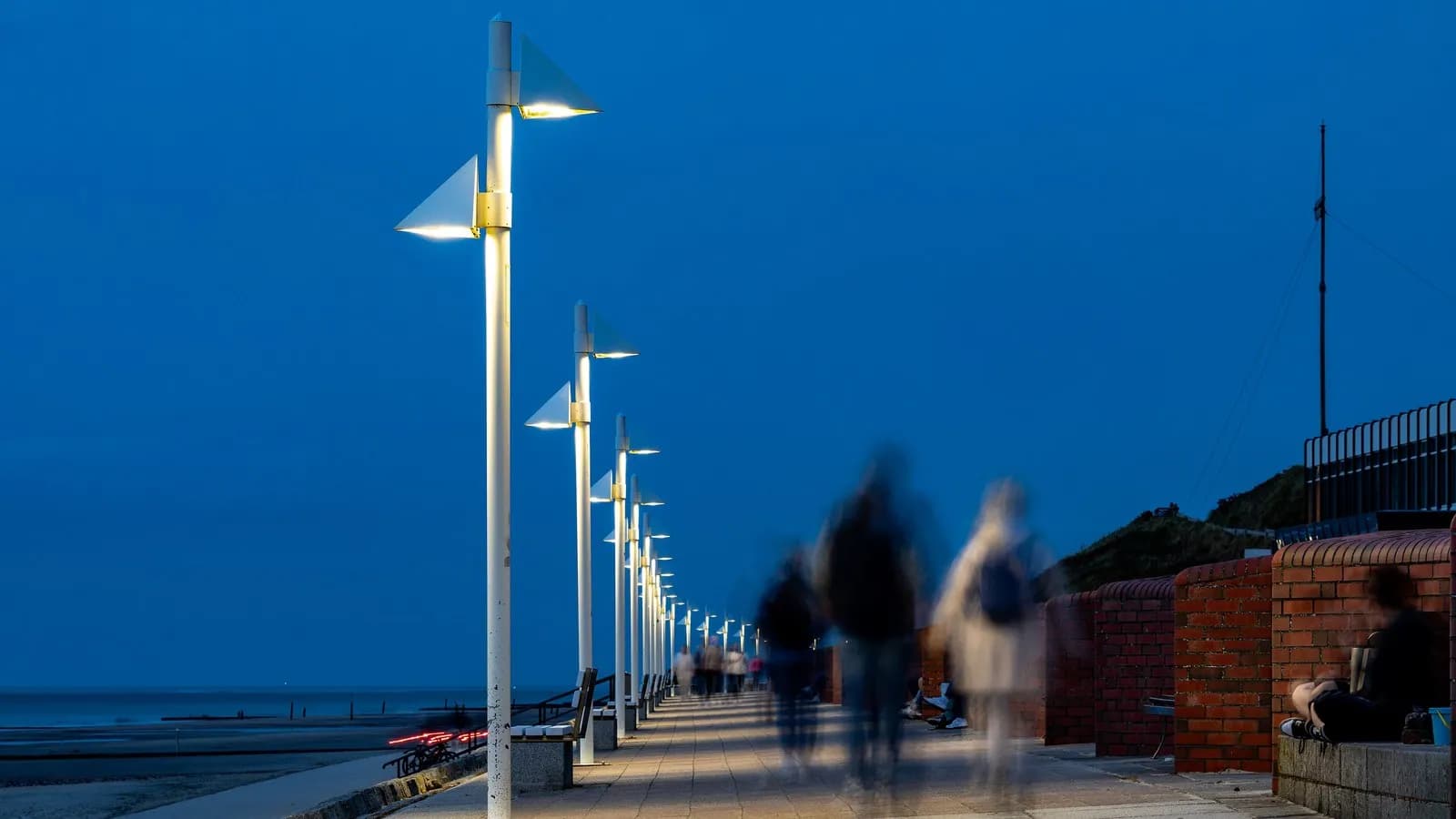
Almost every phone and watch sold today counts steps, and almost every one of them ships with a daily target of ten thousand. The number is not from a study. It is usually traced to a Japanese pedometer marketed in the 1960s under a name that translates as ten-thousand-step meter, and it stuck because it is round. For decades nobody checked it. In the last few years several groups have, and the answer is more useful than the slogan.
The two studies that matter
The first is a pooled analysis published in The Lancet Public Health in 2022 by Amanda Paluch and the Steps for Health Collaborative, which combined fifteen cohorts in which adults wore step counters and were then followed for deaths. Mortality fell steadily as daily steps rose, and then stopped falling. For adults aged sixty and over the flattening came at around six to eight thousand steps a day. For adults under sixty it came at around eight to ten thousand. Beyond those points, more steps were not associated with a lower risk of dying. Walking faster, once the number of steps was accounted for, made no measurable difference.
The second is a systematic review and dose-response meta-analysis published in the same journal in July 2025 by Melody Ding and colleagues at the University of Sydney, which went beyond mortality to look at nine outcomes across fifty-seven studies. Compared with two thousand steps a day, seven thousand was associated with a 47 per cent lower risk of death from any cause, a 25 per cent lower risk of cardiovascular disease, a 38 per cent lower risk of dementia, a 22 per cent lower risk of depressive symptoms and a 28 per cent lower risk of falls. For most outcomes the curve bent at around five to seven thousand steps, with smaller gains above that. The authors rated the certainty of the evidence moderate for most outcomes and low for several, and were candid that the number of studies behind some of them was small.
Their conclusion was that ten thousand remains a reasonable target for people who are already active, and that seven thousand is a better one for people who are not, because it captures most of the benefit and is achievable.
What these studies cannot tell you
They are observational. People who walk more are healthier in ways that are hard to fully adjust for, and people who are already ill walk less, which inflates the apparent benefit of walking at the low end. The researchers controlled for what they could, and the consistency across cohorts and countries is reassuring, but nobody has randomised a large population to walk seven thousand steps for a decade and counted the deaths. The most honest reading is that the shape of the curve is real and the exact percentages are approximate.
They also count steps, not minutes of moderate activity, and the two are related but not identical. A brisk thirty-minute walk is roughly three to four thousand steps. The public health guidance of 150 minutes a week of moderate activity, which the NHS walking advice is built on, and a daily step target are two ways of describing the same thing, and either works.
The shape of the curve is the useful part
The most important finding in both analyses is not the number at the top but the steepness at the bottom. The largest reduction in risk comes from moving from two or three thousand steps a day, which is what a sedentary office worker accumulates, to five or six thousand. That is one extra walk. For someone starting from very little, an additional two thousand steps a day is worth more than the difference between eight thousand and twelve thousand for someone already active.
This is the opposite of how the ten-thousand target functions in practice, where people who reach six thousand feel they have failed and people who reach eleven thousand feel they should reach fifteen. Neither response is supported by the data.
What to do with it
- Find out what you actually do. Most phones have been counting for years; look at a normal week rather than a good day.
- If the number is under four thousand, the goal is an extra walk, not a fitness programme. Twenty minutes at lunch is the whole intervention.
- If the number is five to seven thousand, you are in the range where the evidence is strongest, and the marginal gain from more is real but modest.
- If the number is above eight thousand, walk because you like it. The mortality data is not going to reward you further, though other things, from fitness to mood, might.
- Do not buy anything. The step count on a phone in a pocket is accurate enough for this purpose.
The counterintuitive part for a Gulf reader is that the walking has to happen somewhere, and for five months of the year that somewhere is indoors. Malls, covered walkways and the early morning are the practical answers; the heat itself is a hazard covered in our guide to what actually helps in extreme heat. Strength work, which walking does not provide and which has its own evidence base, is the subject of our piece on muscle and longevity. Between the two, and without a gym membership, most of what the evidence asks for is covered.
Published in The Outspoken Digest
Editorial desk
Outspoken Digest Health DeskMedicine, public health and the research behind the headlines, read carefully.
Newsletter
The Digest, in your inbox
One edition, sent when it is ready. No noise, and your address is never passed on.
Read Next
More Health →
BMJ Analysis Warns Fast-Growing Private Testosterone Prescribing Could Land on the NHS
Oct 14, 2026/2 min read

Cochrane Review Finds Medical Cannabis Has No Clear Benefit for Insomnia, With Weak Evidence Either Way
Oct 13, 2026/2 min read

Lancet Commission Names 17 Threats to Global Health Through 2100, With Obesity the Largest by Burden
Oct 12, 2026/2 min read