Sugar-Free Does Not Mean Carbohydrate-Free, and the Biscuit Knows That Even If You Do Not
A product can be free of sugar, full of refined flour, sweetened with something that still raises glucose, and carry more fat and calories than the version it replaced. Regulators in Europe eventually stopped allowing a diabetic food category altogether.
Outspoken Digest Nutrition Desk
Wednesday, August 19, 2026/3 min read
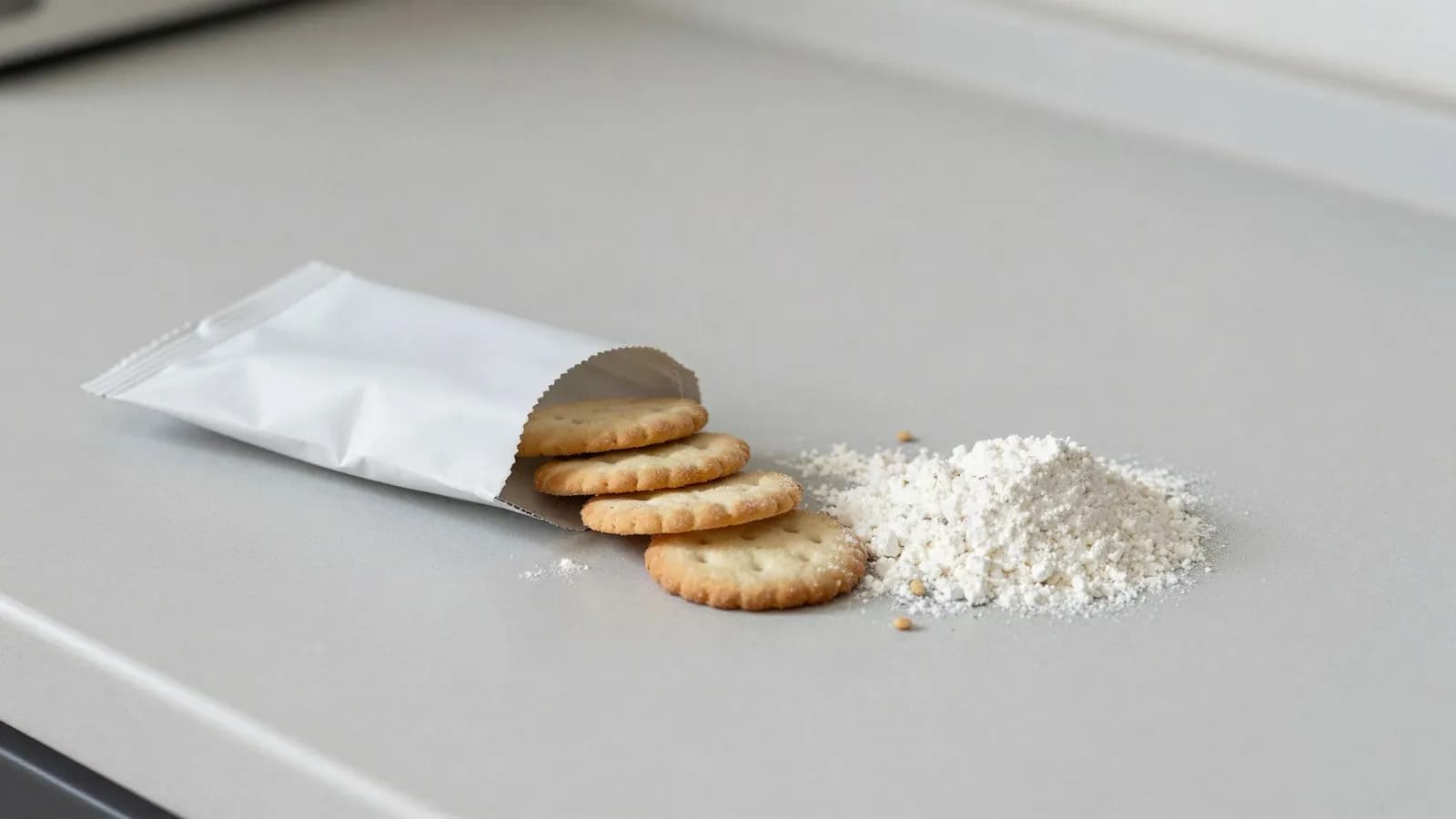
Walk through any supermarket here and you will find a shelf of products aimed squarely at people with diabetes. Sugar-free biscuits, diabetic chocolate, no-added-sugar juice, low-sugar desserts. They cost more than the ordinary version and they carry an implicit promise that eating them is a considered choice.
Frequently it is not, and the reasons are worth knowing in detail, because this is one of the few areas where the label is technically accurate and the impression it creates is still wrong.
What does sugar-free actually mean?
That the product contains little or no sugar, as defined by regulation. It says nothing about carbohydrate.
This is the central confusion. Starch is not sugar on a label, and starch is digested into glucose. A sugar-free biscuit made from refined white flour delivers a substantial carbohydrate load that appears in your blood as glucose within the hour. The absence of sucrose does not exempt it.
The number that matters on the panel is total carbohydrate, not sugars. Someone reading the sugars line alone is reading the least relevant figure available to them.
What about the sweeteners used instead?
This is where the labelling becomes actively misleading rather than merely incomplete.
Many products in this category are sweetened with sugar alcohols, and maltitol is the most common because it behaves best in baking and chocolate. Maltitol is not free of impact. It contains absorbable carbohydrate and raises blood glucose meaningfully, considerably more than erythritol or stevia do.
A chocolate bar sweetened with maltitol can raise glucose more than the label implies, while carrying essentially the same fat and calories as the standard bar. In some products the fat content is higher, because fat is doing work that sugar used to do for texture.
Sugar alcohols also cause gastrointestinal symptoms at modest doses. Bloating, cramping and laxative effects are common enough that packages carry warnings, and people frequently discover the threshold experimentally and unpleasantly.
Is there a difference between no added sugar and sugar-free?
Yes, and the gap is large.
No added sugar means nobody put sugar in during manufacturing. It says nothing about what was already there. A no-added-sugar fruit juice is still concentrated fruit sugar in solution, absorbed rapidly, with the fibre removed. It is not a low-glucose product, it is a product to which nothing was added, and those are very different claims sitting in similar-looking type.
Similarly, reduced sugar means less than the original version, which may still be a great deal. It is a comparative claim with an unstated reference point.
Why did regulators lose patience with this?
Because the category was judged to be doing more harm than good.
European regulation eventually moved away from permitting a distinct diabetic foods category, on the reasoning that these products offered no demonstrated benefit over ordinary foods eaten sensibly, that they encouraged consumption on the basis of a health halo, and that they cost more while frequently delivering similar energy and carbohydrate.
The judgement was that a person with diabetes is better served by understanding ordinary food labels than by a special aisle implying that certain products are exempt from the arithmetic. That position has aged well.
How should you read a label?
Four lines, in this order, and ignore the front of the packet entirely.
- Total carbohydrate per serving. The single most useful number, and the one the marketing works hardest to distract from.
- The serving size itself. Manufacturers set this, and they set it small. Check whether the stated serving resembles what anyone would actually eat.
- Fibre. Higher fibre for a given carbohydrate load generally means a slower response, and it is the number that separates two products with identical carbohydrate.
- The ingredient list. Ordered by weight. If refined flour is first and a sugar alcohol is second, you are holding a biscuit, whatever the front says.
What is the better approach?
Eat ordinary food, in sensible amounts, and spend the premium elsewhere.
A small portion of real dessert, eaten at the end of a meal that contained protein, vegetables and fat, will often produce a gentler glucose response than a larger portion of a sugar-free product eaten alone in the belief that it is free. The order and context of a meal does more than the label on any single item in it.
The health halo is the real mechanism here. People eat more of something they believe is permitted, and the extra quantity comfortably erases the modest advantage the product had. That is not a failure of willpower. It is the predictable result of a label designed to remove a decision, which is precisely what the sweetener aisle is selling as well.
Published in The Outspoken Digest
Editorial desk
Outspoken Digest Nutrition DeskDiet, food science and the evidence behind claims about what we eat.
Newsletter
The Digest, in your inbox
One edition, sent when it is ready. No noise, and your address is never passed on.
Read Next
More Nutrition →
Small Pilot Trial Finds Meals or an App Slowed Weight Regain After People Stopped GLP-1 Drugs
Oct 15, 2026/2 min read
Potassium-Rich DASH Diet Did Not Raise Blood Potassium to Unsafe Levels in Adults on Blood Pressure Drugs
Oct 13, 2026/2 min read
Matched for Calories and Macronutrients, an Ultra-Processed Meal Still Drew a Bigger Insulin Response in a Small Trial
Oct 9, 2026/3 min read
A Study of 371,000 Americans Found Whole Fruit, Not Juice, Is Linked to Better Heart Health
Oct 1, 2026/2 min read