The WHO Advised Against Sweeteners, and Then Made One Exception That Nobody Reported
The 2023 guideline told people not to use non-sugar sweeteners for weight control. It explicitly does not apply to people who already have diabetes, which is precisely the group that read the headline and threw them out.
Outspoken Digest Nutrition Desk
Tuesday, August 11, 2026/3 min read
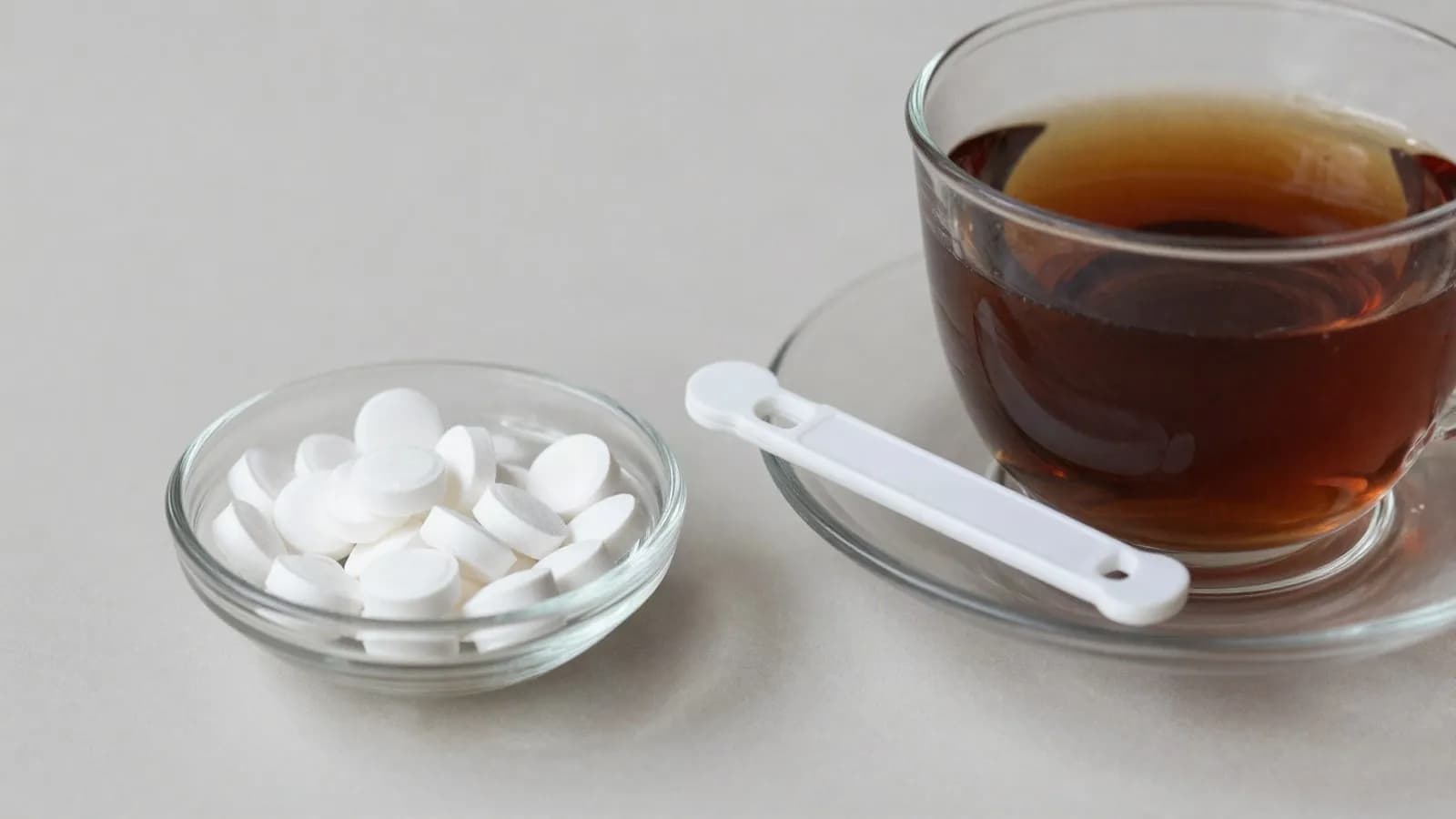
In May 2023 the World Health Organization published a guideline recommending against the use of non-sugar sweeteners to control body weight or reduce the risk of non-communicable diseases. It was reported everywhere, usually with a headline suggesting sweeteners had been found to be harmful.
The guideline contains a specific exclusion that received almost no coverage. The recommendation applies to everyone except people with pre-existing diabetes.
That is not a footnote. It is the difference between the advice applying to you and not applying to you, and a large number of people with diabetes read the coverage and changed their habits on the basis of guidance that had deliberately left them out.
What did the WHO actually say?
It is worth being precise, because the recommendation is narrower than the headlines implied.
The systematic review underpinning it found that non-sugar sweeteners do not confer long-term benefit in reducing body fat in adults or children. That is the core finding: as a weight loss tool, they do not appear to work over time.
The review also noted possible undesirable effects from long-term use, including associations with increased risk of type 2 diabetes, cardiovascular disease and mortality in adults.
The sweeteners covered include acesulfame K, aspartame, advantame, cyclamates, neotame, saccharin, sucralose, and stevia and its derivatives.
Why exclude people who already have diabetes?
Because the question they face is different, and the comparison that matters changes.
For someone without diabetes, the choice is often between a sweetened drink and water, and the guideline is essentially saying that swapping sugar for sweetener will not make you thinner and may carry risks over decades.
For someone with diabetes, the realistic comparison is frequently between a sweetened product and a sugar-containing one. Sugar produces an immediate, measurable, unambiguous glucose rise. The evidence against non-sugar sweeteners is largely observational and concerns long-term associations. Weighing a certain acute effect against an uncertain chronic one produces a different answer, and the guideline development group evidently recognised that.
How reliable is the evidence against sweeteners?
Mixed, and the weakest part of it is the part that got quoted most.
The finding that sweeteners are associated with higher rates of type 2 diabetes and cardiovascular disease comes largely from observational studies, and those are extremely vulnerable to reverse causation here. People who drink diet soft drinks are disproportionately people who already have weight concerns, prediabetes, or a family history, which is precisely why they switched. The sweetener did not cause the risk profile, the risk profile caused the sweetener.
The WHO acknowledged low certainty in parts of the evidence, and the guideline was described as conditional rather than strong. Nutrition scientists have published disagreement with the interpretation since. That is a normal scientific argument, not a scandal, and it is a reason to hold the conclusion loosely rather than to dismiss it.
So should someone with diabetes use them?
A defensible position, given what is and is not established.
Using a sweetener in tea or coffee instead of sugar is a straightforwardly reasonable swap, and it is one of the easiest wins available in this region, where a great deal of the daily sugar load arrives in drinks.
Treating diet soft drinks as unlimited is less defensible, not because of any dramatic risk, but because they maintain a taste for very sweet things and, in practice, tend to accompany the food they are supposed to offset.
Sugar alcohols are a separate category worth knowing about. Erythritol, xylitol, maltitol and sorbitol do contain some absorbable carbohydrate, maltitol notably so, and they cause gastrointestinal upset in many people at modest doses. Products labelled sugar-free that rely on maltitol can raise glucose more than the label suggests.
What is the better goal?
Reducing overall sweetness rather than relocating it.
The strongest version of this advice, and the one both the WHO and diabetes guidance would agree on, is that the objective is not to find a perfect sugar replacement. It is to gradually shift the palate so that less sweetness is needed at all. Taste adapts, over weeks rather than days, and things that once seemed unsweetened stop seeming that way.
Sweeteners can be a useful bridge in that direction. They work badly as a permanent destination, and the products they most often appear in are covered in our piece on what a diabetic label actually promises.
Published in The Outspoken Digest
Editorial desk
Outspoken Digest Nutrition DeskDiet, food science and the evidence behind claims about what we eat.
Newsletter
The Digest, in your inbox
One edition, sent when it is ready. No noise, and your address is never passed on.
Read Next
More Nutrition →
Small Pilot Trial Finds Meals or an App Slowed Weight Regain After People Stopped GLP-1 Drugs
Oct 15, 2026/2 min read
Potassium-Rich DASH Diet Did Not Raise Blood Potassium to Unsafe Levels in Adults on Blood Pressure Drugs
Oct 13, 2026/2 min read

Matched for Calories and Macronutrients, an Ultra-Processed Meal Still Drew a Bigger Insulin Response in a Small Trial
Oct 9, 2026/3 min read

A Study of 371,000 Americans Found Whole Fruit, Not Juice, Is Linked to Better Heart Health
Oct 1, 2026/2 min read