Flying After Diving: Where 12 and 18 Hours Actually Came From
The numbers every diver recites are not arbitrary and they are not a safety margin invented by lawyers. They come from a specific set of chamber trials, and knowing their limits tells you when to wait longer.
Saturday, August 15, 2026/5 min read
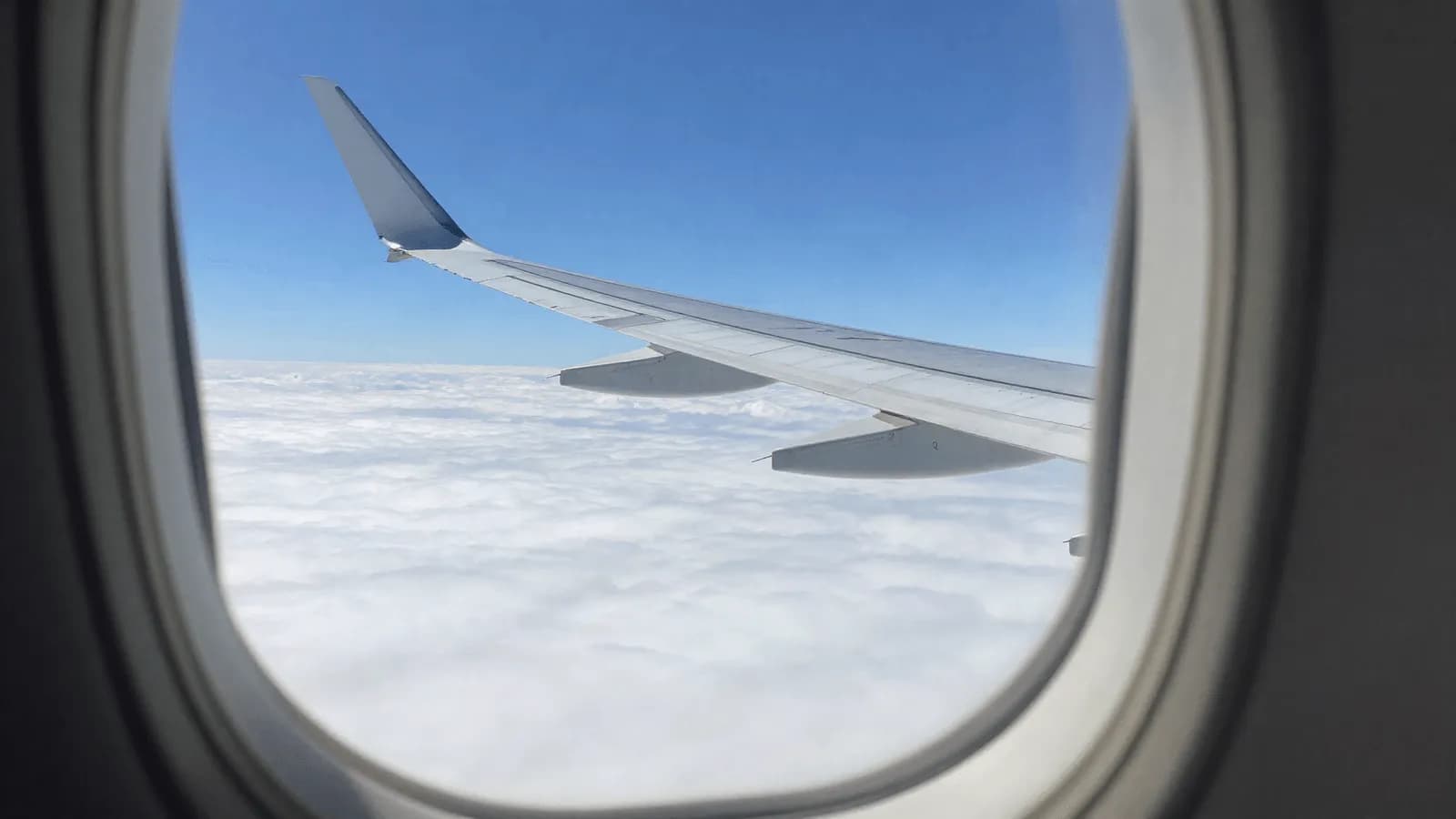
Every diver learns two numbers early and most of them never learn where the numbers came from. Twelve hours after a single dive. Eighteen after several days of diving. Recited on every liveaboard on the last evening, printed on every course slate.
They are not padding, and they are not a legal disclaimer. They come from a specific programme of human trials with a specific design, and understanding that design tells you the one thing the numbers alone cannot: when your own trip sits outside what was actually tested.
Why altitude is the problem at all
Decompression sickness happens when dissolved inert gas comes out of solution as bubbles because the surrounding pressure has dropped. Surfacing from a dive is the obvious pressure drop. Getting into an aircraft is a second one.
Commercial cabins are pressurised, but not to sea level. They are typically held at the equivalent of around 8,000 feet, because pressurising to sea level would demand a heavier airframe. So a diver boarding a flight with residual nitrogen still in their tissues gets a further reduction in ambient pressure, on top of the one they already took by surfacing.
That is the entire mechanism. The surface interval exists to let enough of that residual gas off-gas normally, at sea level, before the second pressure drop arrives.
What the guidelines actually say
The current DAN guidance sets out three tiers.
For a single no-decompression dive, a minimum surface interval of 12 hours.
For multiple dives across a day, or repetitive diving over several days, a minimum of 18 hours.
For dives requiring compulsory decompression stops, and for dives on heliox or trimix, substantially longer than 18 hours, with no specific figure given because the evidence to set one does not exist.
Note the word minimum in all three. These are floors, not targets.
Where the numbers came from
Between 1992 and 1999, DAN funded a series of trials at Duke University designed to find the actual boundary rather than guess at it.
Volunteers completed dive profiles close to recreational no-decompression limits in a dry chamber, then after a controlled surface interval underwent a four-hour simulated flight at 8,000 feet. Across 802 trials there were 40 cases of decompression sickness during or after the simulated flight.
The pattern in the results is what produced the guidance. For single no-stop dives to 60 feet or deeper, no cases occurred at surface intervals of 11 hours or longer. For repetitive no-stop diving, cases occurred at intervals of less than 17 hours.
Twelve and eighteen are those observed thresholds with an hour of margin added. That is the whole derivation, and it is a good deal more solid than most of the folklore divers pass to one another.
What the trials did not test, and why it matters
This is the part worth knowing, and the researchers were explicit about it.
The volunteers were dry and at rest. They were in a hyperbaric chamber, not in water, and they were not swimming, carrying gear, fighting current or getting cold. Immersion and exercise both change inert gas uptake and elimination, and the trial team specifically noted that longer intervals might be needed for divers who were immersed and exercising, which describes every real dive ever made.
They were also a relatively small, screened, healthy sample, and the flight was four hours at a single altitude.
None of this makes the guidance unreliable. It makes it a floor derived from favourable conditions, which is precisely how it should be read.
When should you wait longer than 18 hours?
Whenever your diving was harder than the trials were. Specifically: after any dive with mandatory decompression stops, after multiple days of repetitive multi-level diving, after cold or strenuous dives, after any dive where you exceeded your planned profile or made a fast ascent, and if you have a known patent foramen ovale or any prior history of decompression sickness. Dehydration, fatigue, alcohol the night before and a long-haul rather than short-haul flight all argue for more time as well. Twenty-four hours after a diving holiday costs you one afternoon and removes almost all of the argument.
Does driving to altitude count?
Yes, and divers forget it constantly because there is no boarding pass to remind them. Any ascent to altitude is a pressure reduction, and a mountain road can take you higher than a pressurised cabin does. This is a live issue in the region: the drive inland and uphill from Aqaba, the climb from the Omani coast towards Jebel Shams, and the mountain roads behind Fujairah and Dibba all gain real elevation shortly after people have been diving. Treat a significant drive uphill the same way you would treat a flight, and check the elevation of your route rather than assuming.
What about flying before diving?
That direction carries no decompression risk at all, because you are increasing pressure rather than reducing it. The practical concerns are different ones: dehydration from the cabin air, fatigue, and congestion or ear problems that make equalisation difficult. Arriving and diving the same day is common and acceptable, though a night's sleep first makes for better diving and a considerably better first dive.
What if you have to fly sooner?
Sometimes the schedule is not yours to set, and pretending otherwise is not useful. If the interval will be short, plan the diving around it rather than the other way round: make the final day shallow and short, skip the last dive entirely, extend safety stops, stay well hydrated and avoid alcohol.
The last dive of a trip is the one most worth giving up, and it is the one people are least willing to. It is also, statistically, at the end of the longest run of repetitive loading you will do all week.
If symptoms appear in the air or after landing, this is not something to sleep off. Joint pain, unusual fatigue, numbness, weakness or confusion after a flight following diving should be treated as decompression sickness until a doctor says otherwise. DAN operates a 24-hour emergency line for exactly this. What follows, and what a chamber session actually involves, is set out in our guide to decompression sickness and in the piece on recompression chambers in the Red Sea and Gulf.
Where the nearest chamber is should be something you know before the trip rather than something you find out during it.
Published in The Outspoken Digest
Editorial desk
Outspoken Digest Diving DeskCovers freediving, recreational and technical diving, dive medicine and the incidents the sport learns from.
Newsletter
The Digest, in your inbox
One edition, sent when it is ready. No noise, and your address is never passed on.
Read Next
More Diving →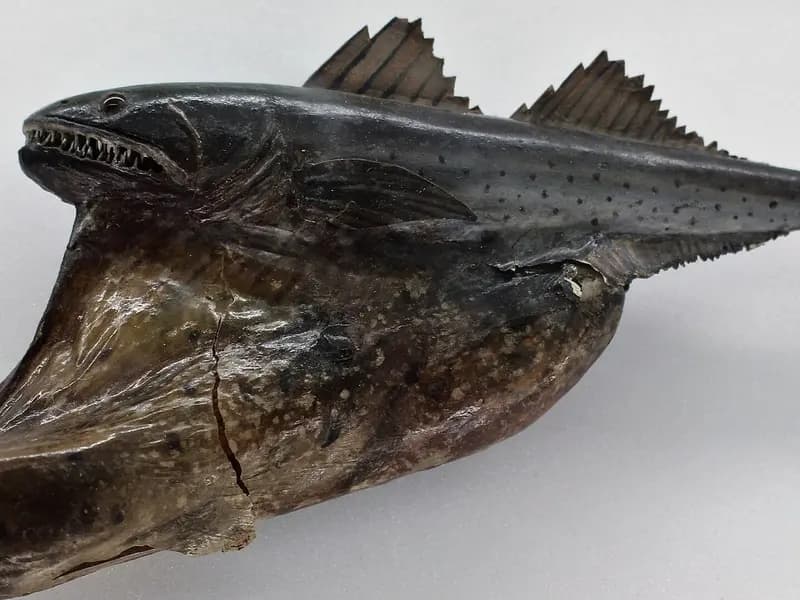
Black Swallower Filmed With a Hugely Swollen Belly 1,259 Metres Down Off Trinidad and Tobago
Oct 13, 2026/2 min read
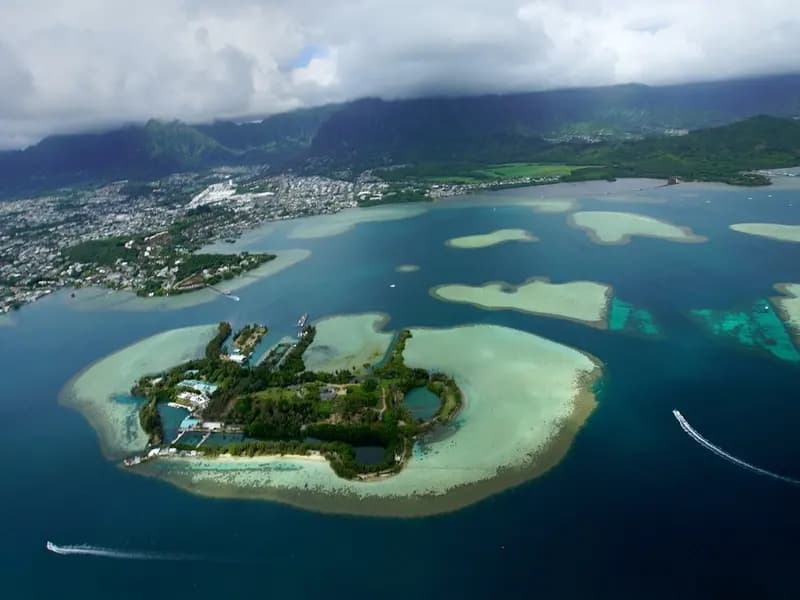
Playing Recordings of a Healthy Reef Drew More Coral and Fish Larvae to Artificial Structures Off Hawaii
Oct 9, 2026/3 min read
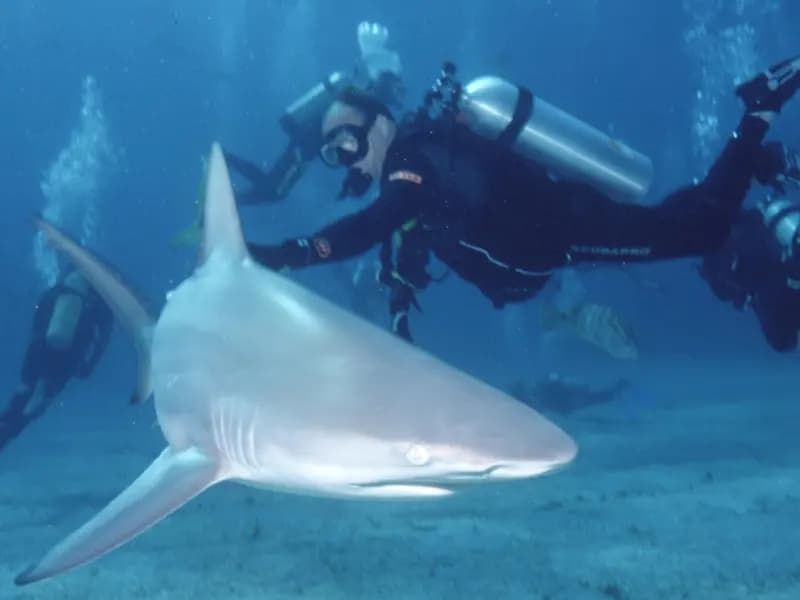
Blacktip Sharks Can Hear a Sound From Nearly 250 Feet Away and Swim Straight Toward or Away From It
Oct 1, 2026/2 min read
A Sea Turtle Species Never Recorded Nesting in the United States Laid Eggs on a Southern California Beach
Oct 1, 2026/2 min read