The Strait Reopens Every Few Weeks in the Headlines and Six Ships a Day in the Data
Day 187 brought more reporting on efforts to reopen the Strait of Hormuz. The transit count on the latest published day was six, against a pre-war baseline of about 85 a day, and the market puts one percent odds on normal traffic by 15 September.
Friday, September 4, 2026/4 min read
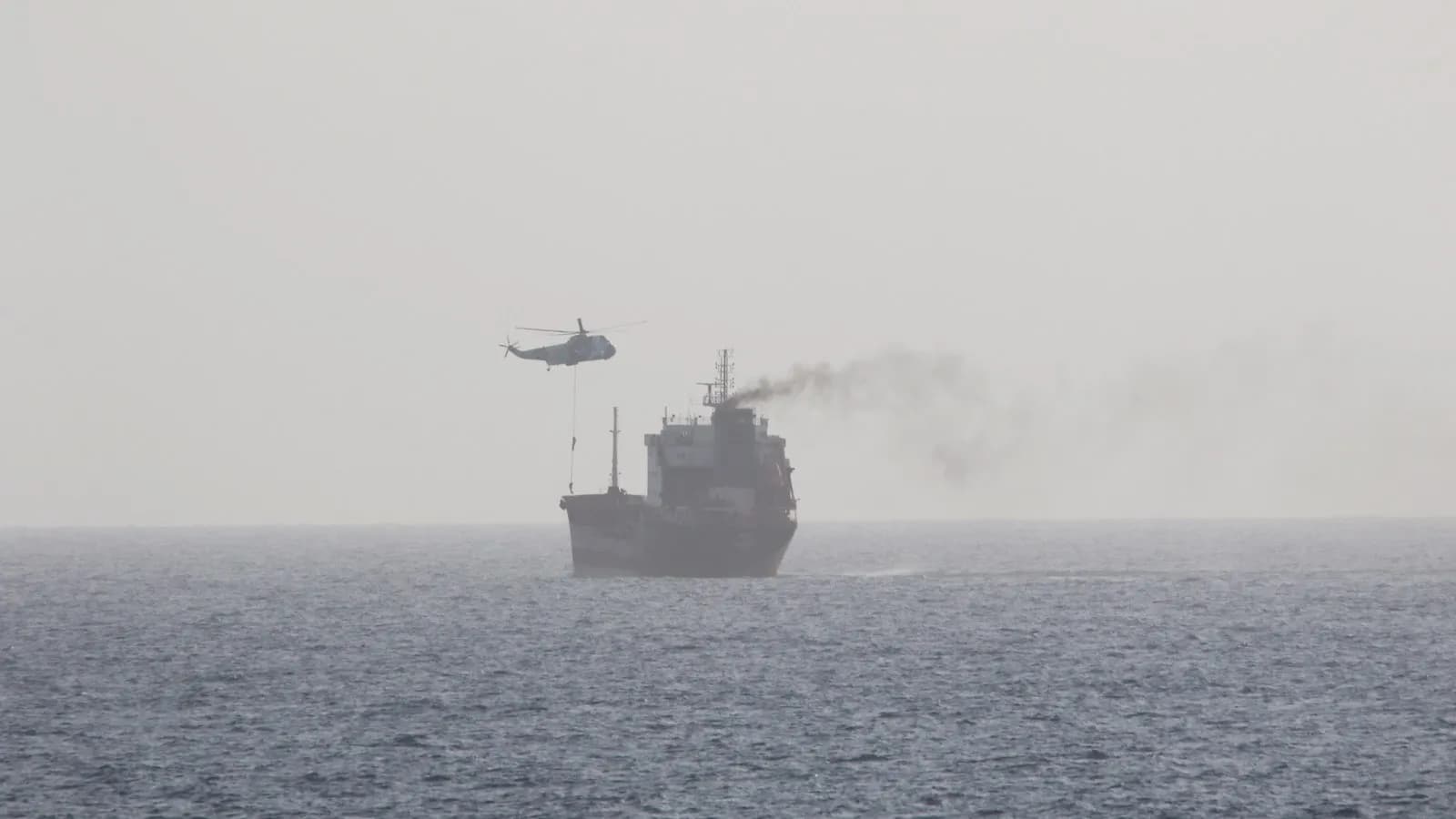
The Strait of Hormuz has now been closed to routine commercial shipping for 187 days, and for most of those days somebody has been reporting that it is about to reopen.
This week it was reopening efforts again, offered alongside renewed hostilities as the two forces pulling on the oil price. It is worth setting that reporting against the only number that settles the question, which is how many ships actually went through.
The count
Six.
That is the transit figure for the most recent day published by the closure tracker, against a pre-crisis baseline of roughly 85 vessels a day. The commodity desk at Trading Economics put Wednesday at the same six, and noted that even the ten day rolling average has fallen to about thirteen.
Both of those numbers matter and they are not the same comparison. Thirteen against six tells you the last fortnight has got worse. Eighty five against six tells you what has been lost.
The caveat the number carries
These counts are built from AIS, the transponder system by which ships broadcast their position, and the tracker says plainly that vessels which stop transmitting are not captured.
That is not a footnote. Going dark is a deliberate act, it is common in contested water, and it means the published figure is a floor rather than a measurement. Real traffic is higher than six. Nobody publishing a number knows by how much.
It cuts both ways, and this is the part that usually goes missing. A dark fleet moving oil through a contested strait is not evidence that the strait is functioning. It is evidence that the traffic which remains is the traffic willing to run without insurance, without a transponder, and without much of a paper trail. That is a different shipping lane from the one that existed in February, carrying different cargo for different buyers at a different price.
Why the reopening story keeps coming back
Because it keeps being partly true.
A ceasefire in early April brought the first reopening. A memorandum of understanding in mid June brought a second, and from around 17 June the strait was open toll free, though traffic never came close to normal. That arrangement broke down in early July after attacks on commercial vessels, and the strait has been effectively shut to routine traffic since.
So the pattern is not that reopening is announced and nothing happens. It is that reopening happens, briefly, at a fraction of former volume, and then stops. Anyone pricing the next announcement should price the last three.
The market appears to be doing exactly that. Implied odds on a return to normal traffic by 15 September sit at one percent. By the end of December they reach twenty eight percent. That is a market saying the near term is settled and the medium term is genuinely open.
What it costs
Brent held above 95 dollars on Friday and was on course for a weekly gain of more than eight percent. It is up about twenty percent on the month and roughly forty six percent on the year.
The knock on is showing up furthest downstream, where it is felt rather than read: United States diesel has reached its highest level since the middle of 2022. Diesel is what moves freight, so a diesel price is a delayed tax on everything that travels by road.
What to watch instead of announcements
The ten day average, not the day.
A single day of thirty transits proves very little, because traffic clusters when a convoy or a lull allows it. A ten day average climbing out of the teens and holding would be the first honest sign that something structural has changed. That is the measure that would have told you the June reopening was real, and it is the measure that would have told you in early July that it had ended.
Our account of the strike that took a tanker and moved Brent through 92 dollars is in the piece from earlier this week, the mining of the approaches is covered in the Larak Island report, and the fuller economic reckoning at the half year mark is in the six month piece.
One more thing is worth saying about the strait, because it explains why the reopening story will keep running. In peacetime about a fifth of the world's oil and liquefied natural gas passes through it. There is no version of the global energy market that can be indifferent to this waterway, which is why every partial reopening is reported as a breakthrough and every collapse is reported as a shock. Neither framing is quite right. It is one long closure with gaps in it.
Published in The Outspoken Digest
Editorial desk
Outspoken Digest Markets DeskReports for The Outspoken Digest across Business, Crypto.
Newsletter
The Digest, in your inbox
One edition, sent when it is ready. No noise, and your address is never passed on.
Read Next
More Business →
Kospi Plunges Almost 8 Percent and the Nikkei Falls 5 Percent as the Tech Sell-Off Spreads to Asia
Oct 15, 2026/2 min read
Hot September Inflation Report Hands the S&P 500 Its Worst Day Since July as AI Stocks Sink
Oct 15, 2026/3 min read

Jio Platforms Sets IPO Price Band at Rs 1,065 to Rs 1,119, Opening Subscription on 21 October
Oct 14, 2026/2 min read

Starbucks Says It Is Not Buying Chipotle, Ending a Four-Day Takeover Story and Costing Chipotle About 4 Percent
Oct 13, 2026/2 min read