The Exchange Stopped Being Between Two Countries and Started Landing in Four Others
American strikes on Revolutionary Guard sites drew missile and drone retaliation aimed at American assets in Bahrain, Jordan, Kuwait and Iraq. Iranian officials report at least eleven dead, including five at a wedding in the south.
Wednesday, September 2, 2026/4 min read
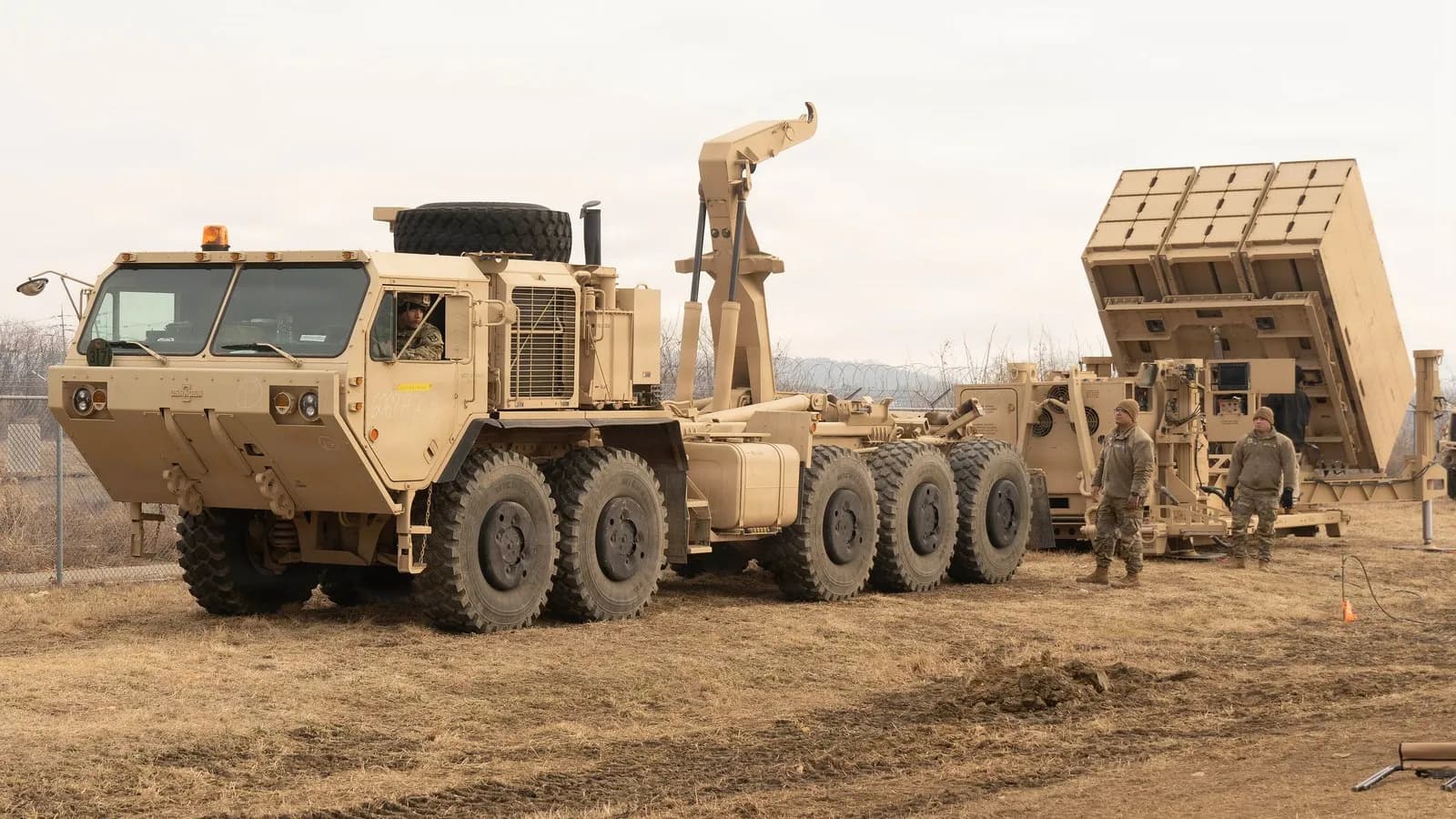
United States Central Command struck Islamic Revolutionary Guard Corps military and communications sites. Iran answered with missiles and drones aimed at American assets in Bahrain, Jordan, Kuwait and Iraq. Iranian officials report at least eleven people killed and dozens wounded, five of them when a bomb fell on a house during a wedding in the south of the country.
Two days ago this was two rocket launchers on an island. The geography has changed faster than the vocabulary used to describe it.
Four countries is the fact that matters
Not because the damage in them was necessarily large, but because of what it does to the shape of the thing.
Bahrain, Jordan, Kuwait and Iraq are not parties to this quarrel. They host American facilities, which is a different matter entirely, and it is the reason missiles fired at Washington land on their territory. Jordan intercepted what came at it. That is a state spending its own air defence, on its own soil, on a fight it did not pick.
A conflict that reaches four uninvolved countries in a night is no longer a bilateral exchange with a regional backdrop. It is a regional war in which two of the participants are the ones doing the shooting.
The wedding
Five people, in a house, at a celebration.
There is a habit in coverage of this kind of writing that a bomb fell, in the passive voice, as though weather were involved. Somebody selected a target, somebody authorised it, and the ordnance went where it went. Whether that was an error in targeting or an error in intelligence is a question with an answer, and the answer usually arrives long after the story has moved on.
We are noting it here because a casualty count that gets folded into a paragraph about strike packages stops being a count of people. Five of the eleven were at a wedding.
What has actually escalated, in order
It is worth laying the sequence out, because each step was small and the sum is not.
A preparation to lay sea mines in the Strait of Hormuz. An American strike on the launchers on Larak Island, which we covered in the piece on the two launchers. Iranian fire at bases in Jordan and the United Arab Emirates. A merchant tanker hit by three unclaimed projectiles while crossing the strait, and shipping traffic falling twelve per cent in a week, which we set out in the piece on the transit data. Now strikes on Guard sites, retaliation into four countries, and civilian deaths.
Six steps. Five days. Nothing reversed.
The rhetoric has changed too, and that is a signal
President Trump said that if Iran retaliated it would be hit again at a much harder and higher level, that this would still not be the biggest attack of them all, that the biggest was waiting in the wings, and that when it was over there would be very little left of the Islamic Republic of Iran.
Threats of that scale are usually read as pressure rather than intent, and they may well be. But a threat to leave very little of a state removes the off ramp that both sides have used for two years, which is the shared pretence that each exchange is proportionate and finite. It is difficult to climb down from a sentence like that without it being visible.
What this means where our readers live
The Gulf states have spent this war trying to be a place where the war is not.
They have kept airspace open, kept ports working, kept tourism and aviation running, and declined to be drawn in, at considerable cost and with more success than most predicted. Missiles now falling toward American installations on their soil is the hardest test that policy has faced, because it makes neutrality a matter of geography rather than of choice.
The practical consequences for residents are the ones we have written before and they have not changed: airspace closures at no notice, rerouting, insurance exclusions, and hours of uncertainty around any incident near a hub. What happened when that went badly is in the twelve days the Gulf was closed, and the aviation cost is in the losses this year.
What we do not know
Almost everything that matters.
Casualty figures at this stage come from one side and are not independently verified. The extent of damage at the struck sites is not established. Claims that American service members were killed have been made and not confirmed. The intercepts in Jordan are reported rather than documented.
Treat every number in this story, including the ones above, as provisional and attributed rather than established. The sequence of events is solid. The arithmetic is not, and will move.
Published in The Outspoken Digest
Editorial desk
Outspoken Digest News DeskReports for The Outspoken Digest across Latest Trends, Sports, Nutrition, Crypto.
Newsletter
The Digest, in your inbox
One edition, sent when it is ready. No noise, and your address is never passed on.
Read Next
More Latest Trends →
Federal Agents Search Rep. Ilhan Omar's Washington Home Three Weeks Before the Midterms, and She Calls It Intimidation
Oct 13, 2026/2 min read
Iran Calls the US Reply on Hormuz 'Inadequate' as Two Indian Seafarers Go Missing After a Tanker Is Hit Off Oman
Oct 13, 2026/2 min read
Trump Declares a Russia-Ukraine 'Energy Ceasefire' and Moscow Keeps Hitting Ukraine's Power Plants, Zelenskyy Says
Oct 13, 2026/2 min read
Saudi Arabia Vows a Serious Response After a Houthi Missile Killed 13 at Riyadh Airport as Trump Weighs Joining
Oct 13, 2026/2 min read