Kerala Ishtu: The Coconut Stew That Was Vegan Before Anyone Needed the Word
A pale, fragrant coconut milk stew from Kerala, built on whole spices and almost no chilli. It is what people eat with appam at breakfast, and it happens to contain no animal products at all.
Friday, September 4, 2026/3 min read

Most vegan cooking in the English-speaking world is defined by absence. Something has been taken out and replaced. A very large amount of the world's cooking is vegan by construction, was never framed that way, and is better for it.
Ishtu is a good example. It is a Kerala stew, the name a local rendering of the English word stew, dating from a period of considerable European contact. It is pale, gently spiced, built entirely on coconut milk, and it contains no dairy because Kerala cooking has always leaned on the coconut rather than the cow.
What makes it different from a curry
Almost no chilli powder, no turmeric, and no browning.
Most Indian dishes familiar outside India are built on a fried, darkened base of onion, tomato and ground spice. Ishtu deliberately avoids all of that. The onions are softened but never coloured. The spices are whole rather than ground. There is no tomato. The result is a stew that is ivory rather than red or brown, and its flavour comes from whole cloves, cardamom, cinnamon, curry leaves and a great deal of ginger.
If your ishtu is beige, you browned something. Start again on a lower heat.
What you need
For four.
- 2 tbsp coconut oil
- 2 onions, sliced into half moons
- 4cm ginger, julienned
- 4 cloves garlic, sliced
- 2 green chillies, slit lengthways, not chopped
- 20 fresh curry leaves
- 4 cloves, 4 green cardamom pods, 1 small cinnamon stick, 8 black peppercorns
- 3 medium potatoes, in large chunks
- 2 carrots, thick diagonal slices
- 100g green beans, in lengths
- 150g peas
- 400ml thin coconut milk, or full-fat diluted half and half with water
- 200ml thick coconut milk, for the end
- Salt
The method
Warm the coconut oil on a medium-low heat and add the whole spices. Wait until the cardamom puffs slightly and the cloves smell sweet, about a minute.
Add the onions, ginger, garlic, chillies and curry leaves, and cook gently for eight to ten minutes with a pinch of salt. You want them completely soft and still white. Lower the heat if they start to colour.
Add the potatoes and carrots and the thin coconut milk, bring to a bare simmer, cover, and cook for fifteen minutes until the potato is nearly tender. Add the beans and peas and give them another five.
Now take the pan off the heat before adding the thick coconut milk. Stir it in, then return to the lowest possible heat just to warm through.
This is the one rule that matters. Boiled coconut milk splits, and once it has split into grainy curds and oil there is no fixing it. Every ruined coconut curry in history has the same cause.
Check the salt and let it sit for ten minutes before serving, which lets the whole spices carry into the liquid.
What to eat it with
Appam traditionally, which are fermented rice and coconut pancakes with lacy edges and a soft centre. Idiyappam, string hoppers, are the other classic. Plain rice is fine, and so is good bread, which is not traditional and works because the stew is essentially a fragrant chowder.
Notes
Whole spices are left in and eaten around, which is normal in this style of cooking. Warn anyone unfamiliar, because biting a clove is memorable.
The chillies are slit rather than chopped so they perfume the stew without making it hot. Ishtu is not a hot dish, and if you want heat you are cooking something else.
Curry leaves are not a substitute for bay and there is no replacement. Use them fresh if at all possible, freeze what you do not need, and skip them rather than substituting.
The same coconut-forward logic in a completely different register is in the tempeh recipe, and the argument for cooking plants as themselves rather than as replacements is in this piece.
Published in The Outspoken Digest
Editorial desk
Outspoken Digest Food DeskCooking, ingredients, restaurants and the economics of what ends up on the table.
Newsletter
The Digest, in your inbox
One edition, sent when it is ready. No noise, and your address is never passed on.
Read Next
More Recipes →
Swangy Tamarind Glazed Chicken Wings for the Flavour Replacing Swicy on Fast Food Menus
Sep 29, 2026/3 min read

Baked Apple Cider Doughnuts for a Cider Season That Peaked Earlier Than the Calendar Says
Sep 29, 2026/3 min read
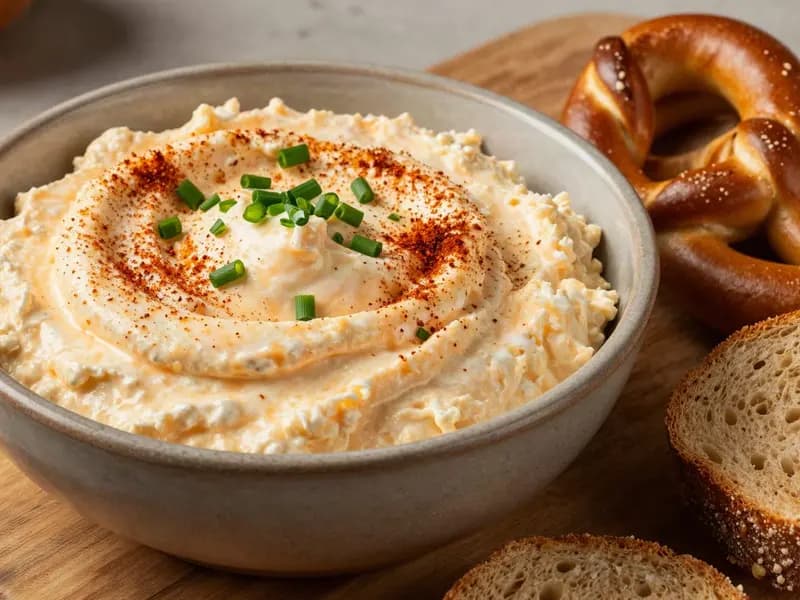
An Obatzda Bavarian Beer Cheese Dip for the Final Stretch of Oktoberfest 2026
Sep 29, 2026/3 min read