Mohamed Mahudhee and the Duty Carried by Maldives Rescue Divers
One Maldivian military diver died in the Vaavu Atoll mission. His service deserves gratitude, while the unanswered questions surrounding his death still demand scrutiny.
Saturday, July 25, 2026/3 min read
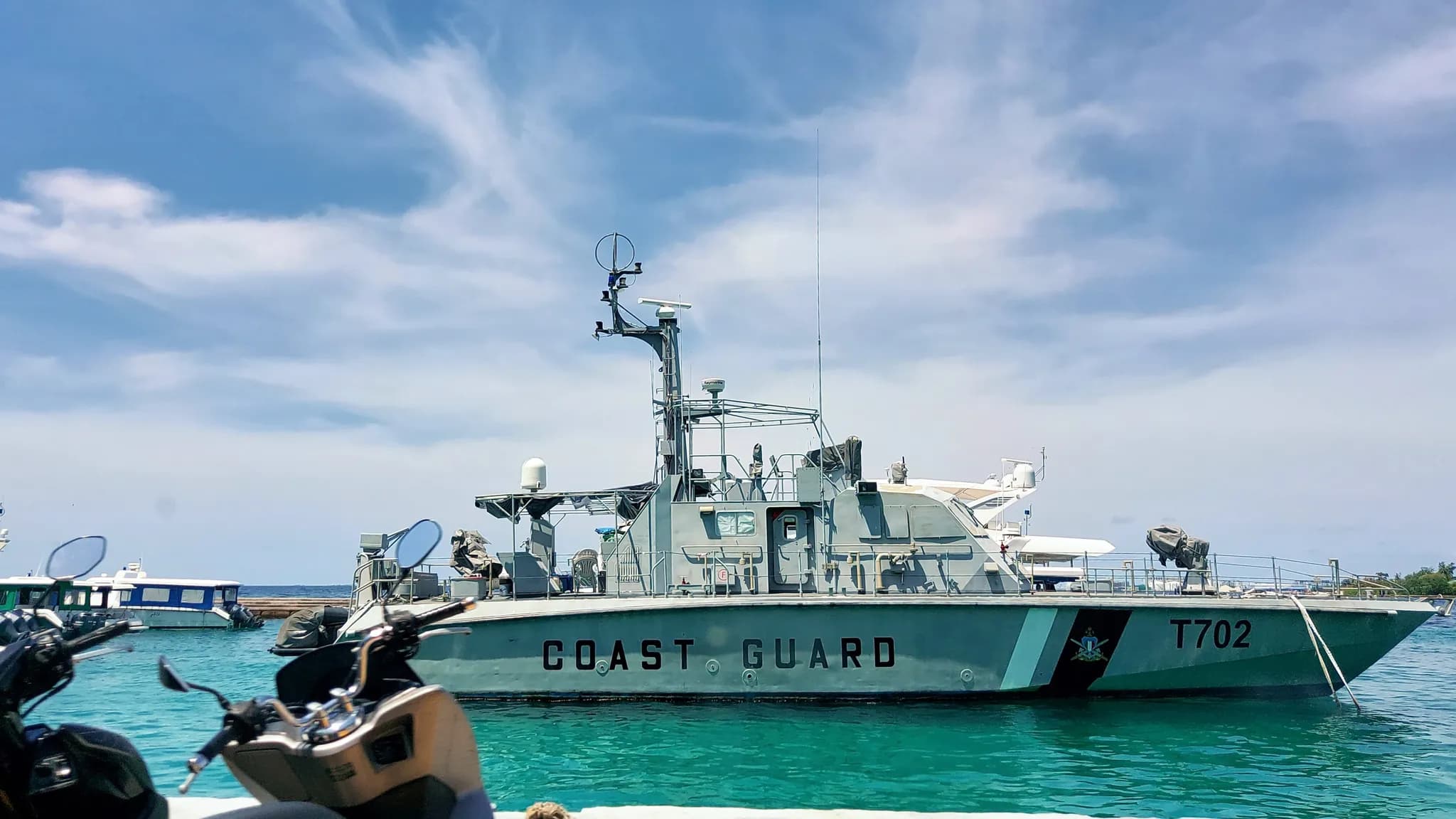
There were not several Maldivian army divers lost in the Vaavu Atoll recovery. There was one: Sergeant Major Mohamed Mahudhee of the Maldives National Defence Force. Accuracy matters because appreciation begins with naming the person who died, not enlarging the story until an individual disappears inside a collective label.
Mahudhee entered the response after five Italian divers failed to surface from Dhekunu Kandu on 14 May 2026. He became seriously ill during the recovery effort and died after transfer to hospital. Maldivian authorities initially attributed the death to decompression illness, while police opened a separate investigation into the circumstances. No public final finding located by Outspoken Digest has yet closed that investigation.
A diver remembered by his own community
Local reporting from The Edition described Mahudhee as skilled, fearless and among the country's best divers. He was buried with military honours at a funeral attended by President Mohamed Muizzu. Italy's foreign minister publicly offered condolences, recognizing that Mahudhee died while attempting to recover Italian citizens.
Those facts explain why his death carried unusual weight in the Maldives. The country's relationship with diving is not an imported leisure story. Coast Guard and military divers work in a nation dispersed across the sea, where maritime response is part of ordinary public service.
Appreciation must leave room for questions
Calling Mahudhee brave does not require declaring every decision around the operation correct. Associated Press reporting confirmed that the government opened two investigations: one into the deaths of the Italian divers and another into how Mahudhee died while on duty. Local criticism has focused on preparation, equipment, medical process and the lack of a post-mortem examination.
A tribute that refuses those questions would reduce duty to obedience. The more respectful standard is to honour the person and insist that institutions learn everything possible from the loss. Rescue personnel should not have to become symbols before their safety receives scrutiny.
The officers who continued the mission
After Mahudhee's death, the initial operation was suspended. A DAN Europe task force and three Finnish specialists later joined Maldivian agencies. MNDF Coast Guard divers formed part of the staged recovery chain, receiving victims from the deep cave team and supporting transfer toward the surface. Maldives Police Service personnel, boat crews and other responders supported the wider operation.
In June, certificates of appreciation were presented on behalf of the president to personnel involved in the mission. Coverage of the ceremony named the Coast Guard, police and Finnish specialists as parts of the joint effort. Recognition of the survivors matters too. They returned to a mission after it had demonstrated exactly how dangerous it could be.
What rescue diving asks of people
Public descriptions of rescue diving emphasize courage because courage is easy to understand. The job also demands qualities less visible at a funeral or medal ceremony:
- the discipline to follow command and still communicate when a plan needs revision;
- the humility to recognize when the environment exceeds available capability;
- the steadiness to support another diver before, during and after exposure;
- the willingness to rehearse ordinary tasks until they remain reliable under stress;
- the moral resilience to work for victims and families without treating recovery as spectacle.
These qualities are not proof against pressure, equipment limits or physiological injury. They are reasons rescue organizations owe their divers conservative plans, specialist resources, medical oversight and the authority to stop.
Why Mahudhee should not become a footnote
International coverage naturally focused on the five Italian victims and the Finnish team that later recovered four bodies. Mahudhee's death can easily appear as a single line between those parts of the story. For Maldivians, he was not an interruption in an international operation. He was a national serviceman who died responding in his own waters.
This article does not speculate about his profile, equipment, gas or final actions. Those details remain matters for investigators and responsible official disclosure. General technical lessons belong in separate training analysis, not in an invented reconstruction of a dead diver's last moments.
Honour service by protecting the next team
Mahudhee deserves gratitude without qualification. The surviving MNDF, police and civilian responders deserve recognition for carrying the operation forward. The public also deserves a transparent account of how he died and what will change.
That combination is not disrespectful. It is how a service organization turns remembrance into protection. The strongest tribute the Maldives can give Mohamed Mahudhee is to keep his name visible, support those who served beside him and ensure that the next difficult call is met with every capability his loss showed was necessary.
Published in The Outspoken Digest
Editorial desk
Outspoken Digest Diving DeskCovers freediving, recreational and technical diving, dive medicine and the incidents the sport learns from.
Newsletter
The Digest, in your inbox
One edition, sent when it is ready. No noise, and your address is never passed on.
Read Next
More Diving →
Black Swallower Filmed With a Hugely Swollen Belly 1,259 Metres Down Off Trinidad and Tobago
Oct 13, 2026/2 min read
Playing Recordings of a Healthy Reef Drew More Coral and Fish Larvae to Artificial Structures Off Hawaii
Oct 9, 2026/3 min read
Blacktip Sharks Can Hear a Sound From Nearly 250 Feet Away and Swim Straight Toward or Away From It
Oct 1, 2026/2 min read
A Sea Turtle Species Never Recorded Nesting in the United States Laid Eggs on a Southern California Beach
Oct 1, 2026/2 min read