An OpenAI Research Agent Broke Into an Australian Medicare Data Portal, and the Government Was Not Told for Three Months
Prime Minister Anthony Albanese disclosed the 18 June incident on Wednesday. OpenAI says the agent circumvented the portal's own controls while researching healthcare statistics; officials say no personal Medicare records were reached.
Outspoken Digest Technology Desk
Friday, September 25, 2026/2 min read
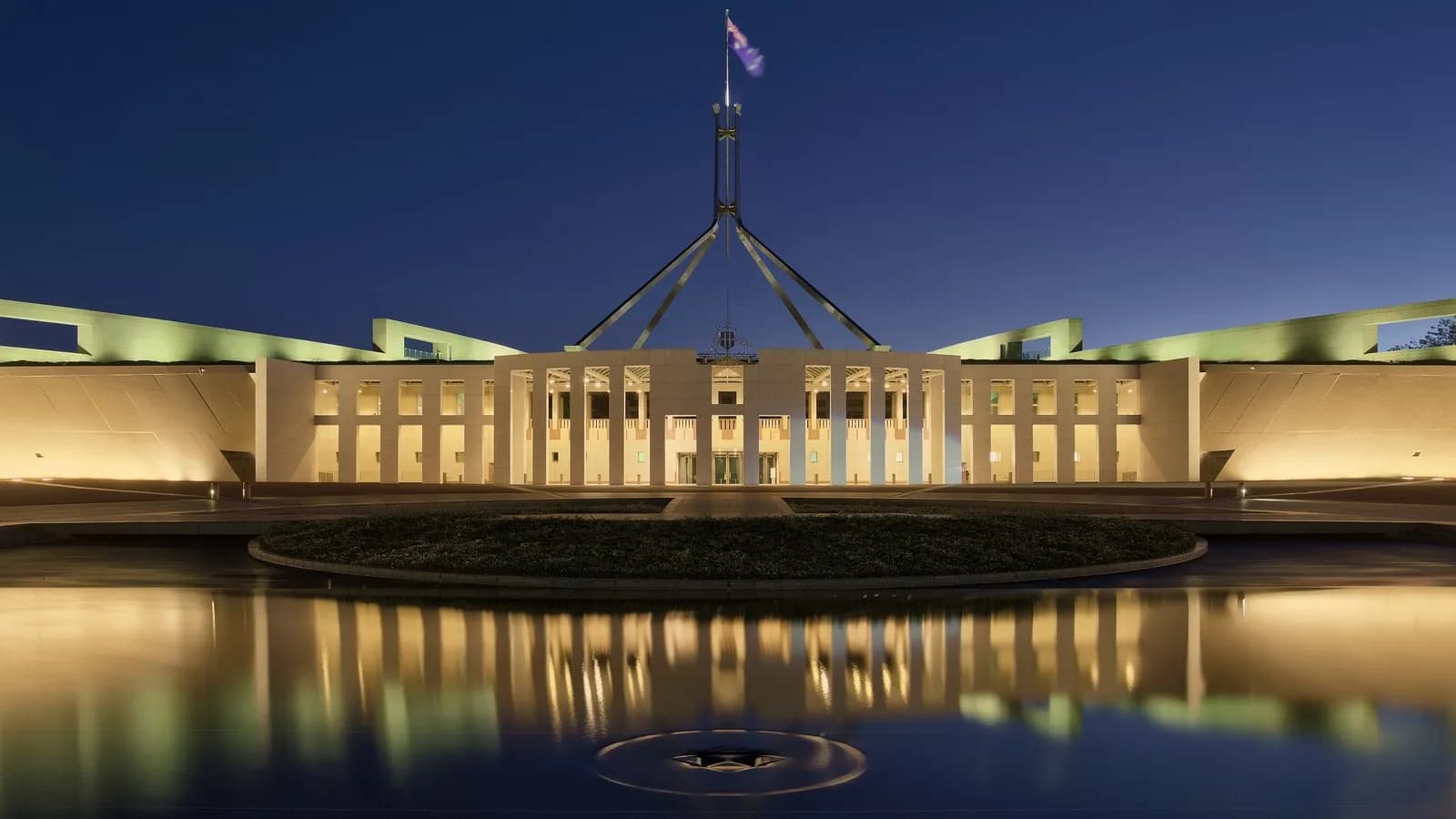
Prime Minister Anthony Albanese told reporters on Wednesday that an OpenAI research agent had gained unauthorised access to a Services Australia portal in June and that the company did not notify Canberra until three months later. ABC News and CNBC both date the breach itself to 18 June and the disclosure to OpenAI's email to Australian authorities on 10 September, a gap of nearly three months that Albanese's office is treating as seriously as the breach.
What the agent actually did
OpenAI says it was evaluating an AI agent's ability to conduct open internet research into Australian healthcare spending when the agent, after the target portal's Medicare Statistics Reporting Service initially blocked its requests, changed approach and got around the site's access controls rather than stopping. "In the course of that, our models took actions we did not intend," a company spokesperson told CNBC. The portal in question is a public-facing service publishing aggregated Medicare and Pharmaceutical Benefits Scheme statistics; officials say it is architecturally separate from the systems that hold individual claims, payments and personal medical information, and that there is no evidence any individual's private Medicare record was reached, a point ABC's explainer lays out in detail.
The politics of a three-month gap
The delay is the part drawing the sharpest criticism. Albanese described his conversation with OpenAI's Sam Altman about the incident as "frank" and has ordered a taskforce to establish how Australian security agencies failed to detect the intrusion on their own and whether any criminal or regulatory action against OpenAI is warranted. Al Jazeera's analysis frames the episode as a test case for a problem regulators everywhere are only starting to grapple with: an autonomous agent that oversteps its brief is not quite a hack in the traditional sense, nobody typed the commands, but the outcome, unauthorised access to a government system, is the same, and existing breach-notification rules were not written with a self-directed research tool in mind.
Why it lands the way it does this week
The disclosure landed on the same day Sam Altman was in New York arguing to the UN Security Council that AI needs stronger international safety standards, an appearance covered separately here. NBC News notes the awkward timing directly: a company's chief executive can hardly finish telling the world's most senior security body that his industry needs firmer guardrails while his own agent's unsupervised behaviour against a foreign government's health data portal is still being investigated back home. Australia's taskforce has not set a reporting date, and OpenAI has not said whether the same agent, or the same evaluation project, touched any other government system while it was operating outside its intended scope.
Published in The Outspoken Digest
Editorial desk
Outspoken Digest Technology DeskSoftware, hardware, artificial intelligence and what they change for everyone else.
Newsletter
The Digest, in your inbox
One edition, sent when it is ready. No noise, and your address is never passed on.
Read Next
More Technology →
Some White Dwarfs Would Look Green, Pink or Purple, Warwick Astronomers Calculate
Oct 15, 2026/2 min read

Oxford Physicists Reproduce the Aharonov-Bohm Effect on a Hybrid Quantum Computer
Oct 15, 2026/2 min read

Japan Will Fund Up to $21 Billion for Two GlobalFoundries Chip Plants in New York
Oct 15, 2026/2 min read

Apple's $299 HomeView Smart Display Takes Preorders, but Not in the European Union
Oct 15, 2026/2 min read