PISA 2025: Fifteen-Year-Olds Across the Rich World Read Worse Than Any Cohort the OECD Has Measured
Reading scores across the OECD have fallen 28 points in a decade, about a year and a half of schooling, and maths 22. One in five students is now a low performer in all three subjects. The largest PISA ever, and the sharpest fall came in the last three years.
Thursday, September 10, 2026/3 min read
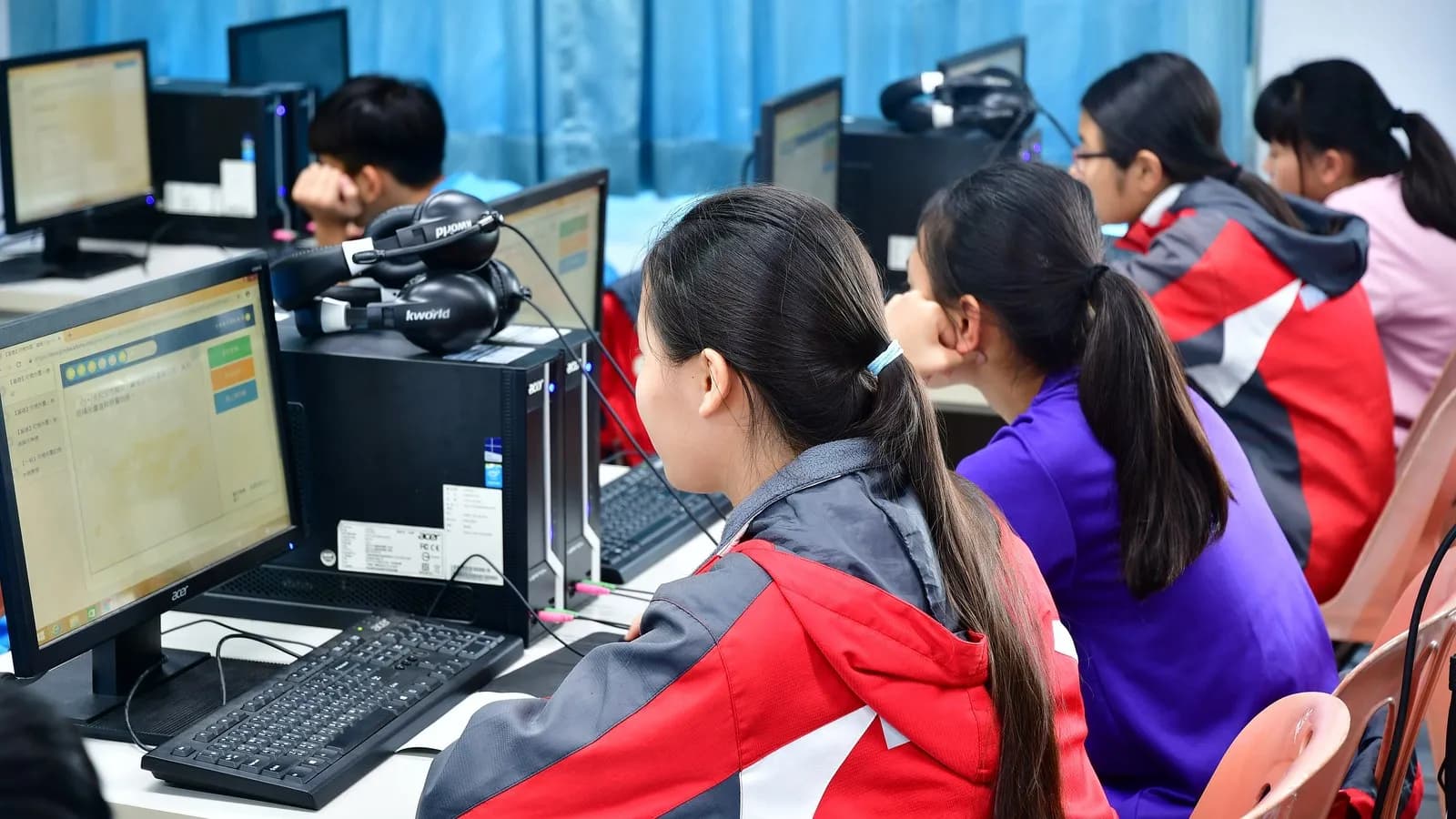
Every three years the OECD sits several hundred thousand fifteen-year-olds down in front of the same tests in reading, mathematics and science, and every three years governments spend a week explaining the results. The 2025 round, published on Tuesday, will take longer than a week to explain. It is the largest PISA yet, covering 760,000 students in 91 countries and economies, and it records the lowest average performance in reading and mathematics the programme has ever measured.
The numbers
Across OECD countries, reading scores have fallen 28 points since 2015, which the organisation equates to roughly a year and a half of schooling. Mathematics has fallen 22 points, a little over a year. The steepest part of the decline is recent: reading fell 14 points between 2022 and 2025 alone, the sharpest three-year drop in the series. One in five fifteen-year-olds across the OECD is now a low performer in all three subjects, up from sixteen per cent in 2022, which means a fifth of the cohort cannot reliably read a text of moderate complexity and draw a conclusion from it.
The top of the table is familiar. Singapore leads, followed by the four Chinese provinces that take part as one system, then Estonia, Japan, Korea, Macao, Chinese Taipei and, notably, the United Kingdom, the one large European system in the top group. The United States is above the OECD average in reading and science and at it in mathematics, and did well in a new test of computational problem solving, though its own reading score also fell.
What is being blamed
The pandemic was the explanation for the 2022 results, and it no longer fits: the students tested in 2025 were ten or eleven when schools closed and have had several years of ordinary schooling since. The OECD's own framing this time is about demands on young people rising as their capacity to meet them falls, and the discussion around the release has centred on screens. Much of the commentary around the release pointed at phones in classrooms, and the correlation in PISA's own survey data between heavy recreational device use and lower scores has been strong for two rounds. Correlation is not the same as cause, and the countries that have banned phones in schools did so too recently for this round to test the policy. But the direction of the argument is set, and the next three years of education policy across the rich world will be spent on attention.
Why it matters beyond the league table
PISA measures fifteen-year-olds, which means it measures the workforce of 2035. A cohort that reads a year and a half behind the one before it enters universities, apprenticeships and jobs with less, and the tools that are supposed to compensate, from generative writing assistants to summarisers, are themselves a suspected cause. The OECD did not say that in so many words. It did not need to.
The Gulf states test in PISA and their detailed results will be picked over in the coming days; the UAE has spent a decade and a great deal of money climbing the table and is unlikely to be immune from a global fall. Our earlier reporting on the changes to the UAE school year, and on what an education system built for abundant information rather than scarce information might look like, is in the piece on the 2026-27 restart and our essay on schools and abundant knowledge. PISA 2025 is the first hard evidence that the second of those is not an academic question.
Published in The Outspoken Digest
Editorial desk
Outspoken Digest News DeskReports for The Outspoken Digest across Latest Trends, Sports, Nutrition, Crypto.
Newsletter
The Digest, in your inbox
One edition, sent when it is ready. No noise, and your address is never passed on.
Read Next
More Latest Trends →
Lapid Says He Does Not Trust Netanyahu Not to Strike Iran Before Israel's 27 October Election
Oct 18, 2026/2 min read

Hormuz Ship Attacks Hit a Weekly Record as Iran Says a Supertanker Struck a Mine
Oct 18, 2026/2 min read
Trump Waives New Russia Sanctions and Tariffs Two Days Before They Were Due, the Second Waiver in Two Weeks
Oct 18, 2026/2 min read

Roughly Half a Million March Across France as Student Anger Over Schools Merges With Fuel Price Fury
Oct 18, 2026/2 min read