Color and Craft Return to Interior Design
Maximalism is officially strategic. 2026 designers pair bold jewel tones with intentional craftsmanship, ditching minimalism for rooms that demand attention and touch.
Wednesday, July 10, 2024/3 min read
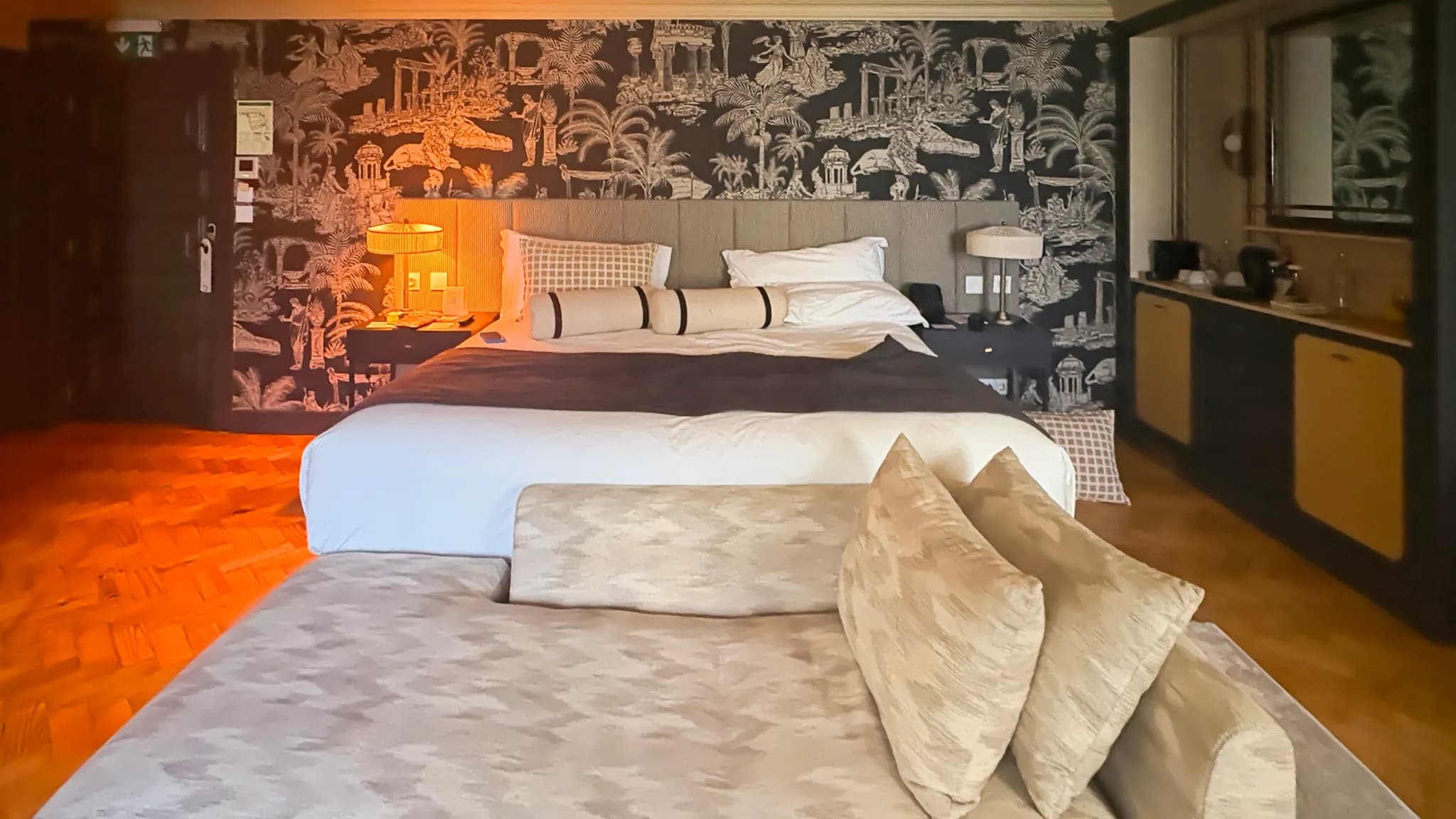
Minimalism got tired. After a decade of white walls, negative space, and the austere promise that less equals more, designers are openly rebelling. The counter-movement isn't chaos. It's maximalism with intention, color applied with strategy, and craft treated as non-negotiable.
The data confirms the shift. Designer surveys show maximalism and eclecticism as the top two requested styles, with 39% and 38% adoption rates respectively. This isn't Instagram aesthetics run wild. It's a thoughtful reclamation of pattern, color, and handmade detail as markers of genuine living.
Maximalism grows up in 2026
The mistake people make about maximalism is assuming it means clutter. Modern maximalism is the opposite. It means intentional layering, sophisticated color combinations, and a commitment to quality over quantity. Each piece earns its place through either beauty, function, or narrative weight.
Color is the primary tool. Deep forest greens, terracotta, and chocolate brown dominate design boards, but the real movement is toward emotionally rich palettes that feel grounded rather than frivolous. According to 2026 design surveys, chocolate brown ranks as the top trending color at 33%, with designers moving away from all-white walls and sterile neutrals entirely.
The tactile revolution: texture as primary design language
Craft is back as a defining feature. That means boucle fabrics, hand-thrown ceramics, woven wall hangings, and surfaces that demand to be touched. The design community calls this the Tactile Revolution: treating texture as the primary neutral rather than color.
This reversal changes how rooms function. A sofa becomes more than seating. It's a composition of boucle fabric in cream, velvet throw pillows in rust, and a linen blend blanket that invites engagement. Layer multiple rugs in varying textures. Mix wood tones. Combine matte and glossy finishes on the same wall.
Sustainable craftsmanship as luxury
The craft revival connects directly to sustainability. Rather than replacing furniture, 2026 interiors prioritize pieces built to last, often from independent makers or heritage brands. This represents a philosophical shift from consumption to curation.
Design professionals emphasize that craftsmanship-driven details are shaping how we live in our homes in 2026, with clients moving away from minimalism and embracing maximalist comfort. Rooms now feature multiple seating areas, layered rugs in varying textures, and throws that break up monochromatic schemes.
Pattern and personality as status markers
Wallpaper has returned as a statement tool, often applied not just to walls but to ceilings and architectural features. Geometric patterns, botanical prints, and bold abstract designs replace the beige silence of minimalism. Color coordination happens in unexpected ways: a terracotta wall pairs with deep green curtains, olive trim, and rust-colored ceramic pieces.
This approach reads as confident rather than chaotic. It signals that the inhabitant knows what they like and refuses the default palette. Personal taste, previously suppressed in favor of universal appeal, becomes the organizing principle for the entire room.
Vintage and antique as anchors
Survey data shows vintage and antique pieces rank high among designer choices for 2026. These aren't thrifted decorative items. They're functional pieces with history: a mid-century credenza, an antique mirror, a grandmother's cabinet refinished in a bold color. They ground spaces in time and personal narrative.
The combination works like this: new maximalist interiors treat vintage and antique pieces as design anchors, then build contemporary texture and color around them. A 1970s wooden dresser becomes the foundation. Contemporary art hangs above it. A modern textile in jewel tones drapes across the wall behind. The effect feels collected and lived-in rather than purchased as a set.
The return of personality
What 2026 design really represents is permission to stop apologizing for having opinions. After years of neutral everything, rooms are finally allowed to be specific about their occupants, their aesthetic commitments, and their visual priorities.
The craft and color movements aren't trends that will pass. They reflect a deeper shift toward sustainability, individuality, and the recognition that our spaces should feel like home, not like hotel rooms waiting for guests who never arrive.
Published in The Outspoken Digest
Newsletter
The Digest, in your inbox
One edition, sent when it is ready. No noise, and your address is never passed on.
Read Next
More Design →
Drew Henry Reset Courreges for Spring 2027 With a Pared-Back Debut at the Palais de Tokyo
Oct 1, 2026/3 min read

Choosing Light Bulbs: Lumens, Kelvin and Colour Rendering Explained, Room by Room
Sep 21, 2026/3 min read
The Bench With the Extra Armrest Is Not Being Thoughtful About Your Posture
Sep 2, 2026/4 min read