The Ear Problem Nobody Teaches You Is the One That Happens on the Way Up
Descent equalisation is drilled into every open water student. Reverse block, where expanding gas cannot escape the middle ear or sinus on ascent, gets a sentence in the manual and is considerably harder to manage.
Saturday, September 5, 2026/3 min read
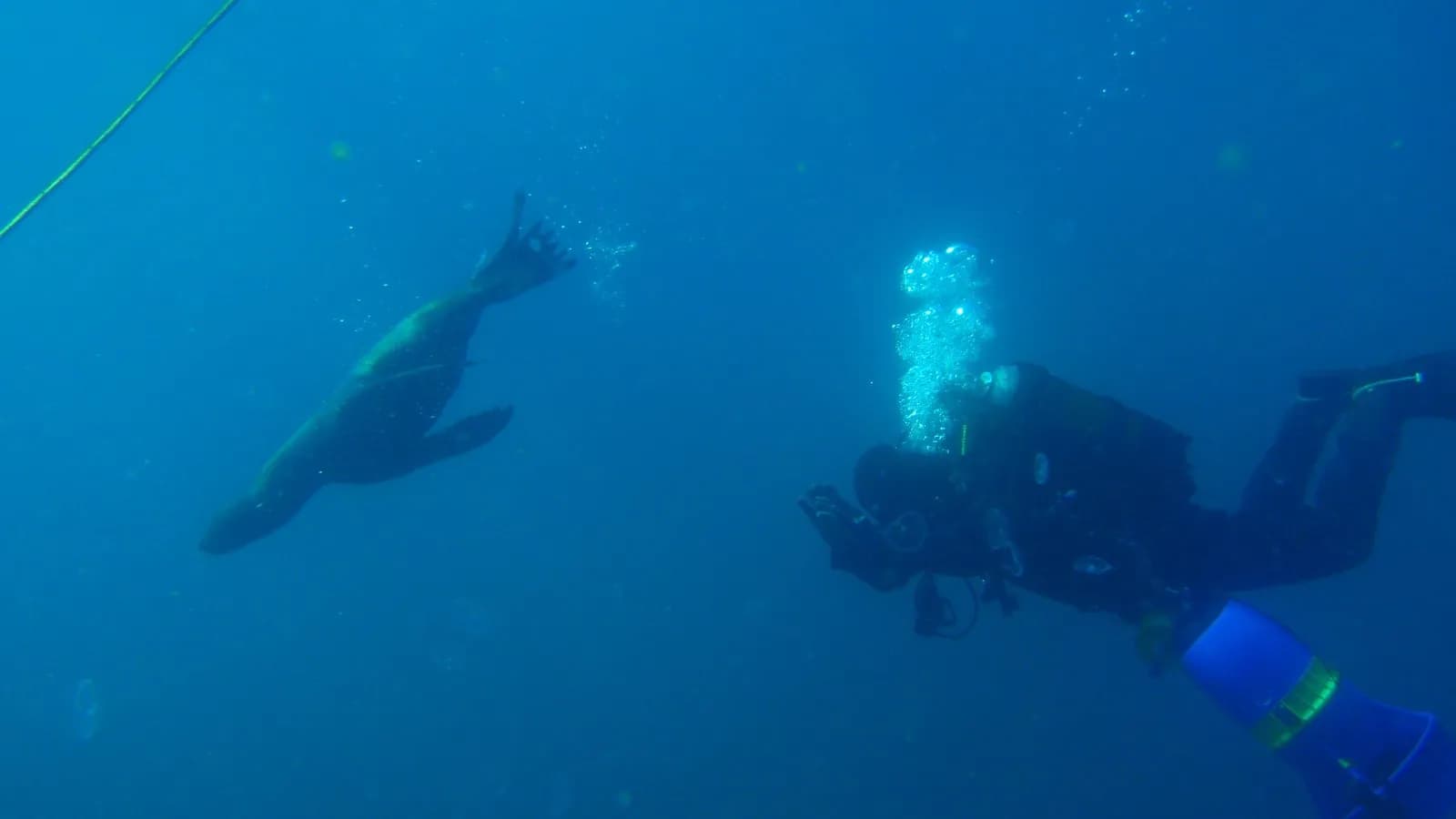
Every diver is taught to equalise on the way down. Pinch, blow gently, descend slowly, and if it will not clear, go up a little and try again. It is the first real skill in the sport.
Far less attention goes to the mirror image, which is what happens when gas expanding in an air space on ascent cannot get out. It is called a reverse block, and it is worse than the descent problem for one structural reason: on the way down you can always stop by going up, and on the way up you eventually have to surface.
The mechanism
Boyle's law works in both directions.
On descent, ambient pressure rises and the gas in your middle ear contracts, pulling the eardrum inward. You add gas through the Eustachian tube to balance it.
On ascent, ambient pressure falls and that gas expands. Normally it vents out through the Eustachian tube passively, and you do not notice. If the tube is swollen, congested or plugged with mucus, the gas cannot escape and pushes the eardrum outward instead.
The same applies to the sinuses, which vent through narrow ostia that block easily, and occasionally to a tooth with a defective filling or an untreated cavity trapping a small pocket of gas.
What it feels like
Increasing pressure or pain as you rise, which is the opposite of the pattern divers expect and is therefore often misread.
Sinus reverse block typically presents as pain across the forehead, cheeks or behind the eyes, and frequently a nosebleed on the surface as the blocked sinus finally clears.
The genuinely frightening variant is alternobaric vertigo. If one ear vents and the other does not, the pressure difference between the two sides drives a mismatch in vestibular signals, and the diver experiences sudden spinning. Underwater, disoriented, on ascent, in the dark or in poor visibility, that is a serious situation. It usually resolves within seconds to a couple of minutes as the pressure equalises.
What to do
Stop ascending. This is the whole answer and it is difficult to remember while your head hurts.
Descend a metre or two. That recompresses the trapped gas and the pain usually eases immediately, which is confirmation of the diagnosis as well as relief.
Then ascend extremely slowly, a few centimetres at a time. Try gentle jaw movement, swallowing, or moving the head from side to side, which sometimes opens a blocked tube. Do not perform a forceful Valsalva, which pushes gas in the wrong direction and can make the block worse.
If you have vertigo, hold onto something. A line, a wall, your buddy. The spinning will pass and the immediate danger is disorientation rather than the block itself.
Watch your gas. This is where reverse block turns into a real emergency, because you are consuming supply while stalled at depth. If gas is running low, a slow ascent accepting some pain is the lesser risk than an out of gas ascent, and this is a judgement call that a diver in pain is poorly placed to make well, which is an argument for surfacing with more reserve than you think you need.
The decongestant trap
Many divers with a mild cold take a decongestant so they can dive. This is where reverse block most often comes from.
A decongestant that shrinks the tissue lets you descend comfortably. If it wears off during the dive, and many have a duration shorter than a two-tank morning, the tissue swells again while you are at depth and you now cannot vent on ascent. Some decongestants also produce a rebound swelling worse than the original congestion.
The safer position is the boring one. Do not dive with a cold or blocked sinuses. A dive is not worth a perforated eardrum, and a perforated eardrum underwater can flood the middle ear with cold water and cause immediate severe vertigo.
Afterwards
See a doctor if pain persists after surfacing, if you have blood from the nose or ear, if hearing is muffled for more than a short while, or if vertigo continues.
Middle ear barotrauma is graded by the appearance of the eardrum and mostly recovers with time and avoiding diving. A perforation needs proper assessment. Persistent vertigo after diving also needs to be distinguished from inner ear decompression sickness, which is a different and more urgent problem, and that distinction is for a doctor rather than a dive guide.
The descent side of this, and the techniques that make it work, is covered in our piece on equalisation, and the medical assessment that should precede any of it is in the fitness to dive piece.
Published in The Outspoken Digest
Editorial desk
Outspoken Digest Diving DeskCovers freediving, recreational and technical diving, dive medicine and the incidents the sport learns from.
Newsletter
The Digest, in your inbox
One edition, sent when it is ready. No noise, and your address is never passed on.
Read Next
More Diving →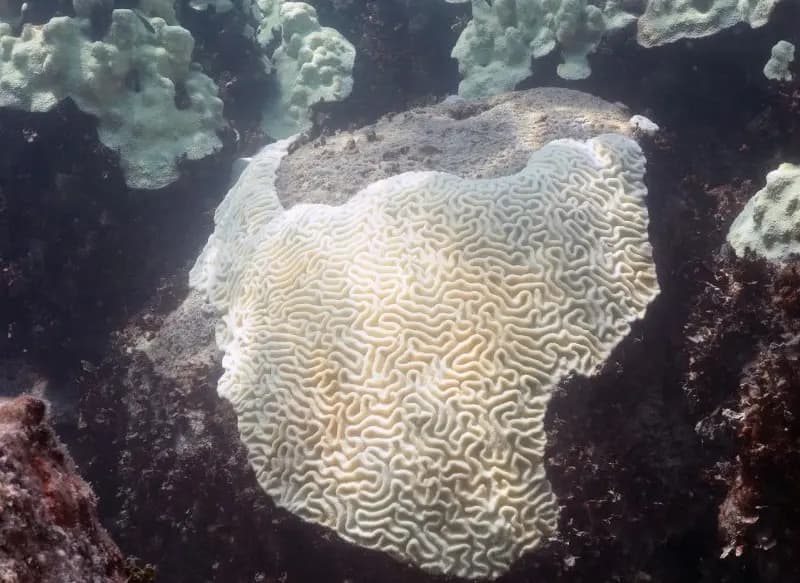
Bleached Corals Recovered After Touching a Healthy Clone, Stanford Lab Study Finds
Oct 15, 2026/2 min read
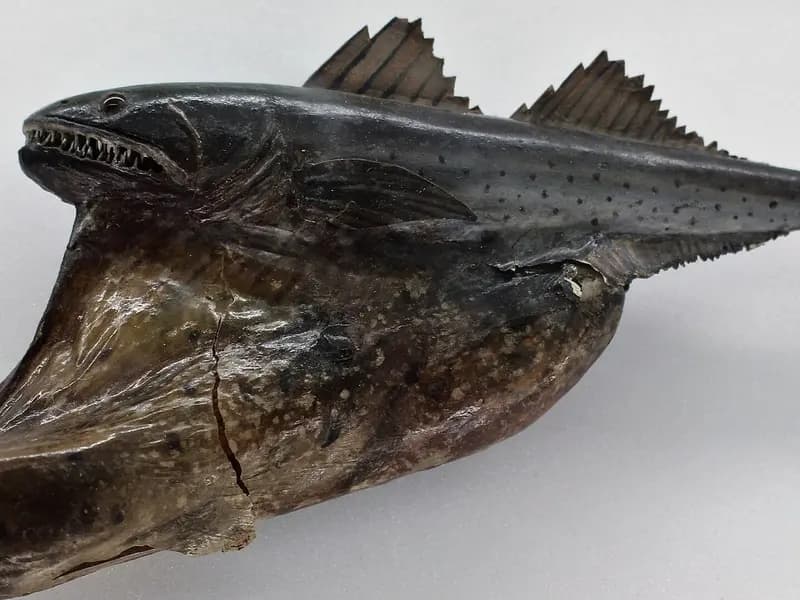
Black Swallower Filmed With a Hugely Swollen Belly 1,259 Metres Down Off Trinidad and Tobago
Oct 13, 2026/2 min read

Playing Recordings of a Healthy Reef Drew More Coral and Fish Larvae to Artificial Structures Off Hawaii
Oct 9, 2026/3 min read

Blacktip Sharks Can Hear a Sound From Nearly 250 Feet Away and Swim Straight Toward or Away From It
Oct 1, 2026/2 min read