Sustainable Materials Are Reshaping Product Design
Mycelium leather, recycled composite decking, and bio-based textiles are moving from laboratory experiments to actual products. Here's what's actually working.
Thursday, May 22, 2025/3 min read
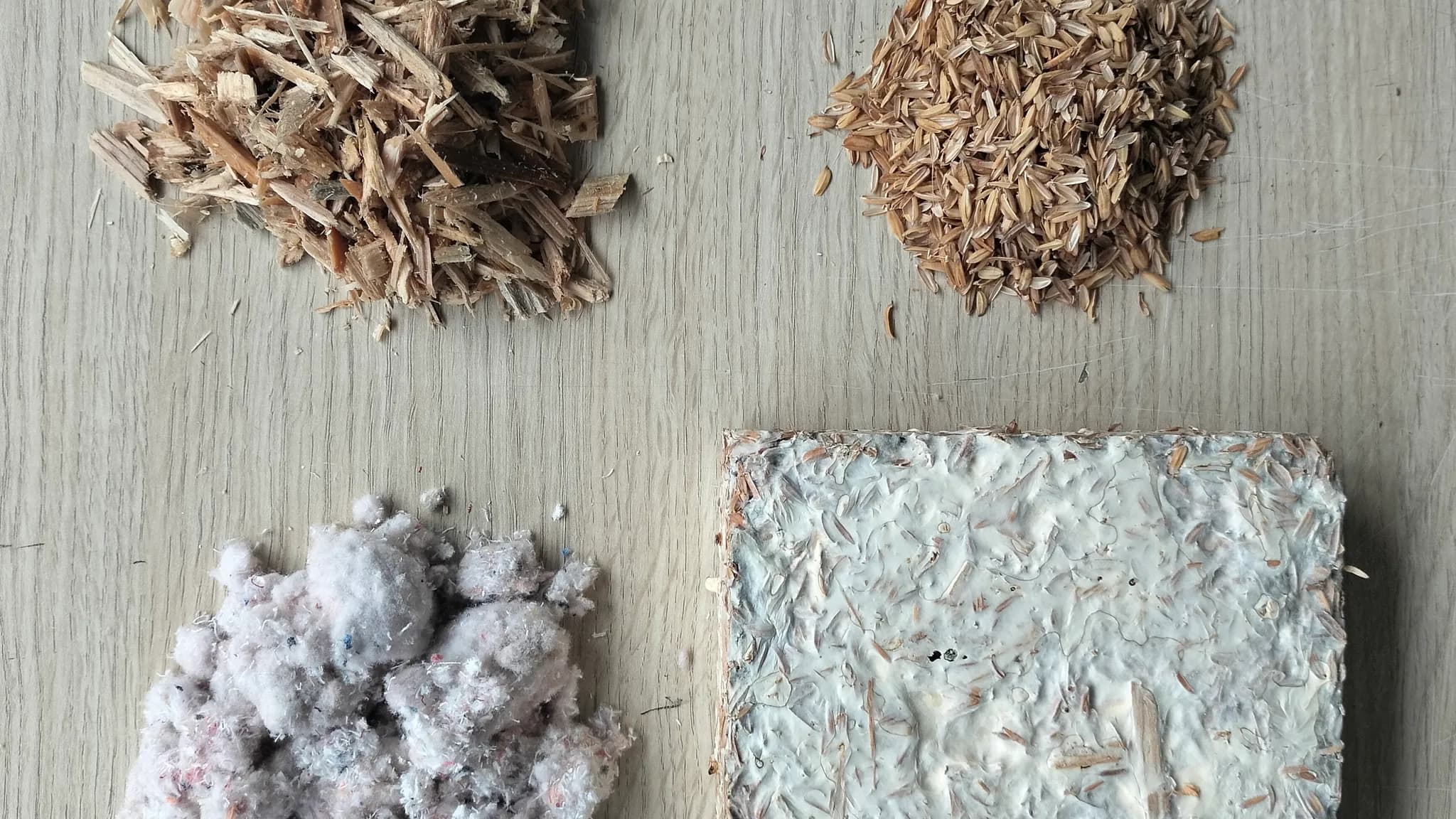
Product designers used to treat sustainability like a checkbox. Use recycled materials, print that on the label, move on. That era is ending. The current wave of sustainable product design isn't about looking good to consumers. It's about fundamental material innovation that actually delivers better performance than traditional alternatives.
The shift is driven by necessity and capability. Petroleum-based synthetics are expensive and environmentally destructive. New material science has cracked code that makes sustainable alternatives not just viable but genuinely superior in specific applications.
Mycelium composites: the unexpected agricultural star
Start with the surprising one: mycelium. This is the root network of mushrooms, turned into a composite material by combining it with agricultural waste. Mycelium-based composites use agro-industrial waste and fungal networks as a binding agent, creating insulating material for acoustic panels and interior design applications.
The practical advantage is staggering. Traditional composite materials require toxic binders and petroleum-based resins. Mycelium grows as a natural adhesive, binding agricultural residue into solid form without chemicals. The resulting material is biodegradable, fire-resistant, and actually improves acoustics.
Applications range from acoustic panels in recording studios to temporary structures at events. The material is lightweight, requires minimal processing, and uses waste that would otherwise decompose in landfills. This isn't theoretical. Companies are shipping mycelium products today.
Recycled composite decking: performance that matches virgin materials
The Trex Company manufactures composite decking from recycled plastic and wood fiber. This isn't a compromise material. Performance testing shows recycled composite decking matches or exceeds traditional pressure-treated wood in durability, weather resistance, and lifespan.
According to composite material analysis, thermoplastic composites can be melted and reformed multiple times, making them highly recyclable, while vitrimer composites can be broken down and reformed using chemical reactions. This creates true circular economy potential where old decking gets reprocessed into new decking.
The beauty of the recycled composite model is that it solves disposal problems while creating new products. A deck installed fifteen years ago becomes the raw material for a new deck built today. No waste. No virgin material extraction.
Bio-based textiles: fiber from plants and bacteria
The textile industry is rethinking fiber sources entirely. Renewable composites now use biodegradable materials like polylactic acid or polyhydroxyalkanoates mixed with natural fibers such as jute or flax. Composite materials from waste plastics use a sustainable approach for waste management and resource utilization while creating high-performance materials.
Fabric technology has improved dramatically. Composite fabrics now blend recycled polyester with natural fibers, engineered specifically for high-performance upholstery. These aren't rough alternatives. They're sophisticated textiles designed to specification.
The aerospace and automotive industries are already adopting these materials. If they're safe for aircraft, they're more than adequate for furniture and interior design. That validation from high-stakes industries gives consumers confidence that sustainable doesn't mean fragile.
Hydrogen-powered manufacturing: the carbon equation shifts
Material innovation goes beyond the finished product. L'Ardoise factory now produces SUSTAINA LOOP fiber by continuously incorporating fiberglass waste back into its production furnace. Late 2025 trials use hydrogen as the energy source, dramatically cutting CO2 emissions from manufacturing.
This matters because production footprint often exceeds the product's eventual use. A well-designed product used for decades can be offset by a terrible manufacturing process. Hydrogen-powered manufacturing changes that equation.
Why this actually moves the needle
The critical difference between this wave and previous sustainability efforts is performance. Designers don't have to compromise. Recycled composite decking isn't worse than wood. Mycelium composites aren't less durable than foam. Bio-based textiles aren't weaker than synthetic fiber.
This removes the moral argument and replaces it with pure economics. Use sustainable materials because they work better, cost less over time, and solve disposal problems. That's a business case that actually scales. That's how material innovation becomes standard practice instead of niche positioning.
Published in The Outspoken Digest
Newsletter
The Digest, in your inbox
One edition, sent when it is ready. No noise, and your address is never passed on.
Read Next
More Design →
Drew Henry Reset Courreges for Spring 2027 With a Pared-Back Debut at the Palais de Tokyo
Oct 1, 2026/3 min read

Choosing Light Bulbs: Lumens, Kelvin and Colour Rendering Explained, Room by Room
Sep 21, 2026/3 min read


The Bench With the Extra Armrest Is Not Being Thoughtful About Your Posture
Sep 2, 2026/4 min read