A Mouse Study Says Sweeteners Left Marks Two Generations On, and It Is Being Read Far Too Confidently
47 mice drank water, sucralose or stevia. Their children and grandchildren, who drank only water, showed some of the same changes to gut bacteria and gene activity. That is genuinely interesting and it is not a finding about people.
Outspoken Digest Nutrition Desk
Tuesday, September 1, 2026/3 min read
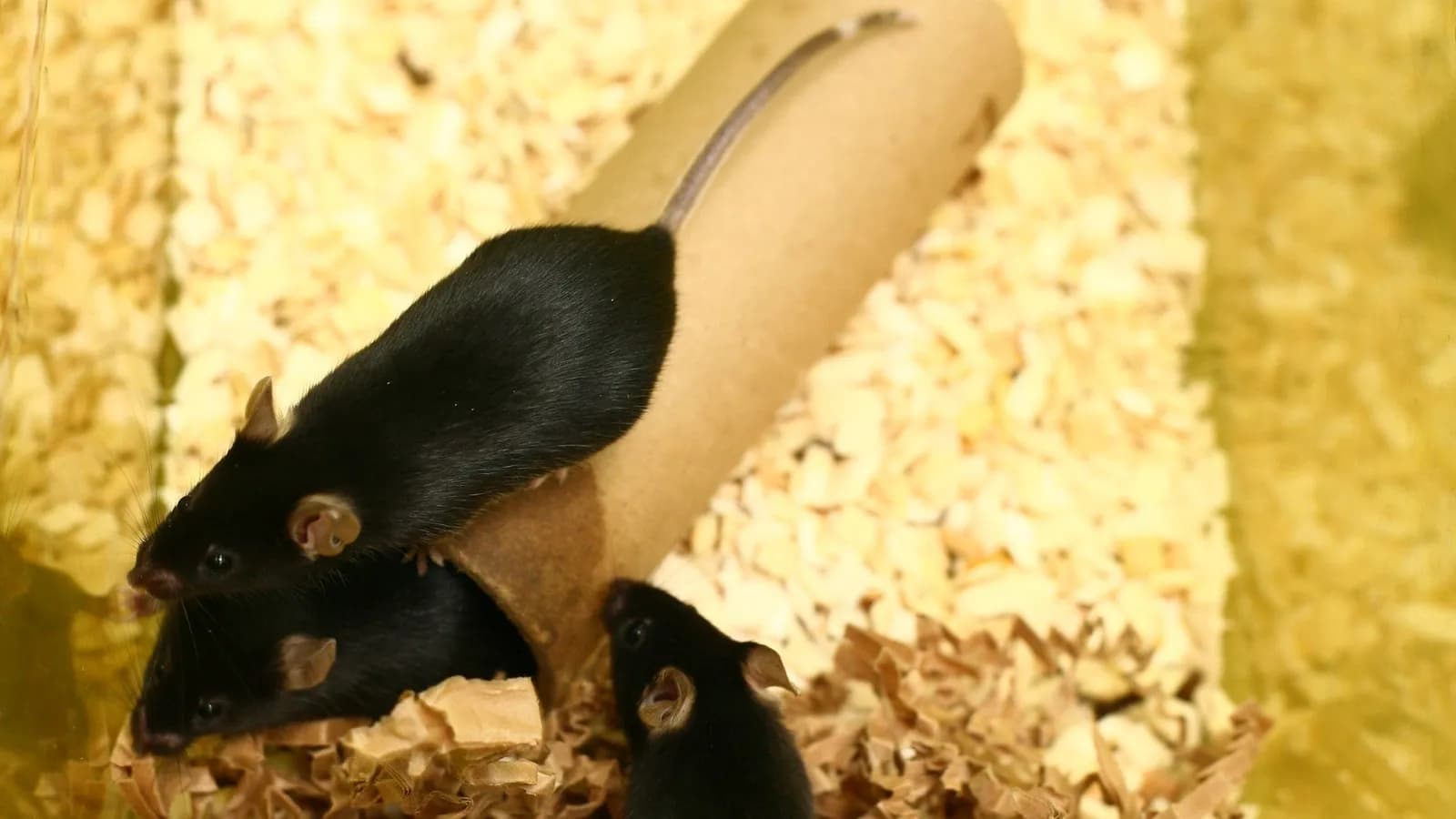
Researchers gave mice water, water with sucralose, or water with stevia, at doses comparable to what a person might get from an ordinary diet. Then they bred them for two further generations that drank only plain water.
Both sweeteners altered the gut microbiome, reduced beneficial compounds the gut bacteria produce, and changed the activity of genes involved in metabolism and inflammation. Some of those changes turned up in descendants that had never tasted a sweetener.
The study, published in Frontiers in Nutrition earlier this year, has been circulating widely again this week. It is worth reading properly, because it is being reported as though it settles something it does not touch.
What is genuinely interesting here
The inheritance.
A sweetener changing gut bacteria in the animal that consumed it would be unremarkable; that has been shown repeatedly. What is unusual is a signal persisting in generations with no exposure of their own, because that requires a mechanism: either the microbiome itself being passed down, which does happen in mice, or a change in how genes are regulated being carried across.
Both are real biological phenomena and both are worth investigating. A study that asks the question across three generations is asking something better than most sweetener research does.
Why it is not a finding about your drink
Start with the number. 47 mice, split three ways.
That is roughly fifteen animals per group before you divide by sex, which is a small study by any standard. It is enough to detect a large effect and not enough to say much about its size.
Then the species. Mice are not small people, and this is not a pedantic objection in this particular case. Mouse and human gut microbial communities differ substantially, mice are coprophagic, which transfers gut bacteria between animals in a way humans do not experience, and mouse offspring acquire their mothers' microbes under conditions that do not map onto human birth and infancy. A microbiome finding is one of the least transferable categories of mouse result there is.
Then the outcome. What was measured was the composition of gut bacteria and the activity of genes. What was not measured is whether any animal was worse off. Changed is not the same as harmed, and a microbiome that looks different is not by itself evidence of disease.
What the honest position is
Non-nutritive sweeteners are among the most studied additives in the food supply, and the human evidence remains genuinely mixed rather than damning.
The strongest thing that can be said against them is that some trials show effects on glucose handling and gut bacteria, that the long term data is weaker than the confidence of either side suggests, and that people who drink a lot of them tend to differ in other ways that are hard to adjust away.
The strongest thing that can be said for them is that the alternative in most cases is sugar, and the harms of sugar at the volumes people actually consume it are not in dispute.
That is an unsatisfying answer, and it is the accurate one. We set out the same tension where a category is defined by what it is not rather than what it contains in the argument over ultra processed food.
How this story will be told, and why to resist it
Expect a version that skips the mice.
The headline formula is already visible: a sweetener you drink today harms grandchildren you do not have yet. It is a compelling sentence and nothing in this study supports it about humans. Multi generational effects in a rodent, at a sample size of 47, are a hypothesis to test in better designs, not a warning to act on.
The useful habit is the one we applied to a different category last week, when every one of 212 plant based products in the United Kingdom turned out to contain a fungal toxin and every level was under the regulatory limit. The finding was real, the alarm was not warranted, and the difference was entirely in the second half of the sentence. That piece is here.
If you drink a lot of diet soft drinks and this has made you uneasy, the reasonable response is not to switch back to sugar. It is water, most of the time, for reasons that have nothing to do with mice.
Published in The Outspoken Digest
Editorial desk
Outspoken Digest Nutrition DeskDiet, food science and the evidence behind claims about what we eat.
Newsletter
The Digest, in your inbox
One edition, sent when it is ready. No noise, and your address is never passed on.
Read Next
More Nutrition →
Matched for Calories and Macronutrients, an Ultra-Processed Meal Still Drew a Bigger Insulin Response in a Small Trial
Oct 9, 2026/3 min read

A Study of 371,000 Americans Found Whole Fruit, Not Juice, Is Linked to Better Heart Health
Oct 1, 2026/2 min read
Tirzepatide Switched On Calorie-Burning Brown Fat in Obese Mice, Independent of Its Appetite-Suppressing Effect
Sep 29, 2026/2 min read

Every Extra 100 Grams of Ultra-Processed Food Daily Tied to Higher Disease Risk in an 8.8 Million-Person Study
Sep 27, 2026/3 min read