Every One of 212 Plant Based Products Tested in Britain Contained a Fungal Toxin
A survey published in Food Control screened UK burgers, vegan sausages and oat, almond and soy drinks for 19 mycotoxins. All 212 carried at least one. Every measured level sat below the European guideline, which is the part people keep skipping.
Outspoken Digest Nutrition Desk
Sunday, August 30, 2026/4 min read
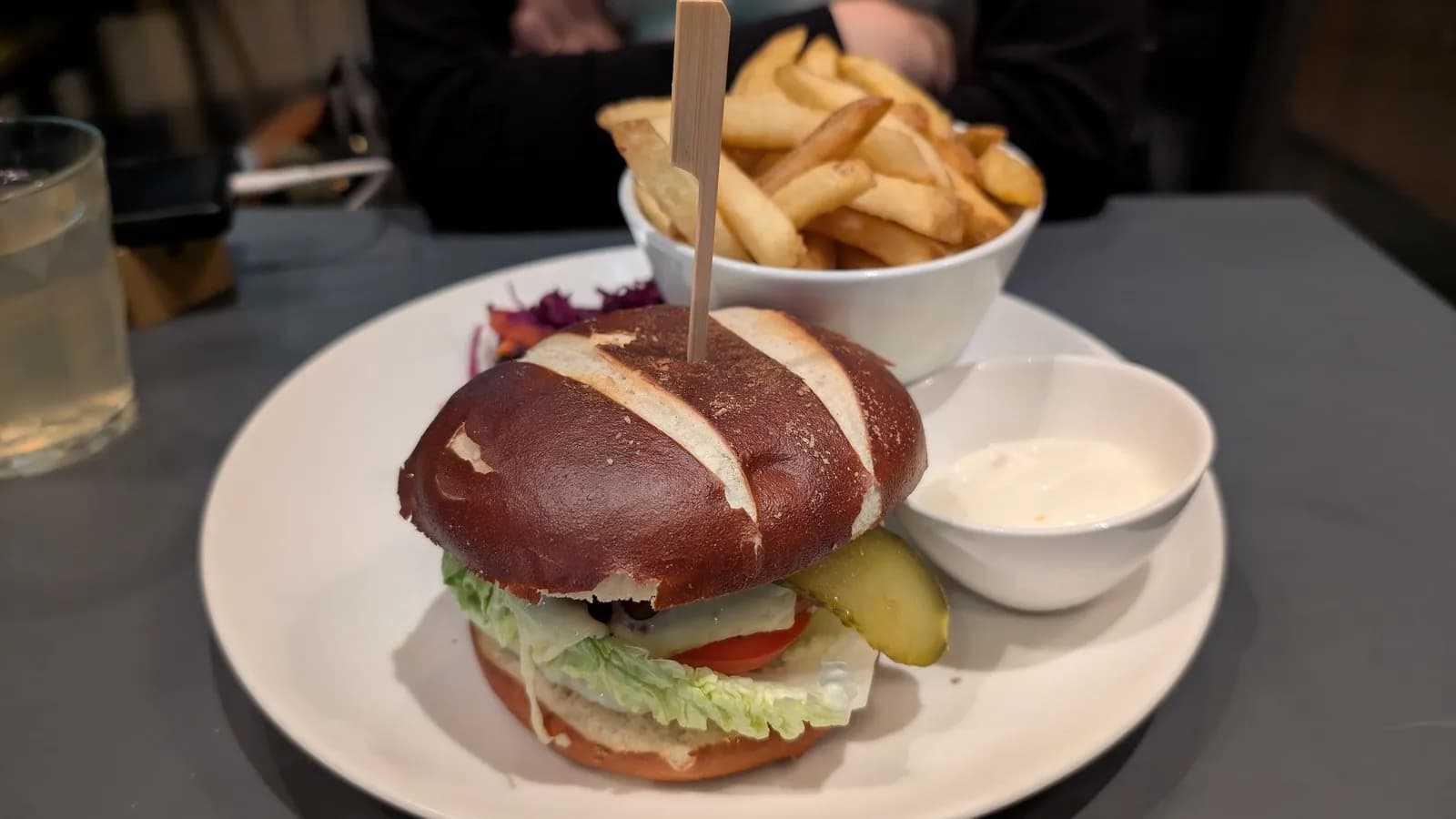
Researchers bought 212 plant based products from British shops, screened them for 19 mycotoxins, and found at least one in every single item. Some contained several.
The products were the ordinary ones: burgers, vegetarian chicken pieces, vegan sausages, and oat, almond and soy drinks. The work was led by the University of Parma with Cranfield University, and published in the journal Food Control.
Every measured concentration was below the recommended European guideline levels. Both of those sentences are the finding, and only one of them is going to travel.
What a mycotoxin is, and why this was predictable
Mycotoxins are compounds produced by moulds. They occur naturally on crops in the field and in storage, and they are one of the oldest problems in the food supply, older than the food industry that now tests for them.
They are common in grains, legumes, nuts and seeds, because those are what the relevant moulds grow on and because those crops are stored for months in conditions that are never perfectly dry. Plant based meat and milk alternatives are made from exactly those ingredients, often concentrated. Finding mycotoxins in them is not a discovery about the category. It is a consequence of what the category is made of.
Which is why the honest comparison, and the one the study does not answer, is against everything else. Bread contains mycotoxins. So do breakfast cereal, peanut butter, coffee, beer, spices and animal feed, and therefore, at a remove, some animal products. A survey that tests only plant based items will find them only in plant based items.
The quote worth keeping
Andrea Patriarca, senior lecturer in mycology at Cranfield, put it about as clearly as a scientist can: mycotoxins occur naturally in foods and cannot be completely avoided, and as consumers we should not be frightened or deterred from enjoying a variety of products.
That is a researcher on the study asking people not to read the study the way it will be read.
What the study is genuinely saying
Two things, and the second is the interesting one.
The first is that current controls appear to be working. Every product came in under guideline levels, in a market where the guideline exists and is enforced. That is a pass, not a warning, and the authors point at the standards of the UK food industry when explaining it.
The second is about cumulative exposure. Guideline levels are set per food, on assumptions about how much of that food a person eats. Someone eating an entirely plant based diet is drawing a larger share of their total intake from the ingredient classes where these compounds concentrate: oats at breakfast, a soy drink in coffee, legume protein at lunch, a nut based product in the evening. Each item is compliant. The question the researchers raise is whether the sum of compliant items was ever the thing being assessed.
That is a real gap in how food safety limits are constructed, and it applies well beyond this category. It is also, importantly, a question rather than a finding. The study measured products. It did not measure people, and it did not measure harm.
What it does not justify
Going back to meat, buying an expensive detox product, or avoiding oat milk.
Nothing in this survey establishes that anybody was harmed, and the effect sizes at these concentrations are not known to be meaningful in a normal diet. Repeated low level exposure adding up over time is a plausible mechanism supported by earlier research, and plausible mechanisms are where nutrition science goes wrong most often. We wrote about that failure mode at length in the argument over ultra processed food, where a real signal, a contested definition and a marketing opportunity have been tangled together for years.
The practical version
Vary the base ingredient, which is advice that would be good even if this study had never been published.
A person whose plant protein comes from soy on Monday, chickpeas on Tuesday and wheat on Wednesday has a different exposure profile from a person eating the same soy product daily, and the same is true of milk alternatives. Variety is the only consumer level control that works here, because you cannot inspect a burger for mould that was on a bean in a silo last winter.
Beyond that, the useful shift is away from the category question and towards the ingredient question. We compared what the two protein sources actually deliver in plant protein versus animal protein, and looked at what happens when a health claim becomes a product line in the protein fortification trend. The through line in both is that a label describing what a food is not tells you very little about what it is.
Published in The Outspoken Digest
Editorial desk
Outspoken Digest Nutrition DeskDiet, food science and the evidence behind claims about what we eat.
Newsletter
The Digest, in your inbox
One edition, sent when it is ready. No noise, and your address is never passed on.
Read Next
More Nutrition →
Matched for Calories and Macronutrients, an Ultra-Processed Meal Still Drew a Bigger Insulin Response in a Small Trial
Oct 9, 2026/3 min read
A Study of 371,000 Americans Found Whole Fruit, Not Juice, Is Linked to Better Heart Health
Oct 1, 2026/2 min read

Tirzepatide Switched On Calorie-Burning Brown Fat in Obese Mice, Independent of Its Appetite-Suppressing Effect
Sep 29, 2026/2 min read

Every Extra 100 Grams of Ultra-Processed Food Daily Tied to Higher Disease Risk in an 8.8 Million-Person Study
Sep 27, 2026/3 min read