Tubbataha Is the Dive Trip You Plan a Year Ahead
The Philippines' remote World Heritage reef rewards careful planning with walls, sharks, turtles and a conservation model built around a short liveaboard season.
Saturday, July 25, 2026/3 min read
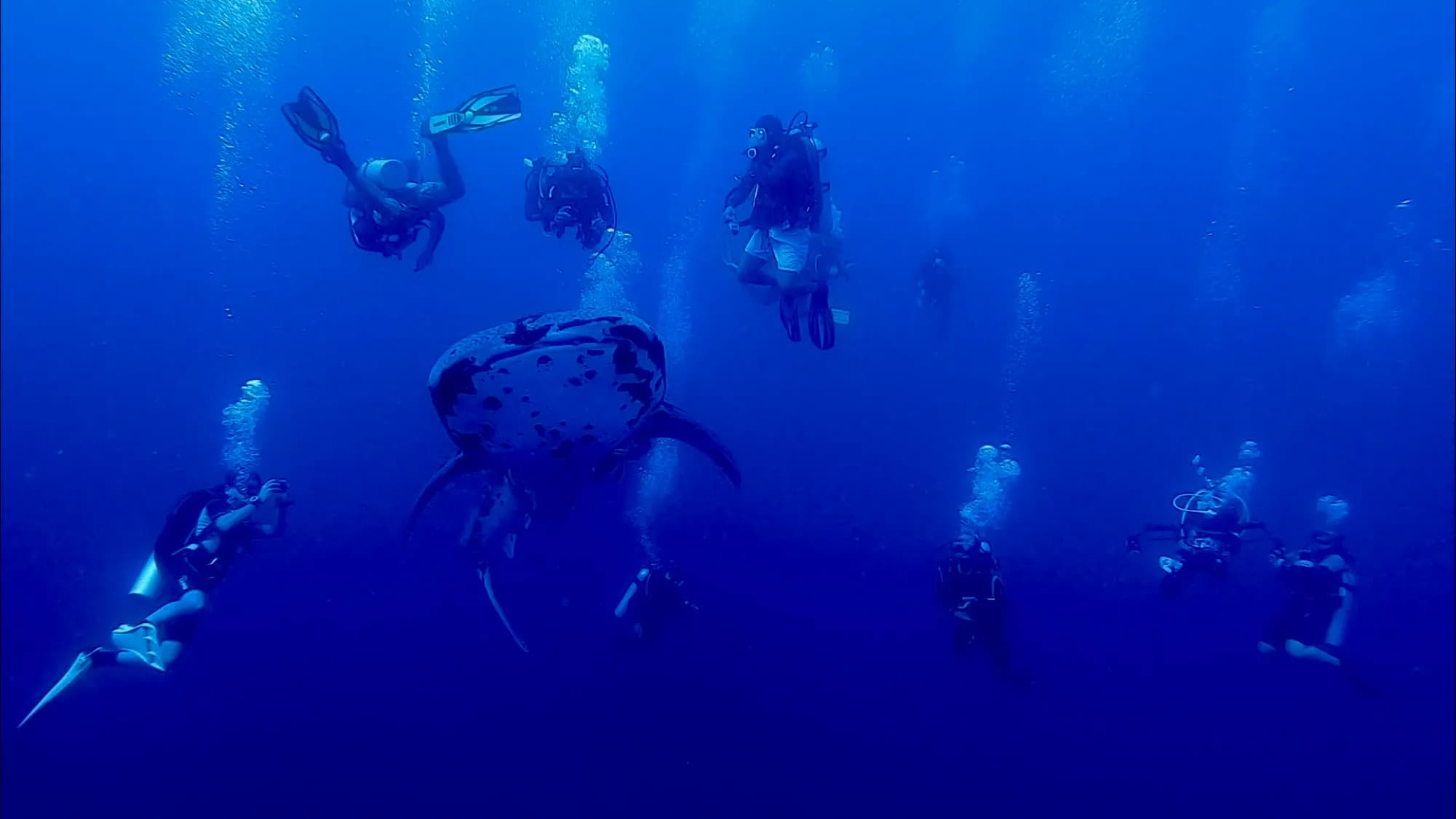
Tubbataha is not a reef you add to a beach holiday at the last minute. It sits in the middle of the Sulu Sea, far from a casual shore entry, and its workable dive season is short. Reaching it normally means boarding a liveaboard in Puerto Princesa and committing several days to open water, changing weather and a schedule set by the park rather than by a resort concierge.
That effort is precisely why the place still feels different. UNESCO describes Tubbataha Reefs Natural Park as almost 100,000 hectares of protected marine habitat containing the North and South Atolls and Jessie Beazley Reef. Its walls fall beyond 100 metres, but the attraction for recreational divers is not depth. It is the density of life above it: coral, pelagic fish, turtles, rays and sharks moving through a reef system with very little permanent human presence.
What divers actually come to see
UNESCO records more than 360 coral species and almost 700 fish species in the property, alongside eleven shark species and eleven cetacean species. White-tip reef sharks occur at unusually high densities, while tiger sharks, hammerheads, manta rays, whale sharks, barracuda and trevally are among the larger animals that may pass through.
No responsible operator can promise a particular animal on a particular dive. The better reason to choose Tubbataha is that the whole system remains intact enough for top predators, reef fish, seabirds and nesting turtles to coexist. A quiet wall covered in coral can be the memorable dive even when the whale shark never arrives.
Why the season controls the trip
The exposed location makes sea conditions decisive. The commonly operated season runs roughly from mid-March into June, when crossings and moorings are more practical. Outside that window, liveaboard access becomes unreliable or unavailable. This is why good cabins sell far in advance and why a Tubbataha booking should be treated more like an expedition date than an ordinary resort reservation.
Weather can still alter a route inside the season. A competent captain and cruise director may replace a famous site with a sheltered one, delay an entry or cancel a dive. That is not a failure to deliver the itinerary; it is the system working as it should.
The conservation fee is part of the experience
The park's current permit rules require visitor entry permits and conservation fees. Vessels also face safety, waste-management and tracking requirements, including holding tanks and AIS transceivers. The official rules prohibit divemasters from using cameras while guiding so their attention remains on the group.
Those details explain why Tubbataha has held onto much of its ecological quality. The diver is entering a protected area whose management costs money. Choosing a properly permitted vessel and accepting strict briefings is part of paying for the reef to remain worth crossing the Sulu Sea to see.
Who will enjoy it most
Tubbataha is best suited to certified divers who are comfortable making repeated boat entries, controlling buoyancy near coral, communicating clearly and handling blue-water conditions. Current strength and surface conditions vary by site and day. A recently certified diver may still be accepted by some operators, but the better question is not whether a card meets the minimum. It is whether the diver can remain calm and controlled when there is current, depth below and no convenient beach nearby.
Operators set their own experience requirements. Before paying a deposit, ask about expected conditions, the number of dives, guide ratios, rental equipment, medical screening, emergency oxygen, evacuation planning and the operator's policy when a diver sits out.
How to plan without turning the trip into a checklist
- Book a permitted liveaboard and verify what the price includes, especially park fees, fuel surcharges and rental gear.
- Arrive in Puerto Princesa with a buffer before departure; a delayed flight should not decide whether the boat sails without you.
- Refresh skills before the trip rather than using the first ocean dive as a checkout.
- Carry suitable dive-accident and evacuation coverage, and disclose relevant medical changes honestly.
- Bring restraint as well as a camera: excellent buoyancy and distance from wildlife matter more than collecting every image.
This is travel journalism, not a dive plan. Site selection, gas, depth and entry decisions belong to the qualified crew and should remain within each diver's certification, recent experience and comfort.
A reef worth the administrative effort
Tubbataha's inconvenience is not a flaw to be engineered away. Remoteness, a narrow season, permits and closely managed vessels are part of what protect it from becoming another crowded reef stop. The reward is not just a list of species. It is the rare feeling of diving inside a system that is still functioning at scale.
Published in The Outspoken Digest
Editorial desk
Outspoken Digest Diving DeskCovers freediving, recreational and technical diving, dive medicine and the incidents the sport learns from.
Newsletter
The Digest, in your inbox
One edition, sent when it is ready. No noise, and your address is never passed on.
Read Next
More Diving →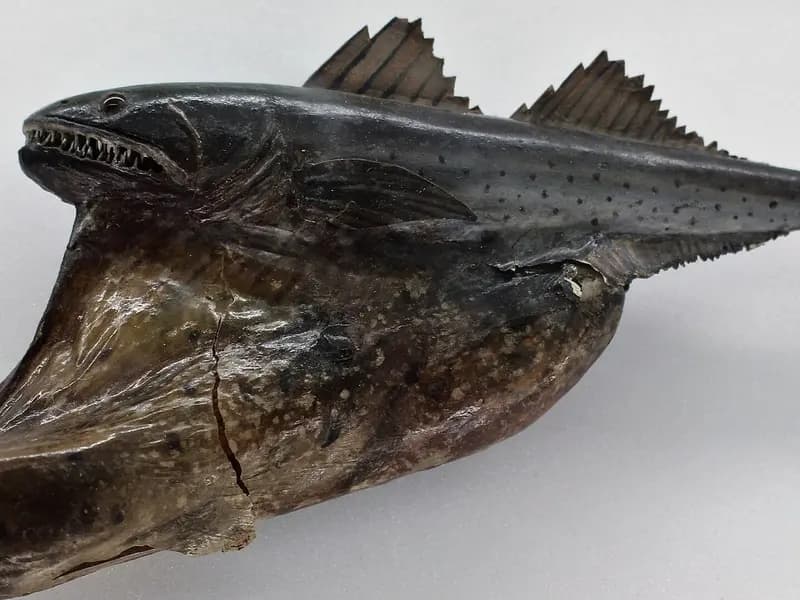
Black Swallower Filmed With a Hugely Swollen Belly 1,259 Metres Down Off Trinidad and Tobago
Oct 13, 2026/2 min read
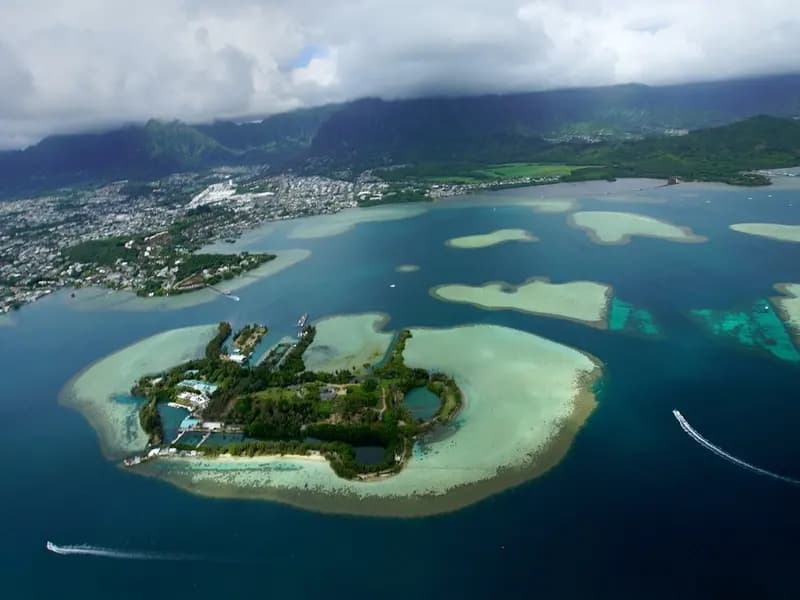
Playing Recordings of a Healthy Reef Drew More Coral and Fish Larvae to Artificial Structures Off Hawaii
Oct 9, 2026/3 min read
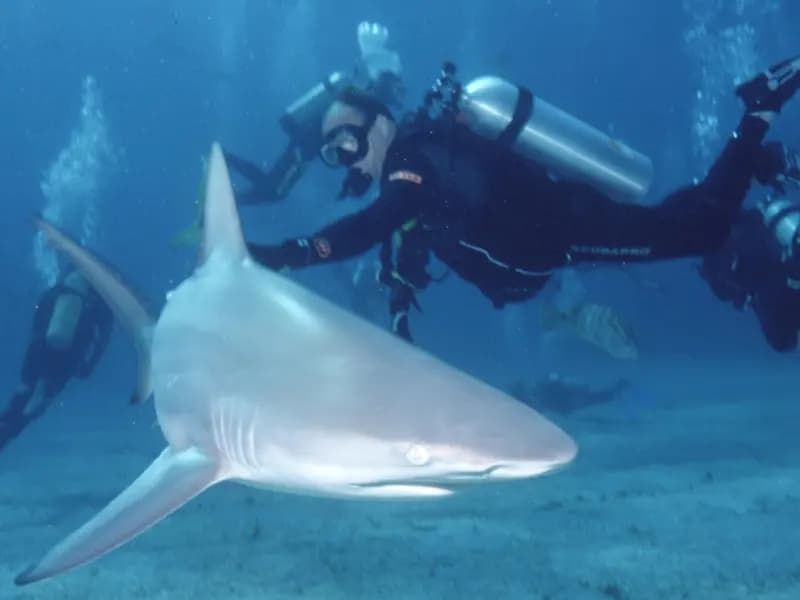
Blacktip Sharks Can Hear a Sound From Nearly 250 Feet Away and Swim Straight Toward or Away From It
Oct 1, 2026/2 min read
A Sea Turtle Species Never Recorded Nesting in the United States Laid Eggs on a Southern California Beach
Oct 1, 2026/2 min read