ADIPEC Still Runs on Oil, Whatever the Programme Says
Abu Dhabi's energy week arrives on 2 November with hydrogen and carbon capture across the agenda and hydrocarbons across the balance sheets. Both things are true at once.
Outspoken Digest Business Desk
Friday, August 14, 2026/3 min read
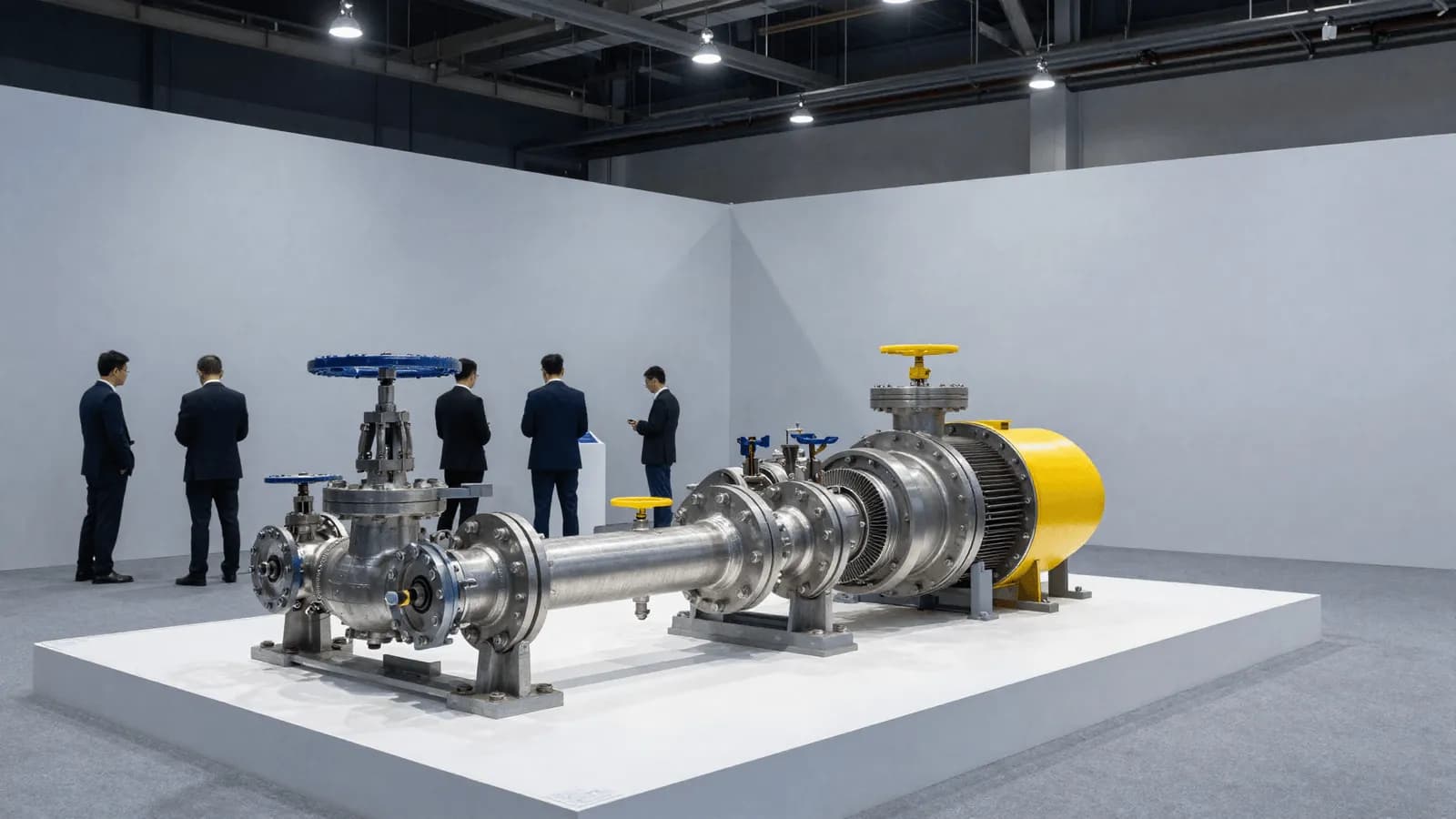
For four days at the start of November, Abu Dhabi holds the densest concentration of energy decision-makers on the planet. ADIPEC runs from 2 to 5 November 2026, and it is the one week of the year when the region's energy establishment and its counterparts from everywhere else are reliably in the same buildings.
It began life as the Abu Dhabi International Petroleum Exhibition and Conference. The name is now used almost exclusively as an acronym, which is itself a small piece of positioning.
What ADIPEC actually is
Two things, held together.
The first is an equipment and services exhibition, and a very large one. Drilling, subsea, pipeline, inspection, refining, the entire industrial supply chain of hydrocarbons, occupying halls at a scale that visitors from outside the sector consistently underestimate.
The second is a senior conference programme where ministers, national oil company chief executives and the heads of the major internationals appear on stage in sequence. What gets said there moves markets, or at least moves commentary, and it is covered live by every energy desk of consequence.
The exhibition is where the business is done. The conference is where the framing is set.
The transition question
The most-discussed thing about ADIPEC over recent editions has been how much of the floor and the programme has shifted towards energy transition: hydrogen, carbon capture and storage, grid technology, efficiency, and the language of decarbonisation throughout.
Two readings of this circulate and both have merit.
The generous one is that the transition will be executed substantially by the incumbent energy industry, because that is where the engineering capability, the project finance and the balance sheets are. A hydrogen plant is built by people who know how to build large industrial plants, and those people currently work in oil and gas.
The sceptical one is that the region's producers are expanding hydrocarbon capacity while hosting the conversation about reducing it, and that the transition content functions partly as reputational cover.
Both can be true simultaneously and largely are. The floor space devoted to transition technology is genuinely there, the capital commitments behind it are genuinely large, and so is the production capacity being added. Reporting only one half of that is the mistake.
Who goes, and why it is different from GITEX
ADIPEC is a smaller event than GITEX by attendance and a more senior one by seniority. The comparison is instructive.
GITEX is broad, consumer-adjacent in places, heavy with government delegations and startups, and open enough that a curious visitor can wander it. ADIPEC is narrow, industrial and transactional. Almost nobody attends ADIPEC out of interest. They attend because a contract, a supply relationship or a project depends on a conversation happening there.
That shapes the atmosphere considerably. It is a quieter, more suited, more meeting-room event than the exhibition scale suggests from the outside.
When is ADIPEC 2026?
2 to 5 November 2026, in Abu Dhabi. It sits in the first half of the autumn Gulf exhibition season, ahead of Big 5 Global in Dubai from 23 to 26 November and GITEX from 7 to 11 December, which we set out in the exhibition calendar.
Why does an oil conference matter to people outside energy?
Because energy prices set input costs for nearly everything else, and because in this region energy revenue funds the sovereign investment programmes that shape construction, technology and tourism. A signal given at ADIPEC about production policy or project sanctioning feeds through to contractors, logistics firms and eventually to labour demand across the Gulf. It is a sector event with an unusually wide blast radius.
What to watch this year
Three things worth tracking, on the evidence of where the sector has been sitting through 2026.
The first is any signal on production and spare capacity, given how much of this year's oil commentary has turned on supply routes and disruption risk.
The second is whether the hydrogen announcements start converting into sanctioned projects with financing attached, rather than memoranda of understanding. The gap between the two has been the persistent weakness of the transition story in this region.
The third is data centre power. The energy demand created by AI infrastructure is now large enough to be an energy-industry topic rather than a technology one, and Gulf producers have both the generation capacity and the sovereign capital to be interested. That crossover is covered in the piece on the data centre buildout, and it would be a surprise if it were absent from the Abu Dhabi programme.
Published in The Outspoken Digest
Editorial desk
Outspoken Digest Business DeskCompanies, markets and the money moving through the region.
Newsletter
The Digest, in your inbox
One edition, sent when it is ready. No noise, and your address is never passed on.
Read Next
More Business →
Starbucks Says It Is Not Buying Chipotle, Ending a Four-Day Takeover Story and Costing Chipotle About 4 Percent
Oct 13, 2026/2 min read
Wall Street Ends Mixed Near Records as Chip Stocks Slide, Oil Climbs and Traders Await Wednesday's Inflation Report
Oct 13, 2026/2 min read

Robert Hall and Michael Woodford Win the Nobel Prize in Economics for Models That Steady Economies
Oct 12, 2026/2 min read
Nasdaq Falls 1.25% as the FT Puts OpenAI's Annualized Revenue Near $50 Billion, Not $70 Billion
Oct 9, 2026/2 min read