Two Filipino Seafarers Were Killed on a Tanker in Hormuz, and the Retaliation Reached Kermanshah
The Saudi carrier Bahri says two crew died in a security incident aboard the SIDR while transiting the strait on 31 August. Iran says four IRGC aerospace personnel were killed in United States strikes days later.
Saturday, September 5, 2026/3 min read
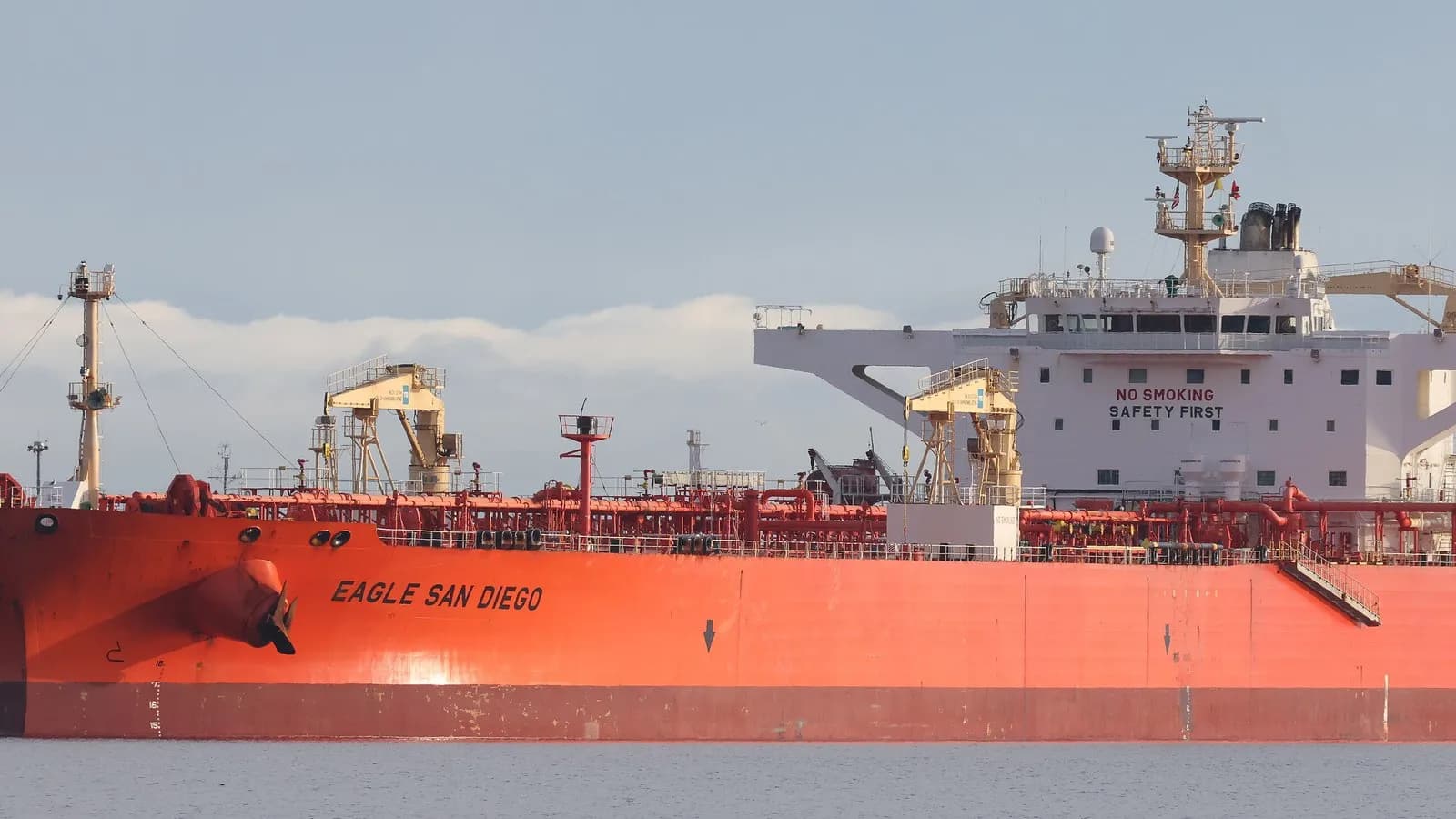
Most coverage of the Strait of Hormuz is written in barrels and basis points. This week produced a reminder of what the numbers are made of.
Bahri, the Saudi national shipping carrier, said that two Filipino crew members were killed in a security event involving its vessel SIDR while it was transiting the strait on 31 August.
Two seafarers, on a ship, doing an ordinary job that has become an extraordinary risk.
What followed
United States strikes on Iranian targets, described as retaliation for a failed attempt to lay sea mines in the strait and for attacks on American troops in the region.
Iran's Revolutionary Guard Corps said four of its aerospace personnel were killed in an attack on a missile launcher in Kermanshah province, naming them as Reza Mohammadi, Shahram Jafari, Alireza Shakiba and Jafar Kahrizi, and said three Basij members died in a separate strike on Lavan Island. The deputy governor of Khuzestan province for security affairs said a United States missile attack on three areas of that province killed seven people and wounded eight.
Those figures come from Iranian state sources and have not been independently verified. They are reported here as claims, which is what they are, and they are the only figures available.
Why the mining attempt matters more than the strike
Mines are the cheapest way to close a waterway and the most expensive to undo.
A missile attack on a ship is a discrete event. Insurers price it, convoys route around it, and the strait stays technically passable. Mines change the character of the problem entirely, because the threat persists after the attacker stops, and clearing them is slow, dangerous specialist work measured in weeks and months rather than days.
That is why an attempt described as failed still moves the risk calculation. It establishes intent, and intent is what underwriters price.
The people nobody counts
There is a category of casualty in this conflict that has attracted almost no attention.
Merchant crews are overwhelmingly from the Philippines, India, Indonesia, Ukraine and China. They are civilians, on commercial contracts, and they have no say in whether their vessel transits a contested strait, because that is decided by a charterer in an office somewhere else. When a ship is hit, they are the people on it.
The Filipino seafaring workforce in particular has borne a disproportionate share of maritime casualties in every recent conflict at sea, for the straightforward reason that it supplies a very large share of the world's merchant crews. Two names have not been released. They were doing a job that keeps fuel moving to countries that will never hear about them.
What it means for the traffic
Nothing good, and the data is already at the floor.
Transits through the strait have been running at a small fraction of the pre-war baseline of roughly 85 vessels a day, and our count of that traffic is in this week's piece on the closure. An incident that kills crew does not primarily reduce transits by damaging ships. It reduces them by making it harder to crew the ships at all.
Seafarer unions have leverage here that shipowners do not, and crew refusals, hazard pay demands and manning shortages are a slower and more durable constraint on traffic than any missile. That is the mechanism to watch over the coming weeks.
The wider economics are in our six month assessment, and the tanker strike that preceded this one is covered in this report.
Published in The Outspoken Digest
Editorial desk
Outspoken Digest Markets DeskReports for The Outspoken Digest across Business, Crypto.
Newsletter
The Digest, in your inbox
One edition, sent when it is ready. No noise, and your address is never passed on.
Read Next
More Business →
Kospi Plunges Almost 8 Percent and the Nikkei Falls 5 Percent as the Tech Sell-Off Spreads to Asia
Oct 15, 2026/2 min read

Hot September Inflation Report Hands the S&P 500 Its Worst Day Since July as AI Stocks Sink
Oct 15, 2026/3 min read

Jio Platforms Sets IPO Price Band at Rs 1,065 to Rs 1,119, Opening Subscription on 21 October
Oct 14, 2026/2 min read

Starbucks Says It Is Not Buying Chipotle, Ending a Four-Day Takeover Story and Costing Chipotle About 4 Percent
Oct 13, 2026/2 min read