August Was the Joint Hottest Month Ever Measured, and the First Above 1.5 Degrees Since Last November
The EU's climate service puts last month at 16.96 degrees Celsius globally, level with July 2023 and 1.65 degrees above pre-industrial. The oceans set their own record, western Europe had its hottest summer, and its rivers ran low. What the numbers mean.
Thursday, September 10, 2026/3 min read
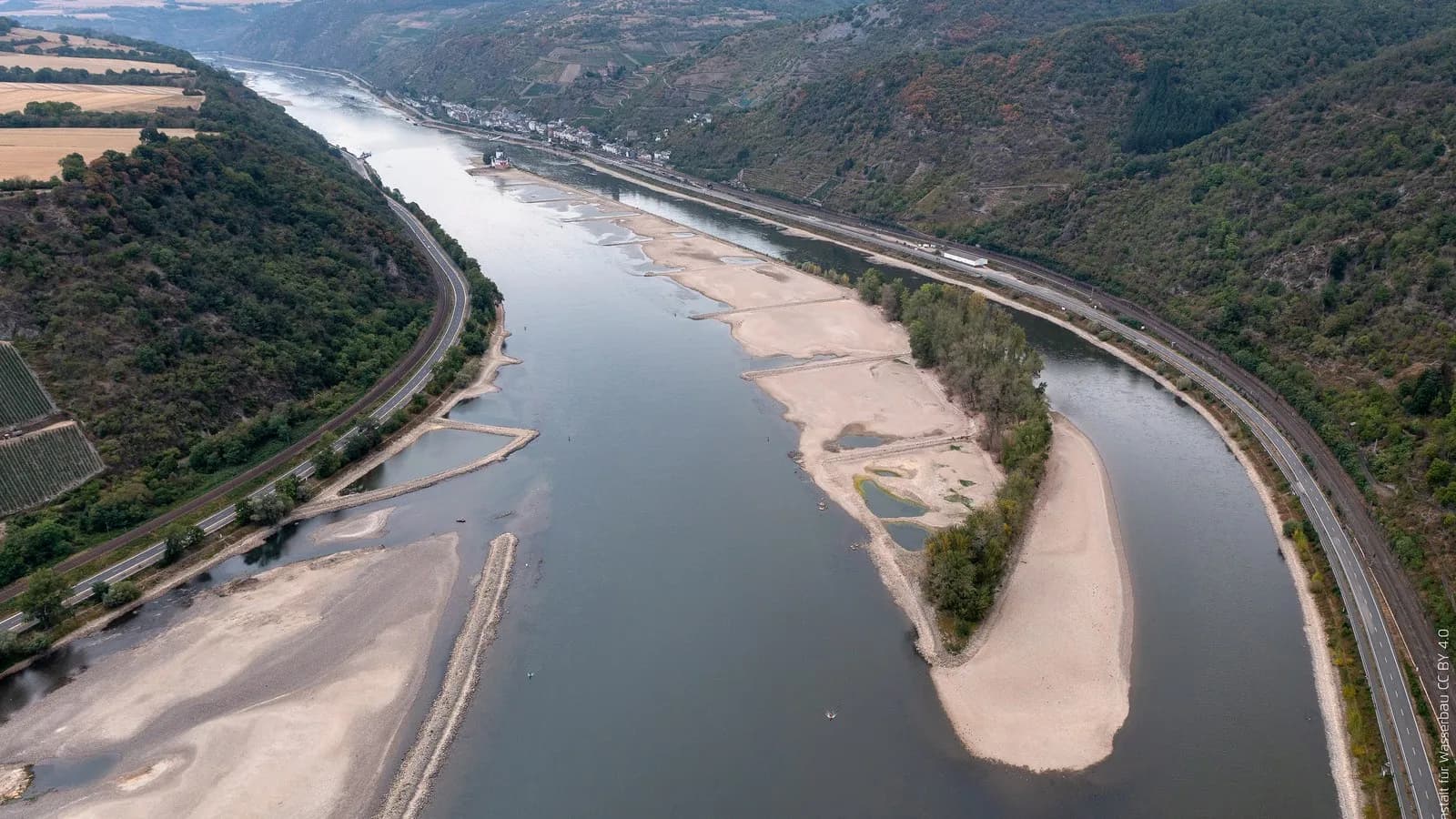
The Copernicus Climate Change Service, the European Union's Earth observation programme, published its monthly bulletin on Thursday, and the headline figure is one that has appeared in this magazine's pages too often to be a surprise and too rarely to be ignored. The global average surface air temperature for August 2026 was 16.96 degrees Celsius. That is the warmest August in the ERA5 record, ahead of the joint record of 2023 and 2024, and, across all months of all years, the joint warmest month ever measured, level with July 2023.
The numbers
August was 0.85 degrees above the 1991 to 2020 average and 1.65 degrees above the estimated pre-industrial level of 1850 to 1900. It is the first month to exceed 1.5 degrees since November 2025, after a run of months just under the threshold that the Paris Agreement treats as the line. The eight hottest months on record have all come since July 2023.
The oceans are the reason. The average sea surface temperature across the extra-polar ocean, between sixty degrees south and sixty north, was 21.07 degrees, the joint highest monthly figure for any month, matching March 2024, and a daily record of 21.11 was set within it. Tropical Pacific temperatures were exceptionally high as a strong El Niño builds, and El Niño events release heat from the ocean into the atmosphere; the global temperature record in 2023 and 2024 followed the last one. Samantha Burgess, strategic lead for climate at the European Centre for Medium-Range Weather Forecasts, which runs the service, called August a remarkable month in the global climate record and said the observations show how climate change is driving extremes across both the atmosphere and the oceans.
Europe
Western Europe's summer, June through August, was the warmest on record, surpassing 2003, the year the continent learned what a heatwave could do to its elderly. The European land temperature for August was 20.26 degrees, 1.10 above the recent average and the fourth warmest August for the continent as a whole. The drought was as consequential as the heat: France, Britain, Hungary, Romania and Serbia were all severely dry, and the Rhine, the Danube, the Southern Bug and the Dnieper ran at exceptionally low flows, which for the Rhine in particular means barges carrying half loads and industrial freight moving to rail and road at higher cost. Arctic sea ice, for what it is worth, was the twelfth lowest for August, an unremarkable figure in a remarkable month.
What the figure does and does not mean
A single month above 1.5 degrees does not mean the Paris threshold has been crossed; that is defined as a multi-decade average, and on that measure the world is still below the line, with the trend rising towards it. What a month like this does is bring forward the date. Every El Niño lifts the global figure for a year or two, and every one now starts from a higher floor; the peaks of 2023 and 2024 were the highest ever and the peak this El Niño produces, probably in 2027, is likely to be higher again. The bulletin does not forecast, but the arithmetic does.
For the Gulf, which spent the summer above forty-five degrees as it always does, the direct effect of a record August in the global average is small and the indirect effects are not. The heat that Europe experienced is the heat that fills this region's hotels and airports in July and August as residents leave; the low Rhine and Danube are the arteries of the export economies this region trades with; and the El Niño that is building now will shape the monsoon that South Asia's food prices depend on next year. Our guide to living and working through the local version of this is in the piece on what actually helps in extreme heat, and the case that the heat has become a health hazard the region plans for badly is in our report on France's heatwave deaths.
Published in The Outspoken Digest
Editorial desk
Outspoken Digest News DeskReports for The Outspoken Digest across Latest Trends, Sports, Nutrition, Crypto.
Newsletter
The Digest, in your inbox
One edition, sent when it is ready. No noise, and your address is never passed on.
Read Next
More Latest Trends →
Lapid Says He Does Not Trust Netanyahu Not to Strike Iran Before Israel's 27 October Election
Oct 18, 2026/2 min read

Hormuz Ship Attacks Hit a Weekly Record as Iran Says a Supertanker Struck a Mine
Oct 18, 2026/2 min read

Trump Waives New Russia Sanctions and Tariffs Two Days Before They Were Due, the Second Waiver in Two Weeks
Oct 18, 2026/2 min read

Roughly Half a Million March Across France as Student Anger Over Schools Merges With Fuel Price Fury
Oct 18, 2026/2 min read