The Diabetes Drug That Turned Out to Be a Kidney Drug
SGLT2 inhibitors were developed to lower blood sugar by making you urinate it out. The glucose effect turned out to be the least interesting thing about them, and the kidney trials changed how this complication is treated.
Saturday, July 25, 2026/4 min read
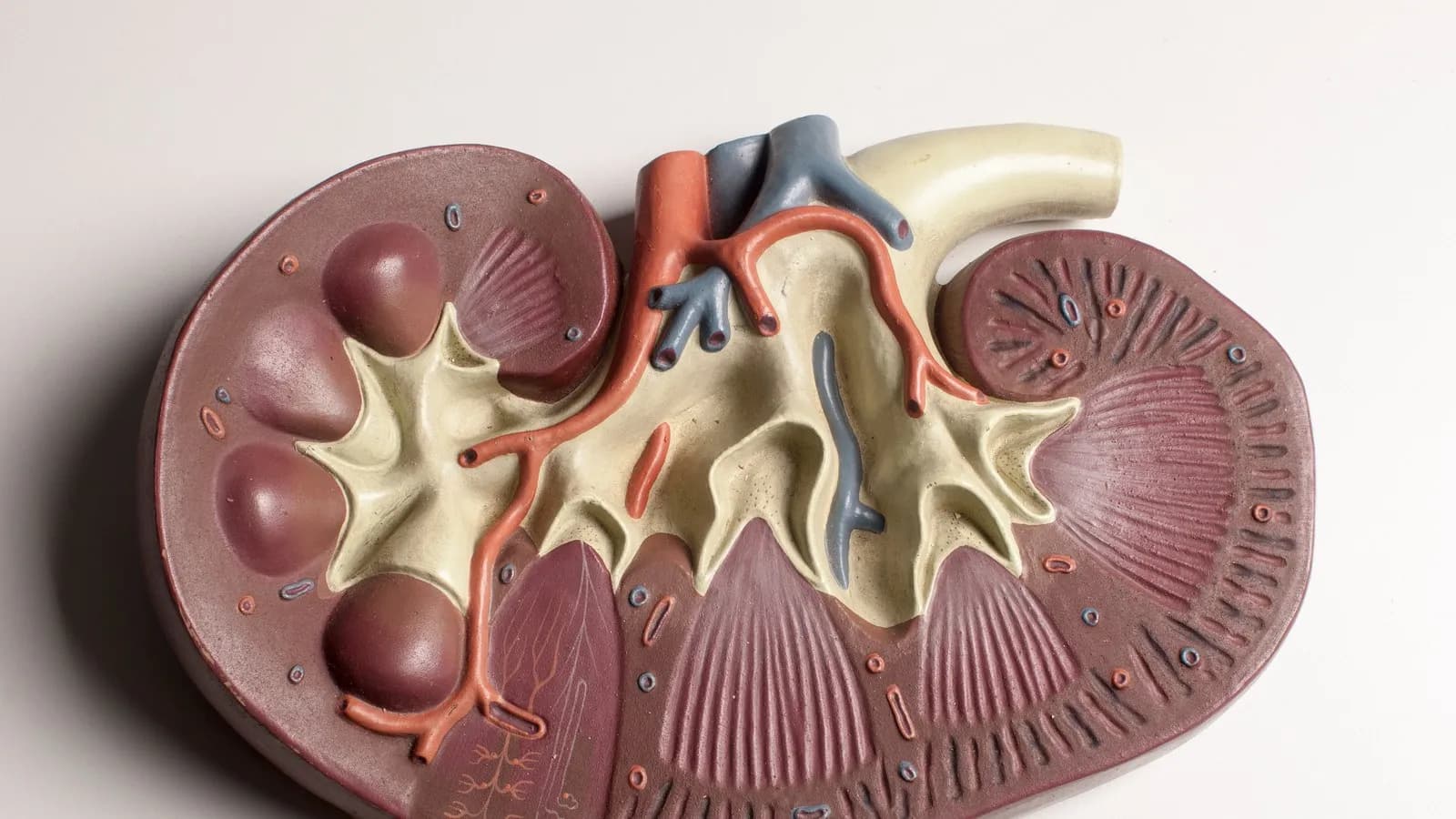
Diabetes is among the leading causes of kidney failure worldwide, and for decades the treatment story was bleak. You controlled glucose, you controlled blood pressure, you prescribed an ACE inhibitor or an ARB, and you watched kidney function decline more slowly than it otherwise would have. Slowing the descent was the entire ambition.
Then a class of drugs designed to do something else entirely turned out to protect kidneys, and the field changed inside about five years.
What is diabetic kidney disease and how would you know?
The filters in the kidney, the glomeruli, are made of exactly the sort of small blood vessels that high glucose damages. As they are injured they begin leaking protein into the urine, and their filtering capacity falls.
Two numbers describe it, and everyone with diabetes should know both.
- Urine albumin to creatinine ratio. This detects small amounts of protein leaking into urine and is typically the earliest sign, appearing well before filtration falls.
- Estimated glomerular filtration rate. A blood test giving a figure for how well the kidneys are filtering.
Like retinopathy, this is silent for years. There is no pain, no change in how urine looks, nothing you can perceive until function is substantially gone. A urine test once a year is the only way most people will find it in time, and it is skipped constantly because it feels less important than a blood test.
How did SGLT2 inhibitors end up here?
By accident, in the way that many of the best drugs arrive.
These drugs block a transporter in the kidney that normally reabsorbs glucose back into the blood. Block it and glucose leaves in the urine. As a glucose-lowering mechanism it is effective but unremarkable, and the HbA1c reductions were modest enough that the class looked like a minor addition to the toolkit.
Regulators required cardiovascular safety trials. Those trials were designed to prove the drugs did no harm to the heart, and instead found substantial benefit, including large reductions in hospitalisation for heart failure. Kidney outcomes, tucked in as secondary endpoints, looked even more interesting. So the dedicated kidney trials were run.
What did the kidney trials show?
Enough to rewrite the guidelines.
CREDENCE was the first large double-blind randomised trial of its kind, enrolling 4,401 people with type 2 diabetes and albuminuric chronic kidney disease who were already on an ACE inhibitor or ARB. That last detail matters: the benefit was on top of the best existing therapy, not instead of it.
DAPA-CKD reported a composite outcome of a 40 per cent or greater fall in eGFR, kidney failure, or death from cardiovascular or kidney causes, occurring in 4.3 per cent on dapagliflozin against 5.6 per cent on placebo, a hazard ratio of 0.76 with a confidence interval of 0.67 to 0.87.
Crucially, DAPA-CKD and later EMPA-KIDNEY included people with and without diabetes, and the benefit was not confined to the diabetic group. That is what established these as kidney drugs rather than diabetes drugs that happen to help kidneys.
Across chronic kidney disease populations, pooled analyses report reductions of around 28 per cent in cardiovascular death or heart failure hospitalisation, 35 per cent in heart failure hospitalisation specifically, and 14 per cent in all-cause death. Those are large numbers for a tablet.
What should someone taking one expect?
A few practical things that cause unnecessary alarm when nobody explains them.
There is usually a small drop in eGFR in the first weeks. This looks like the drug damaging the kidney and is the opposite: it reflects a reduction in pressure inside the glomerulus, which is the mechanism of the long-term protection. Stopping the drug because of the initial dip is a known and avoidable error.
Genital fungal infections are more common, unsurprisingly given there is now sugar in the urine, and are usually easily treated. Good hygiene reduces the risk considerably.
Diabetic ketoacidosis can occur at lower glucose readings than usual with these drugs, which makes it easier to miss. Anyone unwell, vomiting, or fasting for a procedure should know this, and it is one of several reasons this class needs a conversation before a month of fasting rather than after it.
What does this mean in practice?
Two questions worth asking at the next appointment.
First: when was my urine albumin to creatinine ratio last checked? If the answer is never, that is the test to request. Kidney damage found early is a treatable trajectory. Found late it is a dialysis conversation.
Second: am I on an SGLT2 inhibitor, and if not, why not? There are legitimate reasons, including kidney function too low to start, type 1 diabetes, and previous ketoacidosis. But given the evidence, the absence of one in someone with diabetic kidney disease deserves an explanation rather than an assumption.
Published in The Outspoken Digest
Editorial desk
Outspoken Digest Health DeskMedicine, public health and the research behind the headlines, read carefully.
Newsletter
The Digest, in your inbox
One edition, sent when it is ready. No noise, and your address is never passed on.
Read Next
More Health →
Kenya's Ebola Count Rises to Seven After Three Health Workers Who Treated the First Patient Test Positive
Oct 17, 2026/2 min read
BMJ Analysis Warns Fast-Growing Private Testosterone Prescribing Could Land on the NHS
Oct 14, 2026/2 min read

Cochrane Review Finds Medical Cannabis Has No Clear Benefit for Insomnia, With Weak Evidence Either Way
Oct 13, 2026/2 min read

Lancet Commission Names 17 Threats to Global Health Through 2100, With Obesity the Largest by Burden
Oct 12, 2026/2 min read