People With Diabetes Are Still Being Told to Avoid Fruit, and the Evidence Points the Other Way
Fruit contains sugar, so the advice writes itself and it is wrong. The relevant distinction is not sweet versus not sweet. It is whether the sugar is still inside a structure that has to be dismantled before it can be absorbed.
Outspoken Digest Nutrition Desk
Thursday, August 13, 2026/3 min read
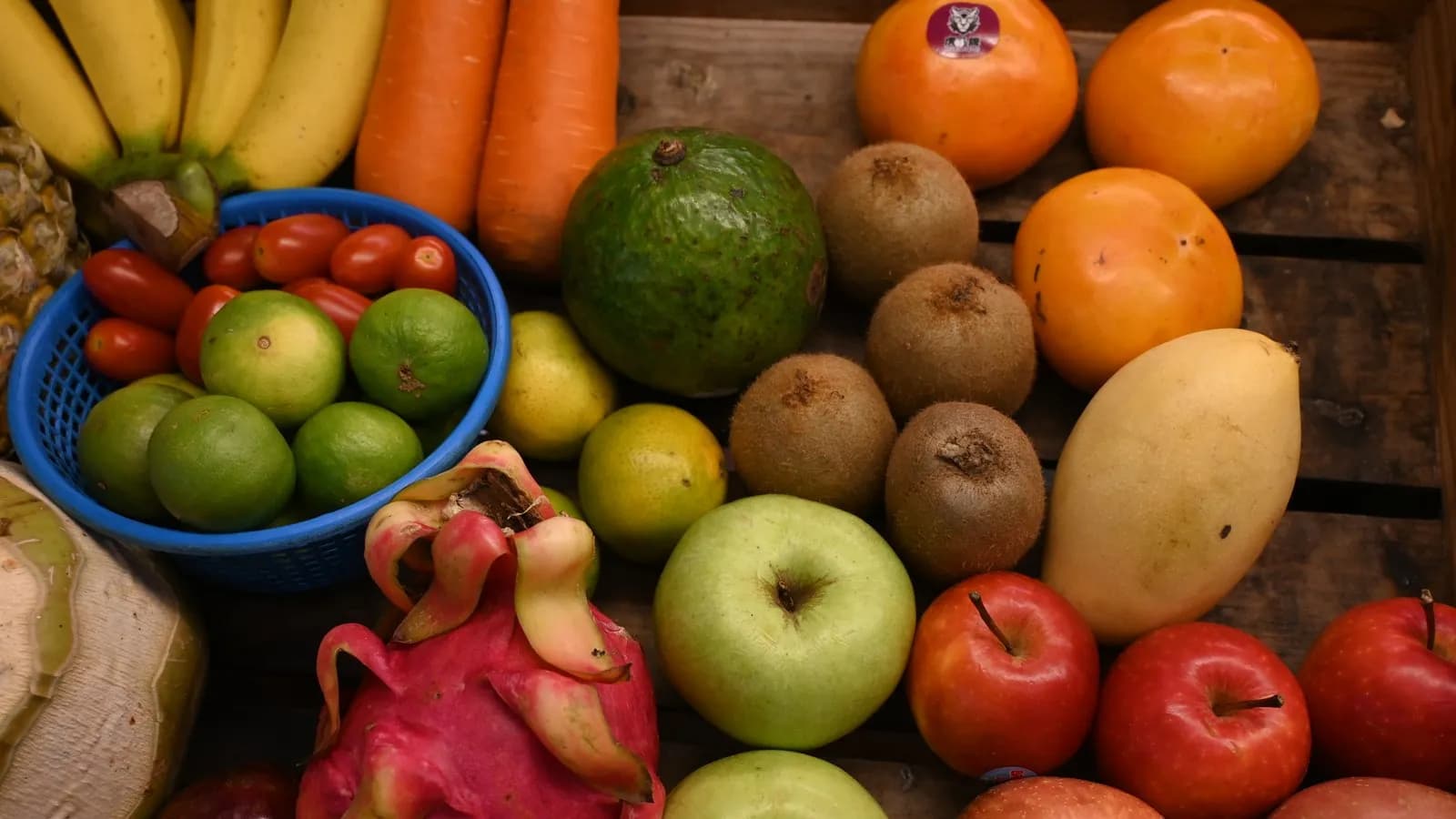
It is one of the most persistent pieces of advice given to people newly diagnosed with type 2 diabetes, often by a relative rather than a clinician: cut out the fruit, because fruit is sugar.
The premise is true. Fruit does contain sugar. The conclusion does not follow, and the reason is one of the most useful ideas in nutrition.
Why does whole fruit behave differently from its sugar?
Because sugar in an apple is not loose. It is held inside a cellular structure that your digestive system has to take apart.
An apple arrives with fibre, water, and intact plant cell walls. The fibre slows gastric emptying and slows absorption, the water fills the stomach, and the structure means the sugars are released gradually as digestion works through it.
Now juice that same apple. You have removed the structure and most of the insoluble fibre, and what remains is sugar in solution, which is absorbed rapidly. Two hundred millilitres of apple juice contains the sugar of several apples, takes ten seconds to drink, and produces a glucose response resembling a soft drink.
Same fruit. Same sugar molecules. Entirely different result, and the only variable is the physical form. It is the same principle that explains why dates score in the low glycaemic index range despite being obviously sweet.
What does the evidence say about fruit and diabetes risk?
Consistently, and in a direction that surprises people: higher whole fruit consumption is generally associated with lower risk of type 2 diabetes, while fruit juice consumption is associated with higher risk.
Those two findings sitting in the same body of research is the strongest available argument that the sugar content is not the operative variable. If it were, both would point the same way.
Whole fruit also delivers fibre, potassium, polyphenols and vitamin C, which is why removing it from a diet in the name of glucose control frequently makes the overall diet worse while achieving very little.
Are some fruits better than others?
Yes, but the differences are smaller than the anxiety around them.
Berries, apples, pears, citrus and stone fruit tend to sit lower for a given portion, because they carry more fibre and more water relative to their sugar. Very ripe bananas, mango and grapes sit higher, and ripeness matters within a single fruit: a spotted banana behaves quite differently from a slightly green one, as starch converts to sugar during ripening.
Dried fruit is the category that genuinely warrants care, and not because it is unhealthy. Removing the water concentrates everything, so a handful of raisins contains the sugar of a large bunch of grapes and does not fill you up in the same way. The fibre is still present, which helps, but portions creep easily.
What none of this justifies is a banned list. A fruit eaten in a sensible portion, with the rest of a meal rather than alone, is not the thing standing between anyone and good glycaemic control.
How much fruit is reasonable?
Two to three portions a day, spread out rather than eaten together, is a defensible position for most people with type 2 diabetes.
Three practical points make it work better.
- Eat it with something else. Fruit with yoghurt, nuts or cheese produces a lower glucose response than fruit alone, because the protein and fat slow everything down.
- Keep it whole. Not juiced, and preferably not blended into a smoothie, which mechanically does much of what juicing does even though the fibre technically remains.
- Test your own response. Individual variation in post-meal glucose is genuinely large, and with continuous monitoring now recommended far more widely, it is increasingly possible to find out what a particular fruit does to you rather than to a population average.
Where the advice went wrong
Fruit became a target because it is visible, nameable, and easy to prohibit. Telling someone to stop eating apples is a concrete instruction that sounds like it is doing something.
Meanwhile the sweetened drinks, the refined flour, the fried snacks and the desserts that constitute most of the actual sugar load frequently go unmentioned, or are covered in a general sentence about moderation. Our piece on where the sugar in a typical day here really comes from makes that comparison directly.
Advice that bans the apple and ignores the karak is not cautious. It is aimed at the wrong thing, and it costs credibility that is needed for the restrictions that genuinely matter.
Published in The Outspoken Digest
Editorial desk
Outspoken Digest Nutrition DeskDiet, food science and the evidence behind claims about what we eat.
Newsletter
The Digest, in your inbox
One edition, sent when it is ready. No noise, and your address is never passed on.
Read Next
More Nutrition →
Small Pilot Trial Finds Meals or an App Slowed Weight Regain After People Stopped GLP-1 Drugs
Oct 15, 2026/2 min read
Potassium-Rich DASH Diet Did Not Raise Blood Potassium to Unsafe Levels in Adults on Blood Pressure Drugs
Oct 13, 2026/2 min read

Matched for Calories and Macronutrients, an Ultra-Processed Meal Still Drew a Bigger Insulin Response in a Small Trial
Oct 9, 2026/3 min read
A Study of 371,000 Americans Found Whole Fruit, Not Juice, Is Linked to Better Heart Health
Oct 1, 2026/2 min read