The 2026 Guidelines Quietly Removed the Hurdles People Had to Clear Before Getting an Insulin Pump
Continuous monitoring is now recommended for adults with type 2 diabetes who are not on insulin at all, and the prerequisites for starting automated insulin delivery have been deleted rather than relaxed. Both changes are about access.
Saturday, August 15, 2026/3 min read
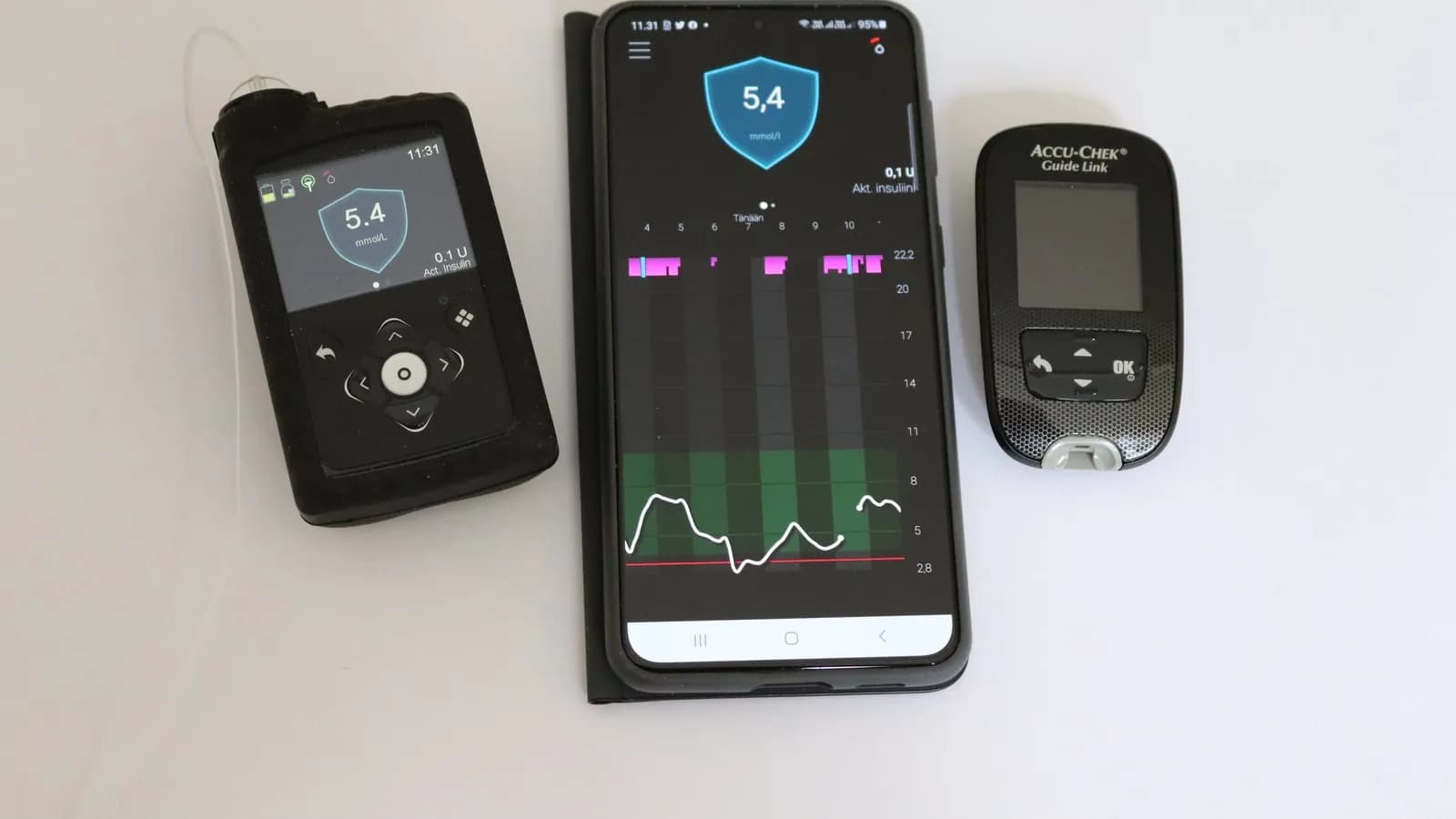
Guideline updates are usually incremental. A threshold moves, a drug gets a stronger recommendation, and clinical practice adjusts by degrees.
The American Diabetes Association's Standards of Care for 2026 did something more consequential in the technology chapter. It did not add new devices. It removed the criteria people had to satisfy before being allowed to use the existing ones.
Who should now be using continuous glucose monitoring?
Considerably more people than a year ago.
CGM eligibility has been broadened to include everyone on insulin, and, for the first time, the recommendations support CGM for adults with type 2 diabetes even when they are on non-insulin glucose-lowering therapies.
That second part is the shift. The old logic was that CGM existed to prevent hypoglycaemia, so it was for people whose treatment could cause hypoglycaemia. Everyone else got an HbA1c three or four times a year.
The newer thinking treats CGM as a feedback device rather than a safety device. Someone with type 2 diabetes on metformin who can see what a particular meal does to their glucose over the following two hours is being handed information no quarterly blood test can provide. It converts abstract dietary advice into a personal, immediate, and occasionally unwelcome demonstration.
It also addresses a real weakness of the standard measure. As we set out in our piece on how HbA1c can mislead, an average conceals its own variability, and two people with identical results can be having very different days.
What changed for insulin pumps?
The gatekeeping did.
Previously, starting continuous subcutaneous insulin infusion or automated insulin delivery could involve demonstrating a C-peptide level, the presence of islet autoantibodies, or a minimum duration of insulin treatment. The 2026 Standards state there should be no such requirement.
Those criteria were never really about clinical benefit. They were rationing mechanisms, generally used by payers to limit who qualified for an expensive device, dressed in physiological language. Removing them from the guideline removes the citation that justified the barrier.
Automated insulin delivery, where a pump reads a continuous monitor and adjusts insulin delivery without the user intervening, is the closest thing this field has to genuine automation. The evidence for improved time in range is strong. The constraint has been access, not effectiveness.
What else moved in the 2026 edition?
Three things worth knowing, all pointing the same direction.
- GLP-1 therapy is now supported in adults with type 1 diabetes who have a BMI above 30, or 27.5 for Asian American patients. People with type 1 also live with obesity and insulin resistance, and had been excluded from a drug class that could help them because their diabetes was the wrong type.
- A new recommendation supports dual GIP and GLP-1 receptor agonist therapy where there are demonstrated benefits for heart failure symptoms and reduction in heart failure events, which continues the broader movement of these drugs from glucose control toward organ protection.
- GLP-1 therapy moves to first line for adults with type 2 diabetes and liver fibrosis or MASLD, formally recognising fatty liver disease as a diabetes complication that deserves targeted treatment rather than an incidental finding on a scan.
Does more technology mean better outcomes?
Usually, but not automatically, and the caveats deserve saying.
Devices generate data, and data has to be looked at by someone who can act on it. A monitor whose reports nobody reviews is an expensive way to produce graphs. The clinical time to interpret them has not expanded at the same rate as the technology.
There is also alarm fatigue, which is a genuine clinical problem rather than a minor irritation. A device that alerts too often gets silenced, and a silenced device protects nobody. Sensible threshold setting is part of prescribing this properly.
And technology is not a substitute for the unglamorous parts of this condition. A pump does not examine your feet or check your retinas. The complications that cost people limbs and sight are still prevented by appointments, not sensors.
What should you ask for?
If you have type 2 diabetes and have never used a continuous monitor, it is now reasonable to ask whether one is appropriate, even if you are not on insulin, and to cite the 2026 Standards when you do.
If you use insulin and have been told you do not meet the criteria for a pump or automated delivery, that basis has been explicitly removed from the guideline. Payers may not have caught up, and in this region coverage varies enormously between insurers and employers. But the clinical justification for refusing is weaker than it was, and knowing that is what makes the conversation possible.
Published in The Outspoken Digest
Editorial desk
Outspoken Digest Health DeskMedicine, public health and the research behind the headlines, read carefully.
Newsletter
The Digest, in your inbox
One edition, sent when it is ready. No noise, and your address is never passed on.
Read Next
More Health →
Kenya's Ebola Count Rises to Seven After Three Health Workers Who Treated the First Patient Test Positive
Oct 17, 2026/2 min read
BMJ Analysis Warns Fast-Growing Private Testosterone Prescribing Could Land on the NHS
Oct 14, 2026/2 min read

Cochrane Review Finds Medical Cannabis Has No Clear Benefit for Insomnia, With Weak Evidence Either Way
Oct 13, 2026/2 min read

Lancet Commission Names 17 Threats to Global Health Through 2100, With Obesity the Largest by Burden
Oct 12, 2026/2 min read