The World's Tourists Went Somewhere Else This Year, and the Gulf Is Counting the Difference
UN Tourism has global arrivals up two per cent in the first quarter and Middle East arrivals down fourteen. Bahrain lost more than a quarter of its visitors. Egypt, three hours away, gained sixteen per cent.
Wednesday, August 26, 2026/3 min read
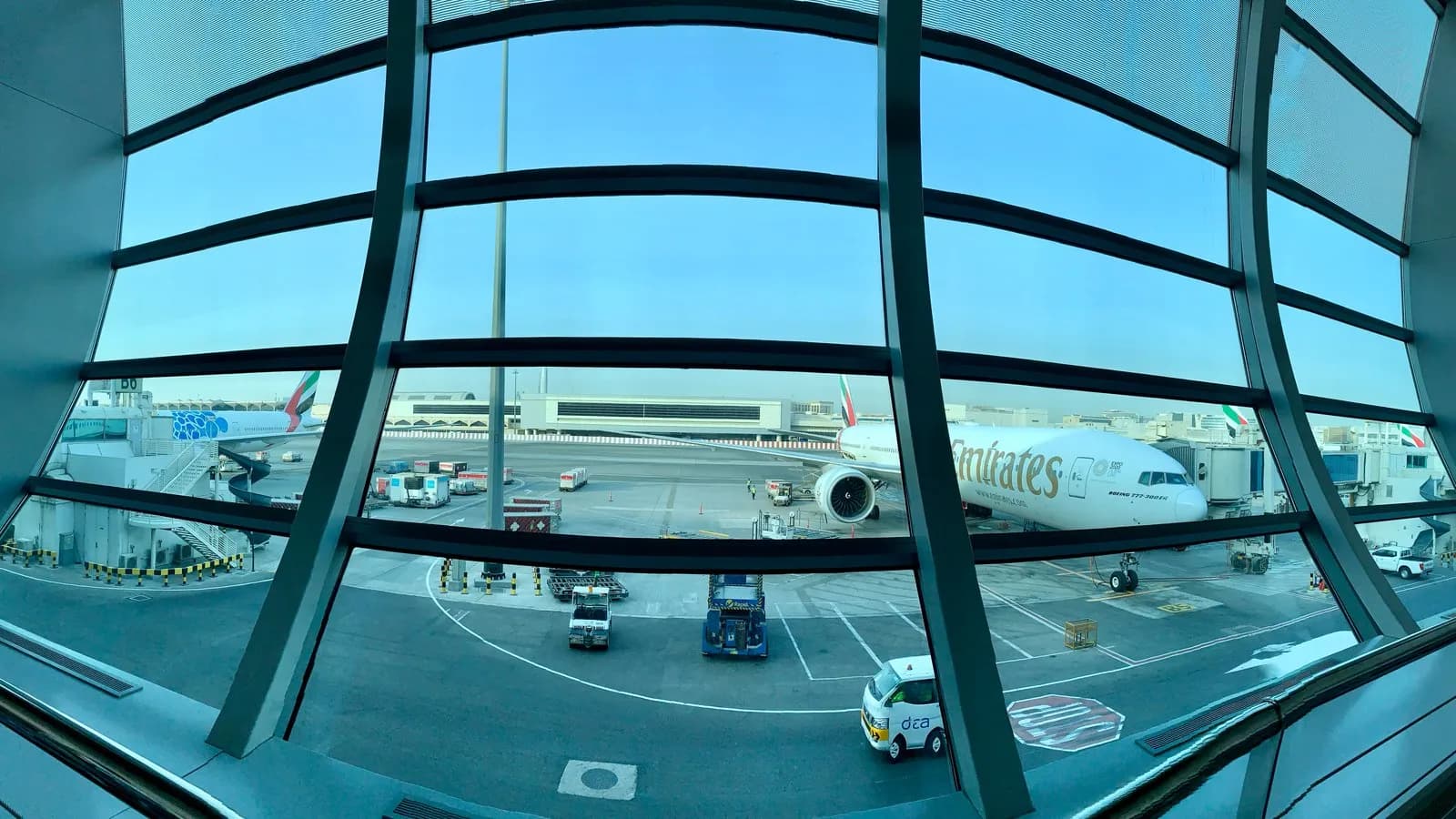
The UN Tourism World Tourism Barometer is a dull document that occasionally says something stark. Its first quarter figures for 2026 are one of those occasions.
International arrivals worldwide rose two per cent. Arrivals in the Middle East fell fourteen. Those two numbers describe the same three months on the same planet.
Which places lost the most?
The sharpest contraction reported in the Gulf was Bahrain, where international arrivals fell 27.8 per cent between January and March against the same period a year earlier. Other Gulf destinations recorded steep declines alongside it.
The instructive comparison is not with Europe or Asia. It is with Egypt, which is close enough to be affected by the same headlines and which grew sixteen per cent.
That gap is the whole story. This is not travellers deciding against the region. It is travellers deciding against a particular part of it, and specifically against the part the Strait of Hormuz runs through.
Why does a shipping lane empty a hotel?
Through the price and availability of the flight, which is the mechanism most coverage skips.
UN Tourism is explicit that the spike in oil prices and a jet fuel shortage in some markets have pushed air fares up and cut flight capacity, and that the effect is showing up outside the region as well. A tourist does not cancel because of a strait. They cancel because the fare doubled, or because the route no longer runs on the day they wanted.
We set out what the closure has done to the airlines themselves in the 4.3 billion dollar hole in Gulf aviation, and the wider economics in six months of a shut Hormuz. Tourism is where those two arrive at ground level: as an empty room in a hotel that was fully booked a year ago.
How bad is this in context?
Bad, and worth keeping proportionate.
UN Tourism now expects the conflict to take one to two percentage points off full year international arrival growth, against an initial forecast of three to four per cent. So the world still grows, slightly, and the region carries the loss.
A fourteen per cent quarterly fall is not a collapse of the kind the region saw in 2020. It is the sort of number that shows up in the annual accounts of hotel groups, airport operators and the retail that depends on both, and that takes two or three good years to work back out of.
What this does to the Gulf's tourism project
It arrives at the worst possible point in the build.
Saudi Arabia's tourism push has been the most capital intensive in the region: roughly 30 million inbound tourists in 2025, a sector contribution to GDP up from about 30 billion dollars in 2019 to about 42 billion in 2025, and more than 850,000 people employed directly and indirectly. Per visitor revenue of around 1,365 dollars is among the highest anywhere, exceeded in the region only by the UAE.
Those are the numbers of a project that is working. The difficulty with a build out on that scale is that the hotel rooms, the airport gates and the staff arrive on a schedule set years in advance, and the visitors arrive on a schedule set by this morning's news. Capacity cannot be paused. It opens into whatever demand exists on the day.
Riyadh's answer so far has been to make arriving easier, including a package visa pilot introduced in July that lets visitors in selected markets obtain tourist visas through approved travel companies as part of a package. That is sensible and it is not the binding constraint. Nobody is failing to visit the Gulf this year because the visa form was difficult.
What to watch
The second quarter figures, and whether the gap with Egypt narrows.
If regional arrivals recover while Egypt keeps growing, this was a fare and capacity problem and it will resolve as routes and fuel normalise. If Egypt keeps taking share after the fares settle, something more durable has happened to where people think the region's safe destinations are, and that is much harder to reverse than a flight schedule.
The Gulf has spent a decade and a great deal of money buying a place in the global itinerary, in tourism as in sport, which we traced in the region's sporting decade and in the broader programme covered in Vision 2030 measured against its own numbers. The lesson of this quarter is that the itinerary can be revised by events nobody in the region chose.
Published in The Outspoken Digest
Editorial desk
Outspoken Digest Travel DeskDestinations, airlines, borders and the practicalities of getting there.
Newsletter
The Digest, in your inbox
One edition, sent when it is ready. No noise, and your address is never passed on.
Read Next
More Travel →
Western Sydney Airport Opens to Passengers on Sunday: First Flights, Airlines and How to Get There
Oct 22, 2026/2 min read
Alaska and Hawaiian Airlines Will Fly Nonstop From Seattle to Osaka and Tahiti From Spring 2027
Oct 20, 2026/2 min read
Norte Fire Put 16,000 Under Evacuation Orders in San Clemente, and They Are Now Lifted: What Travelers Should Know
Oct 18, 2026/2 min read
Tropical Storm Trudy Is Forecast to Become a Major Hurricane as It Nears Mexico's Pacific Coast
Oct 15, 2026/2 min read