The Rest of the World Has Started Wearing Perfume the Way the Gulf Always Has
Higher concentrations, heavier notes, oud at the centre and fragrance treated as something you layer rather than spray. The global market has moved toward a regional habit, and Middle Eastern houses are no longer the niche option.
Friday, August 21, 2026/3 min read
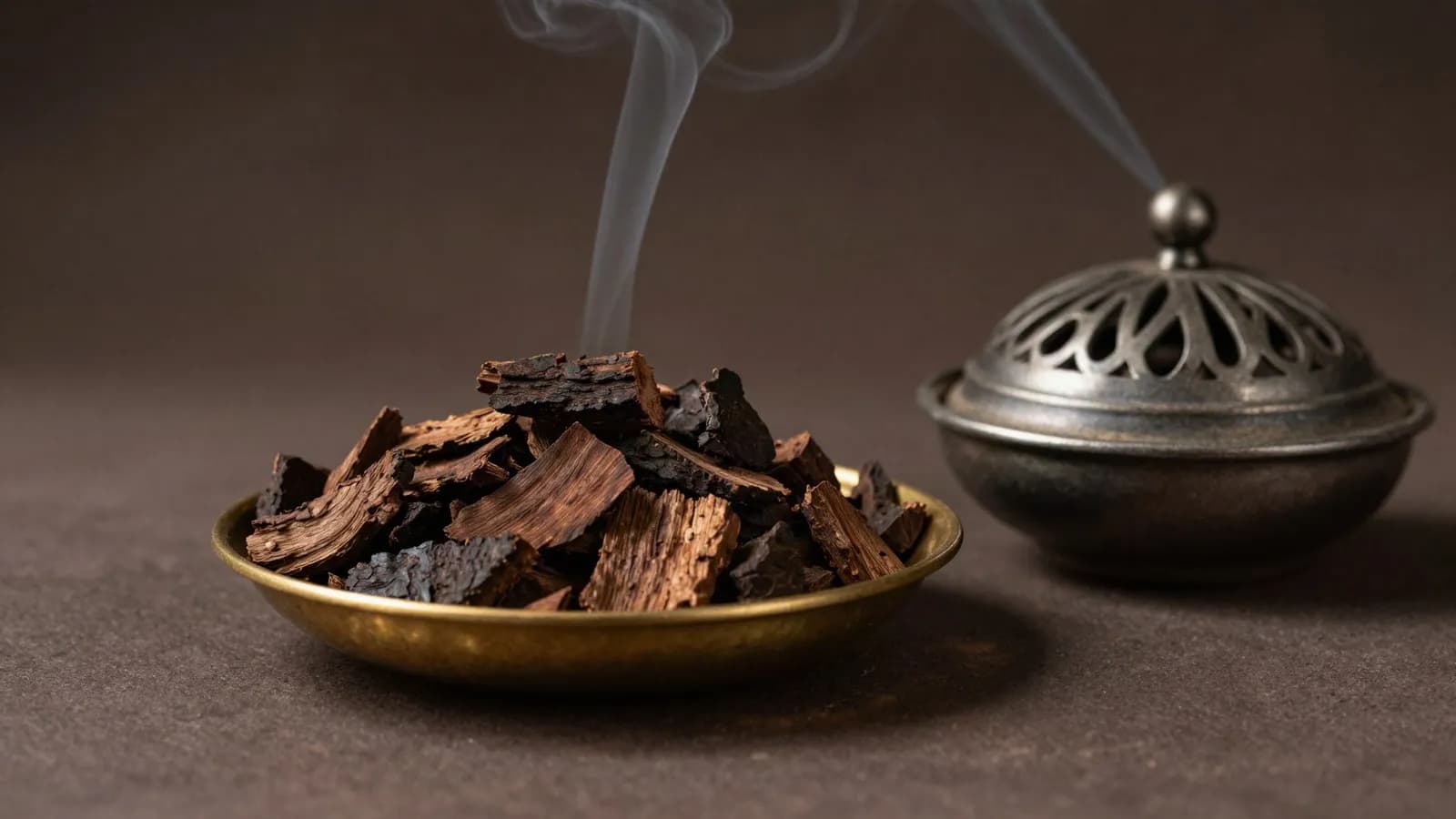
For most of the modern fragrance industry, the Gulf was treated as a specialist export market. Strong, sweet, heavy compositions that would not sell in Paris or New York, made in higher concentrations, worn in larger quantities. A regional taste to be catered to rather than learned from.
That framing has quietly inverted. The mainstream has moved toward the regional habit, not the other way round.
How big is the regional market?
Substantial, and growing faster than the global average, though the specific figures depend on who is counting.
One widely cited estimate valued the Middle East perfume market at around 4.05 billion dollars in 2025, rising to roughly 4.34 billion in 2026 and projected toward 7.52 billion by 2034, on a compound growth rate of about 7.1 per cent. Market research figures in this category vary considerably between firms, so they are best read as direction rather than precision.
The trade data is more concrete. The United Arab Emirates is forecast to export over 88 million kilograms of fragrance by 2026, which describes an established manufacturing and re-export industry rather than a domestic taste.
What is oud, and why is it so expensive?
A resin, and the price comes from how rarely it forms.
Oud is the dark, aromatic resinous heartwood produced by Aquilaria trees in response to a specific mould infection. Uninfected trees produce nothing of value. Only a small share of wild trees develop it, the infection takes years to yield usable material, and the wood has to be harvested and distilled with care.
That scarcity has consequences beyond the price. Wild Aquilaria populations came under serious pressure, and cultivated plantations with induced infection now supply a growing share of the market. Anyone buying at the very top of the range should ask about sourcing, because both the sustainability and the authenticity questions are live.
The smell itself is the reason for the devotion. It is animalic, woody, faintly medicinal, sweet and smoky at once, and it lasts on skin and fabric for a very long time.
What has actually changed globally?
Three shifts, and they all move toward how fragrance has long been worn here.
Concentration. Demand has moved toward extrait and other high-concentration formats rather than eau de toilette. Consumers want fragrance that lasts a full day, which has always been the regional expectation.
Notes. Oud, amber, spice and rich florals have gone from niche to mainstream in international launches. Nearly every major house now has an oud in its line, which was not true fifteen years ago.
Behaviour. Layering has become normal, and this is the most culturally interesting part. Combining scents, using scented oils on skin under a spray, perfuming clothing and hair rather than only the wrist. That is attar practice and bakhoor practice, and it is what the wider market has adopted as a new idea.
Regional houses have gained genuine global traction as a result, and demand for attars and oriental compositions in the Middle East and Asia-Pacific has been reported growing at over 20 per cent year on year, supported by a gifting culture that treats fragrance as a serious present rather than a small one.
Why now?
Two forces, one demographic and one commercial.
Younger buyers, particularly Gen Z and millennials, have moved toward fragrances with a specific cultural provenance rather than the deliberately inoffensive designer scents that dominated the 2000s. Authenticity is the stated reason, and heavy, distinctive compositions signal it more clearly than a fresh aquatic does.
Commercially, fragrance became the growth engine of beauty while colour cosmetics slowed, and a category under pressure to grow looks for whatever is working. What was working was the Gulf model: higher concentration, higher price, deeper attachment. That is a familiar pattern, and it echoes the way modest fashion moved from a regional segment to a measured global market.
How do you actually wear it?
Less than you think, and lower than you think.
High concentration fragrances are potent, and the regional convention of applying generously assumes a hot, ventilated environment and a social context that expects it. The same quantity in a cold, enclosed office is a different experience for everybody nearby.
Practical notes worth having. Apply to pulse points and to clothing, since fabric holds scent far longer than skin. Do not rub the wrists together, which crushes the top notes. Test on skin over several hours rather than on paper, because oud in particular develops enormously over time and smells almost nothing like its opening. And buy small first, because at these concentrations a small bottle lasts a long time, which is the same buying discipline that applies to clothes.
Published in The Outspoken Digest
Newsletter
The Digest, in your inbox
One edition, sent when it is ready. No noise, and your address is never passed on.
Read Next
More Latest Trends →
Lapid Says He Does Not Trust Netanyahu Not to Strike Iran Before Israel's 27 October Election
Oct 18, 2026/2 min read

Hormuz Ship Attacks Hit a Weekly Record as Iran Says a Supertanker Struck a Mine
Oct 18, 2026/2 min read

Trump Waives New Russia Sanctions and Tariffs Two Days Before They Were Due, the Second Waiver in Two Weeks
Oct 18, 2026/2 min read

Roughly Half a Million March Across France as Student Anger Over Schools Merges With Fuel Price Fury
Oct 18, 2026/2 min read