Solo Diving Is Either Reckless or Honest, Depending on What You Think a Buddy Actually Does
Two agencies now certify divers to dive alone, with redundant gas and a long list of prerequisites. The case for it rests on an uncomfortable observation about how often the buddy system already fails in practice.
Saturday, September 5, 2026/3 min read
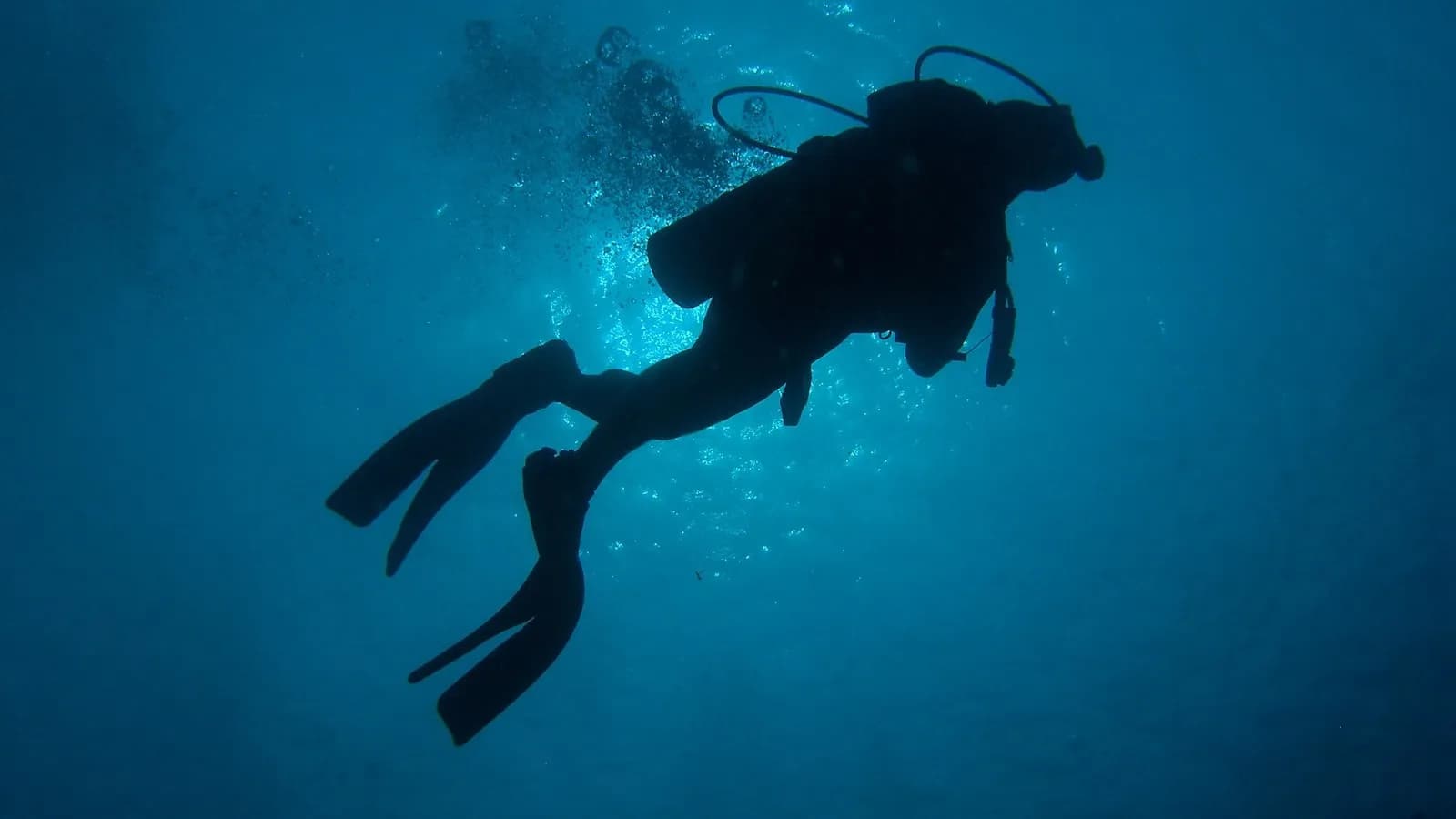
The buddy system is the first safety rule taught in recreational diving and the one most often quietly broken. Solo diving certification exists because a number of people decided it was better to address that honestly than to keep pretending.
It remains genuinely contentious, and both sides have a real argument.
The case for
It begins with an uncomfortable observation: a large proportion of buddy pairs are not functioning buddy pairs.
Divers are routinely assigned an unfamiliar partner on a boat, brief for thirty seconds, and separate within minutes underwater. Photographers stop and their buddy drifts on. One diver runs low while the other has half a cylinder. Neither has practised an air share together and often neither knows where the other's alternate is clipped.
The argument is not that buddies are useless. It is that an unpractised, inattentive buddy provides the appearance of redundancy rather than redundancy, and that a diver who believes they have a safety net they do not have will take risks they otherwise would not.
Solo training replaces a human backup with equipment backup and a much more conservative plan. The claim is that a diver carrying genuinely independent gas, who has planned on the assumption that nobody is coming, is safer than one relying on a stranger.
The case against
Equipment cannot do everything a person can.
A redundant cylinder does not help with entanglement behind your back, an equipment failure that leaves you unable to use your hands, a sudden medical event, or the ordinary human function of noticing that you have become confused and are making bad decisions.
Narcosis in particular degrades exactly the judgement required to recognise narcosis, and a competent buddy is the only mechanism that reliably catches it.
There is also a systemic objection. Normalising solo diving in a sport where a great many divers overestimate their competence risks the practice spreading to people who have not done the training and simply want to dive alone.
What the certifications require
Both SDI's Solo Diver course and PADI's Self-Reliant Diver course share the same shape.
Substantial prior experience, typically a hundred logged dives and a minimum age around eighteen. Fully redundant gas: an independent cylinder with its own regulator, sized so that it can bring you up from the deepest point of your plan with a safety stop, not a token bottle. A redundant computer or timing device and depth gauge. Redundant cutting tools. A surface marker buoy and the practised ability to deploy it. And a gas plan built on thirds or a similarly conservative reserve rather than on recreational assumptions.
The training itself involves demonstrating skills without assistance and, in most versions, swimming a distance with no mask to prove you can function when a primary piece of equipment is gone.
Where it is genuinely appropriate
Underwater photography, which is the honest reason a large share of solo divers do it. A photographer waiting twenty minutes for one shot is not a buddy to anyone, and admitting that is more honest than dragging someone along.
Scientific and survey work with repetitive shallow profiles. Familiar shore sites in benign conditions.
Where it is not appropriate: overhead environments, decompression diving, unfamiliar sites, cold or low visibility water, and any dive where the person has not done the course and is simply diving alone while telling themselves it is the same thing. It is not, and the equipment list is the difference.
The practical middle ground
Most divers will never take a solo course and most would benefit from the mindset anyway.
Carry a redundant air source if you dive deep or in conditions where a fast ascent is unwise. Plan your gas so that you could surface safely without assistance. Know where your buddy's alternate is and practise using it, once, on a shallow dive, rather than assuming. Brief properly and agree what you will actually do on separation.
The point is not to dive alone. It is to stop assuming that a person swimming near you constitutes a plan. Our related pieces on the anatomy of a dive accident and on entanglement and cutting tools both trace the same theme, which is that most incidents are a chain and the buddy is only one of the links.
Published in The Outspoken Digest
Editorial desk
Outspoken Digest Diving DeskCovers freediving, recreational and technical diving, dive medicine and the incidents the sport learns from.
Newsletter
The Digest, in your inbox
One edition, sent when it is ready. No noise, and your address is never passed on.
Read Next
More Diving →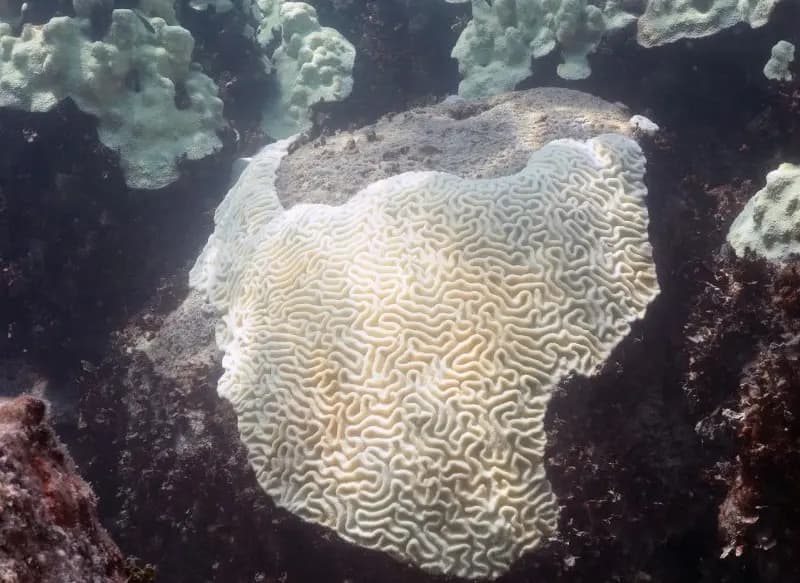
Bleached Corals Recovered After Touching a Healthy Clone, Stanford Lab Study Finds
Oct 15, 2026/2 min read
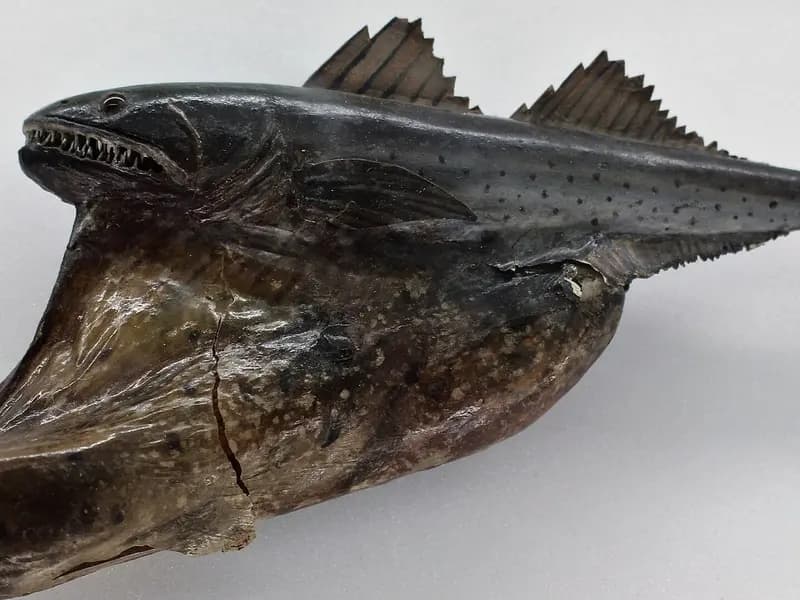
Black Swallower Filmed With a Hugely Swollen Belly 1,259 Metres Down Off Trinidad and Tobago
Oct 13, 2026/2 min read

Playing Recordings of a Healthy Reef Drew More Coral and Fish Larvae to Artificial Structures Off Hawaii
Oct 9, 2026/3 min read
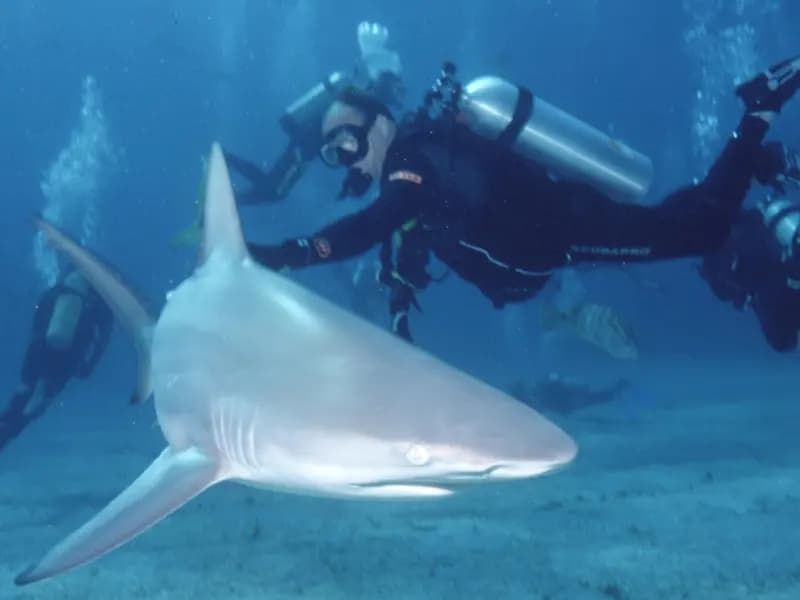
Blacktip Sharks Can Hear a Sound From Nearly 250 Feet Away and Swim Straight Toward or Away From It
Oct 1, 2026/2 min read