The Thirty-Year Treasury Has Held Above Five Per Cent for a Month, and the Two-Year Is Rising Faster
The long bond closed at 5.27 per cent on 1 and 2 September and has not been below five since July. The two-year has climbed from 4.17 to 4.39 in a week. What the Federal Reserve's own data shows, and why the shape of the move matters more than the level.
Tuesday, September 8, 2026/3 min read
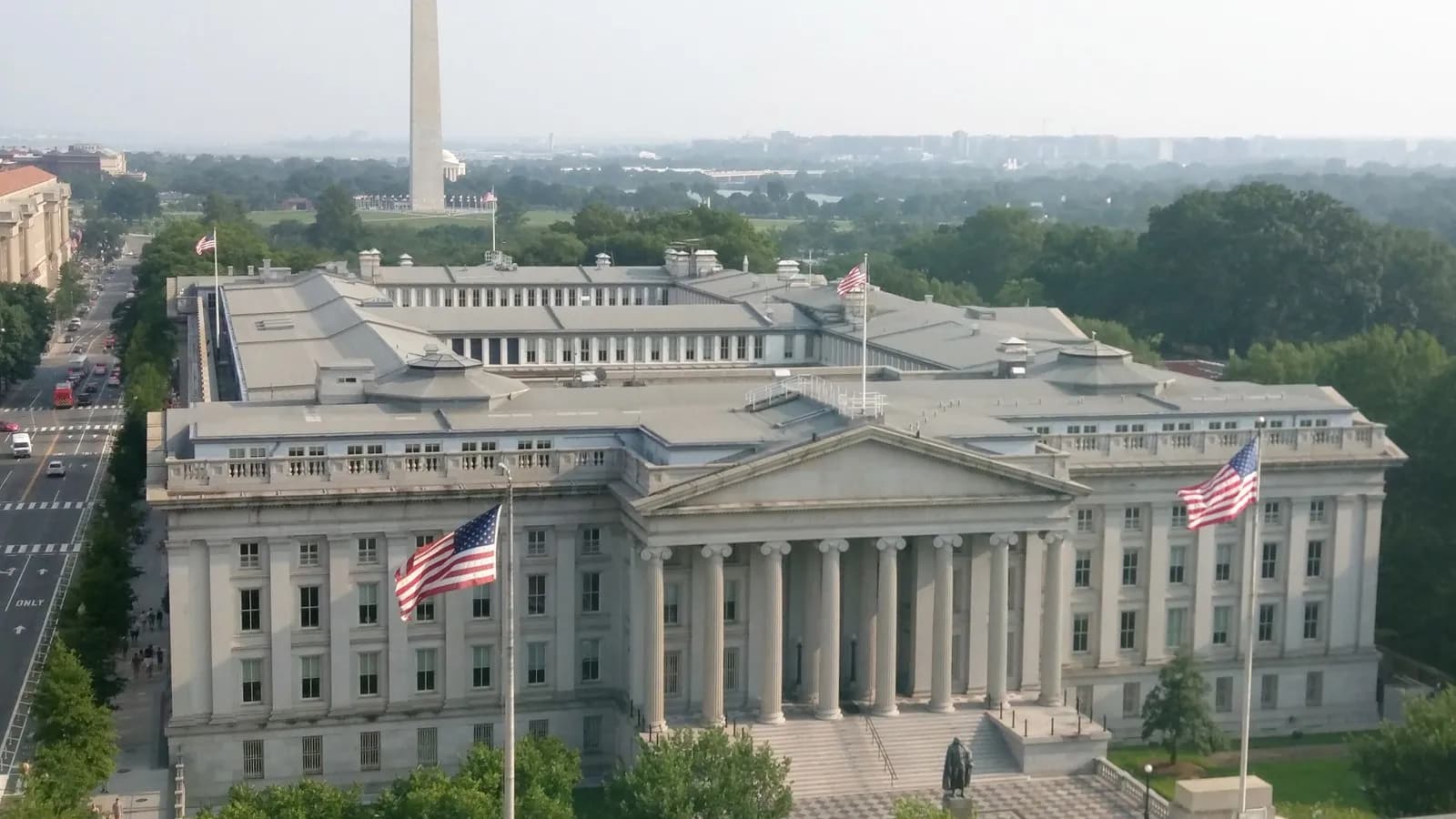
The number that has been organising financial markets since mid-August is the yield on the thirty-year United States Treasury bond. It reached 5.33 per cent on 18 August, a level not seen in nineteen years, and it has not gone away. The Federal Reserve's own daily series, published through FRED at the St Louis Fed, shows the long bond closing at 5.27 per cent on both 1 and 2 September and 5.25 on 3 September, with every close since mid-August between 5.17 and 5.27.
The ten-year note, the benchmark for mortgages and corporate borrowing worldwide, closed at 4.79 per cent on 1 and 2 September and 4.77 on the third. Bloomberg's market coverage on Monday described it as approaching five.
The move that matters
A high long-bond yield with a stable short end is a story about the future: investors demanding more to lend for thirty years because they doubt inflation will be contained or the deficit will be closed. That is largely what August was. The concerns cited were the federal deficit, which posted its largest July since 2021, and an inflation rate still well above the Federal Reserve's two per cent target.
September has added something different. The two-year yield, which tracks expectations for the Fed's policy rate over the near term, closed at 4.17 per cent on 25 August and 4.39 on 1 and 2 September, a rise of twenty-two basis points in a week against a rise of ten in the thirty-year. The curve is flattening from the front. Markets are no longer only worried about the long-run fiscal picture; they are pricing the possibility that the Fed will have to stay tighter for longer than it wanted, or tighten again, because of what oil is doing.
The oil channel
That is where the Gulf comes in. Brent crude traded above 97 dollars on Monday after a second strike on Aramco's Jizan refinery and Iran's announcement of a restricted zone beyond the Strait of Hormuz, both covered in our report today. Oil near a hundred dollars feeds directly into headline inflation in the United States within weeks and into the Fed's reaction function within months. A central bank that would otherwise be looking past a supply shock cannot easily do so when the bond market is already sceptical about its resolve, which is the bind that a rising two-year yield describes.
Who pays
The United States government first. With federal debt past forty trillion dollars, a subject examined in our piece on the debt and the Treasury's buybacks, each percentage point on the average interest rate is a sum measured in hundreds of billions a year. The Treasury has been shortening the maturity of what it issues to avoid locking in long rates, which relieves the immediate cost and increases the amount that must be refinanced each year at whatever rate then prevails.
Then everyone who borrows in dollars or in currencies pegged to it. Gulf central banks follow the Fed, so the rates that anchor mortgages and corporate loans in the UAE and Saudi Arabia move with these numbers. A thirty-year yield above five means long-term dollar borrowing has repriced to a level most people under forty in finance have never worked with; the last time it was here, the iPhone had not been released. Our earlier survey of why yields have risen across the developed world, not only in America, is in the piece on global bond yields and the debt behind them.
What to watch this week is not the thirty-year. It is whether the two-year keeps climbing. If it does, the market is telling the Fed that the oil shock has become an inflation problem, and the argument about deficits will give way to an argument about rates.
Published in The Outspoken Digest
Editorial desk
Outspoken Digest Markets DeskReports for The Outspoken Digest across Business, Crypto.
Newsletter
The Digest, in your inbox
One edition, sent when it is ready. No noise, and your address is never passed on.
Read Next
More Business →
CoreWeave Shares Fall 25 Percent in a Week as Its Bonds Flash Warning Signs for AI's Borrowers
Oct 18, 2026/2 min read
Nasdaq Ends Its Worst Week Since June as Chip Stocks Slide and Oil Climbs Toward $110
Oct 18, 2026/2 min read

ECB Clears UniCredit to Go Past 30 Percent of Commerzbank, Opening the Way to Control by Year-End
Oct 17, 2026/2 min read

Indonesian Stocks Plunge Nearly 12 Percent, the Worst Day Since 1998, After MSCI Floats a Downgrade to Standalone Status
Oct 16, 2026/2 min read