Two parts sugar, one part water, a squeeze of lemon and a restrained hand with the blossom water. Get this right and most Middle Eastern desserts stop being difficult.
The marinade is the entire dish. Here is what each ingredient is actually for, the ratio that works, and the timing window outside which you make the chicken worse rather than better.
There is no single official formula, and every Saudi household adjusts it. Here is a working baseline, what each spice contributes, and the one ingredient that has to be ground separately.
Lamb kabsa takes an afternoon. Chicken kabsa takes about an hour and follows the same logic: build the broth, cook the rice in it, and grill the chicken at the end for colour.
Tunisia has the strongest claim, the name means roughly a mixture, and no version of the dish can be older than the sixteenth century. The argument about who owns it is really about something else.
Layered filo, clarified butter, crushed nuts and syrup. It is not a difficult dessert, it is a patient one, and the single thing that decides crisp or soggy happens in the last thirty seconds.
The same word means a wild hillside herb and the sesame-and-sumac mixture made from it. Knowing which one a recipe means is the difference between a good jar and a disappointing one.
Akkawi is brined hard enough to be inedible straight from the packet. Soak it, and you get the stretchy, mild, faintly squeaky cheese bread that half the Levant eats for breakfast.
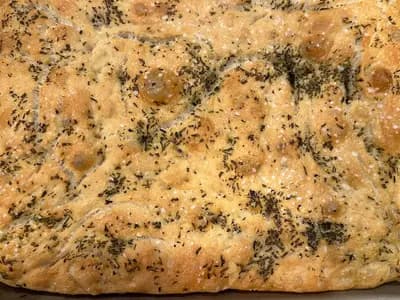
A soft, oil-enriched bread dough that stays tender under a hot oven. The hydration and the resting matter more than the recipe, and both are where home versions go wrong.
Dough pressed flat with the fingertips, spread with za'atar loosened in olive oil, baked hot and fast. The Levantine breakfast that a whole region eats standing up.
Most dairy-free labneh recipes are blended cashews with lemon juice, which tastes like nut paste. Culturing it properly is what produces the sourness, and it takes one extra day of doing nothing.