Nutrition
Ramadan Fasting and Metabolic Health: What Research Shows
Studies from recent Ramadan seasons tie dawn-to-dusk fasting to real metabolic gains, but the benefits depend heavily on what happens after iftar each night.
Apr 20, 2025

Search
60 stories for“Meta”
Studies from recent Ramadan seasons tie dawn-to-dusk fasting to real metabolic gains, but the benefits depend heavily on what happens after iftar each night.
Apr 20, 2025
A pair-feeding study found tirzepatide, the drug in Zepbound and Mounjaro, activated thermogenic markers in brown fat and improved glucose tolerance in obese mice even when food intake was matched to untreated animals.
Sep 29, 2026

Chrononutrition research links late eating to worse metabolic outcomes, but the field is younger and messier than headlines suggest.
Sep 25, 2025

A Virginia Tech trial of 57 adults found less carbohydrate burning, more insulin and different reward-region activity after an ultra-processed meal. It was a single meal in young, healthy people.
Oct 9, 2026

In a 108-patient trial followed for ten years, the produce arm had fewer hospital stays and dialysis starts than usual care. The finding is a post hoc analysis shown at a meeting.
Oct 23, 2026

A pooled analysis of 51 cohort studies spanning up to 32 years of follow-up found higher ultra-processed food intake linked to greater risk of cardiovascular disease, cancer, diabetes, depression and death, with digestive disease risk up 31 per cent.
Sep 27, 2026

The biggest head-to-head diet trial ever run found near-identical weight loss. The real variable turned out to be the person, not the macro.
Nov 18, 2024

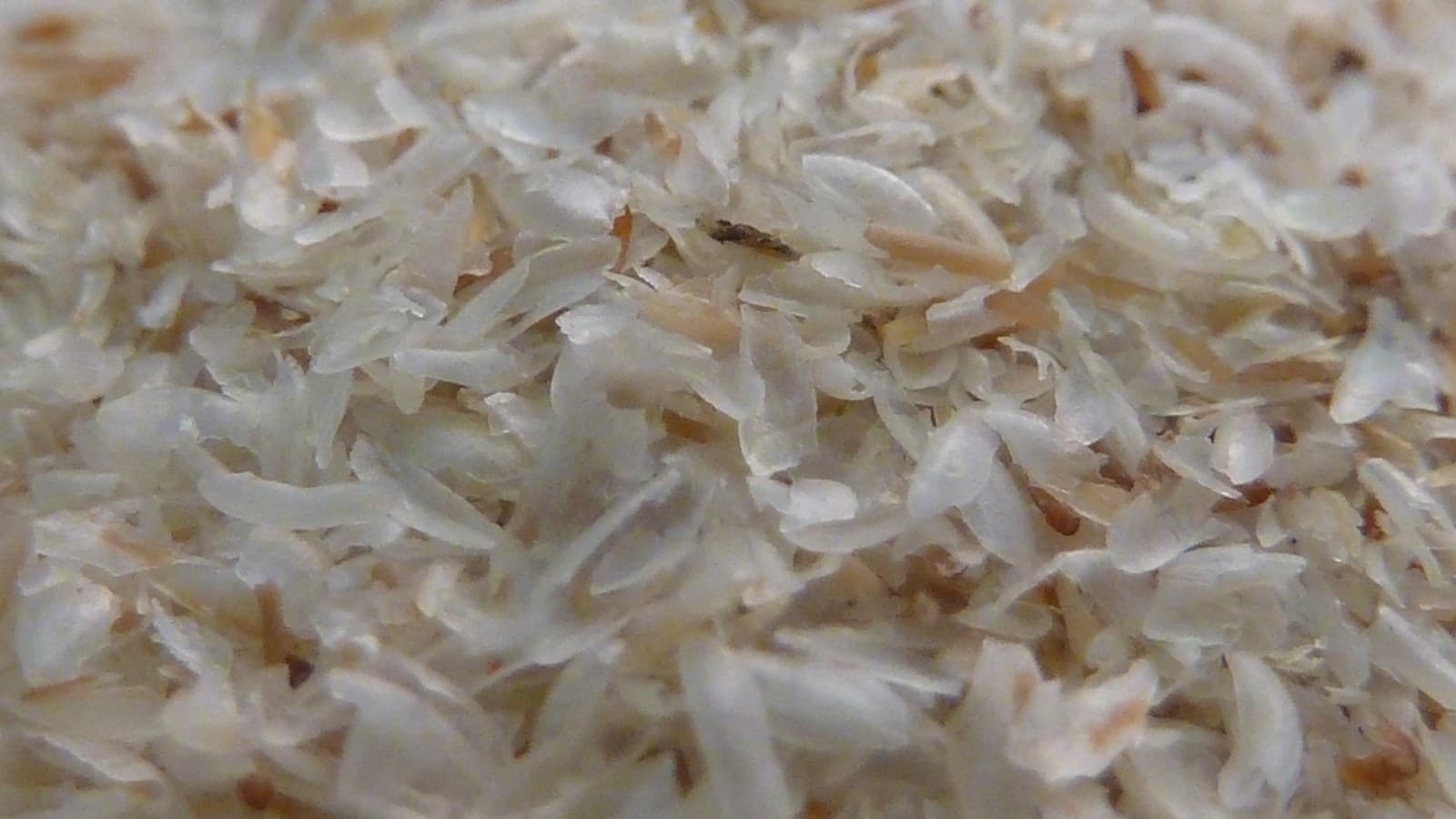
It has an authorised FDA health claim, which almost no supplement does, and meta-analyses behind it for cholesterol, blood glucose and constipation. One gel-forming property explains all three, and so does the way it goes wrong.
Aug 20, 2026
A major Cochrane review of nearly 2,000 people found intermittent fasting barely beats ordinary dieting. Here is what the data really supports.
Mar 10, 2026

A Yale study found semaglutide switches the brain's hunger neurons on rather than off, and that those neurons are required for fat loss to last. Remove them and the mice ate just as little and regained the weight within fifteen days.
Aug 25, 2026

One rigorous NIH trial proved ultra-processed diets cause overeating. A UK parliamentary report says the classification behind it is too blunt.
Jun 2, 2026
