Almost Every Skill Problem in Diving Is a Weighting Problem Wearing a Disguise
Divers who silt the bottom, burn through gas, struggle to hold a safety stop and finish cold usually share one cause. They are carrying too much lead, and every other symptom follows from it.
Saturday, September 5, 2026/3 min read
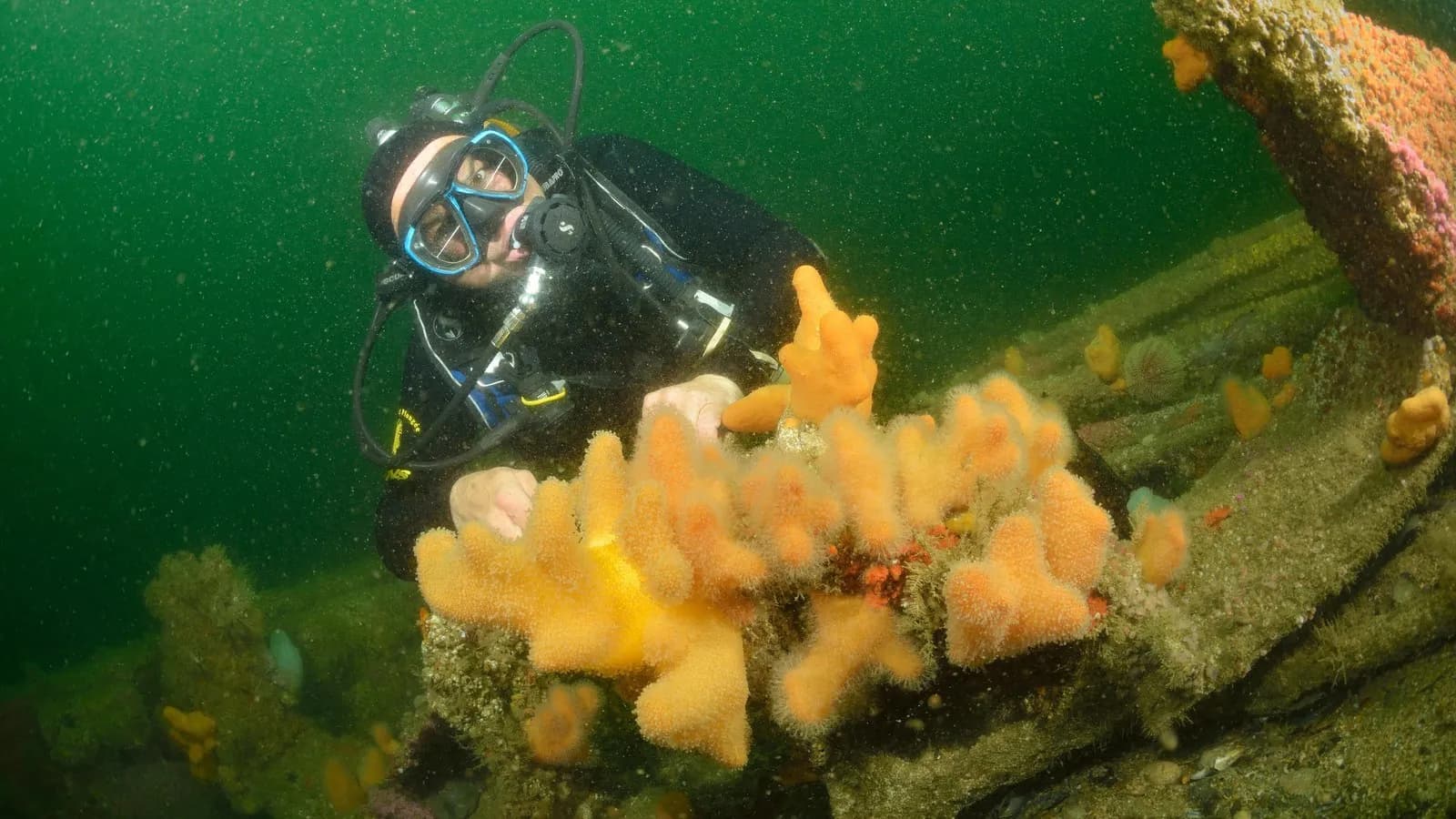
Watch a group of recreational divers and you can usually rank them on one variable. Not depth, not certification, not how much equipment they own. Whether they are still.
A diver in control hangs in the water and barely moves. A diver who is not is finning constantly, drifting up and down, and touching things. The difference is almost never talent, and it is almost always weight.
The cascade
This is the mechanism, and once you see it you cannot unsee it.
A diver is overweighted, usually by three or four kilograms, usually because a shop guessed high on their first dive and nobody has revisited it since.
To offset that lead they carry more air in the buoyancy compensator. That air is a gas, so it compresses on descent and expands on ascent. The more of it you carry, the more violently your buoyancy swings with every change in depth, and the more constantly you are adding and dumping to stay level.
Fighting that swing means finning. Finning with a body angled head-up, which is what excess lead on a belt encourages, drives you upward, so you compensate by dumping more air, which makes you heavier, which needs more finning.
The results are a diver who is never still, breathes hard, uses far more gas than their buddy, cannot hold a safety stop in any swell, kicks the reef, and gets cold because they are working the whole dive.
Every one of those symptoms is usually treated as a separate skill deficiency. They are one problem.
The weight check, done properly
Almost everybody does this wrong, because they do it at the start of the dive with a full cylinder.
Do it at the end, with roughly 50 bar left. Empty the buoyancy compensator completely. Hold a normal breath. You should float at eye level. Exhale fully and you should begin to sink slowly.
The reason it has to be at the end is that a cylinder gets lighter as you breathe it. An aluminium 80, the commonest recreational cylinder, is negatively buoyant when full and becomes roughly two kilograms positively buoyant when nearly empty. If you weight yourself correctly for the start of the dive, you will be two kilograms light at exactly the moment you are trying to hold a safety stop at five metres with an almost empty tank. That is why safety stops feel impossible to so many people.
Add exposure suit and salt water into the calculation and it moves again: a thicker wetsuit needs more lead, and it also compresses more with depth, so it takes buoyancy away as you descend and gives it back as you rise.
Trim is the other half
Weighting is how much lead. Trim is where it sits.
You want to be horizontal, ideally with your knees bent and fins raised behind you, because that is the position where a fin kick sends you forwards rather than driving water down onto whatever is below you.
If your legs sink, move weight upward: onto a tank band, into trim pockets, or by raising the cylinder in its band. If your legs float, which is common in drysuits, the fix is usually ankle weights or heavier fins.
A horizontal diver silts less, uses less gas, and can stop and hover on the spot, which is the actual skill.
Breathing as the fine control
The buoyancy compensator is for coarse adjustment. Your lungs are for everything else.
A full breath is worth several kilograms of buoyancy swing. Experienced divers rise and descend a metre or two entirely on lung volume without touching an inflator, and the habit to build is to make a small correction with your breath first and reach for the inflator only when that is not enough.
The counterproductive habit is skip breathing, holding the breath to stay up. It raises carbon dioxide, which gives you a headache and makes you feel breathless, and it is a genuine risk on ascent.
How to actually fix it
Take two kilograms off. Do a shallow dive in a controlled place and see whether you can still descend.
Most divers discover they can, and then discover the dive is entirely different. Repeat until you find the point where you genuinely cannot get down at the end of the dive, then add back the smallest increment.
This is the single highest return investment of time in recreational diving, and it costs nothing. Our related pieces on the safety stop and on weighting for freediving, which faces the same problem from the opposite direction, are worth reading alongside it.
Published in The Outspoken Digest
Editorial desk
Outspoken Digest Diving DeskCovers freediving, recreational and technical diving, dive medicine and the incidents the sport learns from.
Newsletter
The Digest, in your inbox
One edition, sent when it is ready. No noise, and your address is never passed on.
Read Next
More Diving →
Bleached Corals Recovered After Touching a Healthy Clone, Stanford Lab Study Finds
Oct 15, 2026/2 min read
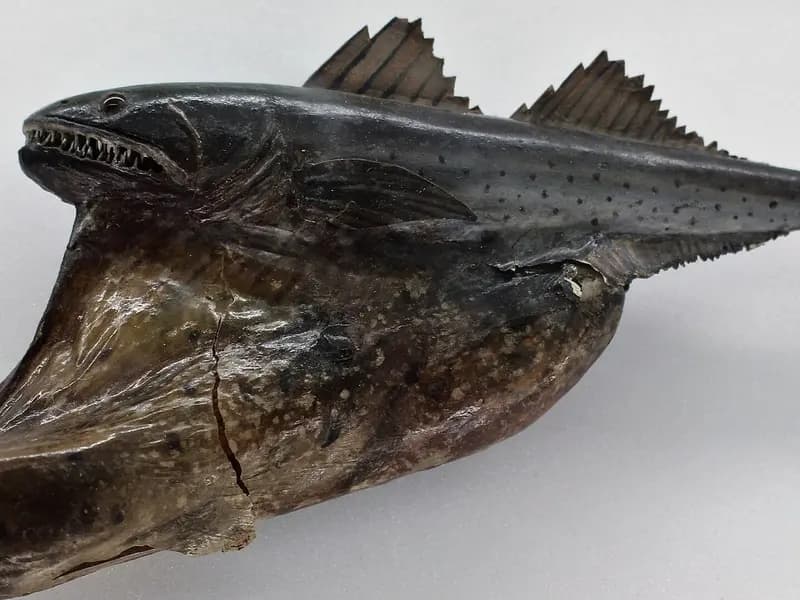
Black Swallower Filmed With a Hugely Swollen Belly 1,259 Metres Down Off Trinidad and Tobago
Oct 13, 2026/2 min read

Playing Recordings of a Healthy Reef Drew More Coral and Fish Larvae to Artificial Structures Off Hawaii
Oct 9, 2026/3 min read
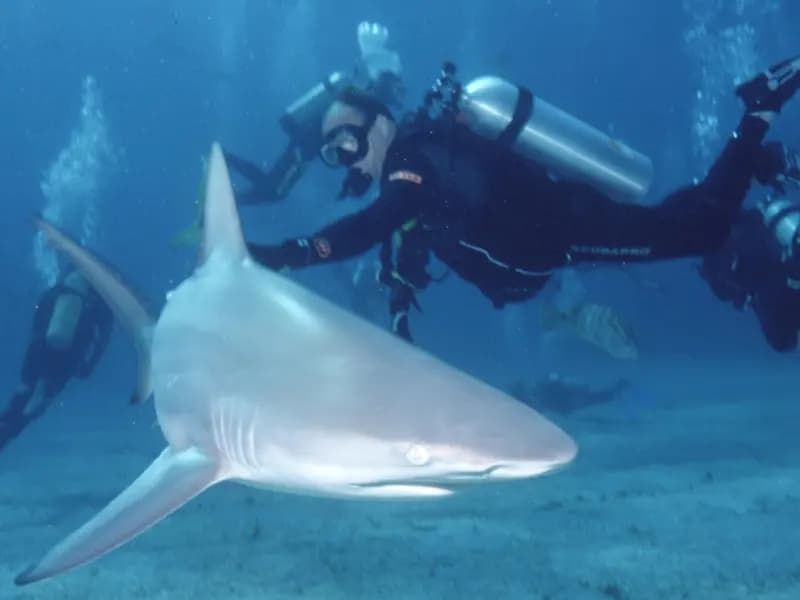
Blacktip Sharks Can Hear a Sound From Nearly 250 Feet Away and Swim Straight Toward or Away From It
Oct 1, 2026/2 min read