Congo Has Started Vaccinating Against Ebola With a Vaccine Built for a Different Ebola
The only licensed Ebola vaccine was made for Zaire ebolavirus. The outbreak killing people in eastern Congo is Bundibugyo. Vaccination began this week anyway, with 20,000 of the 70,000 doses formally designated as a trial.
Saturday, August 29, 2026/3 min read
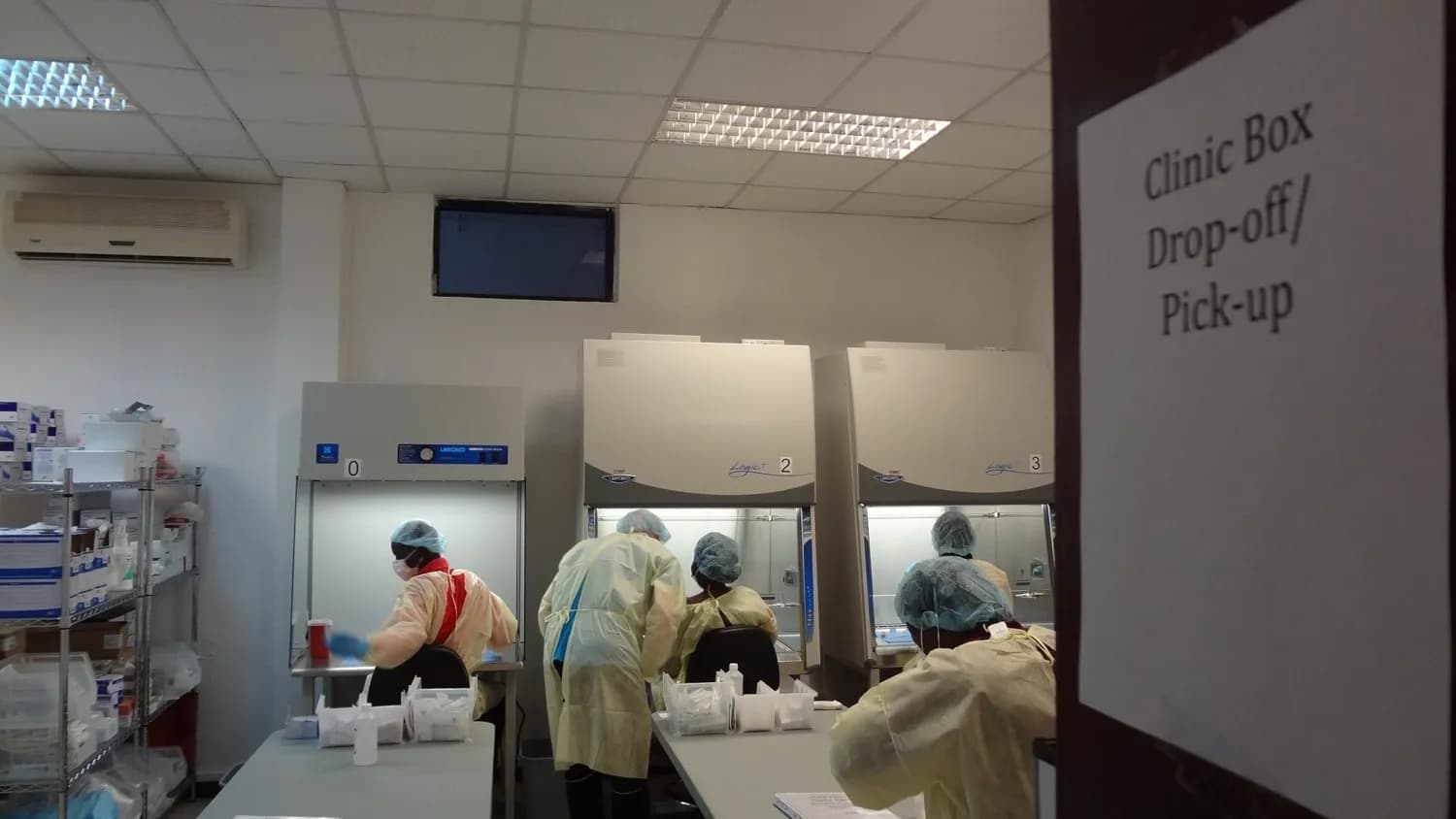
The Democratic Republic of the Congo began vaccinating against Ebola this week. The vaccine being used was not designed for the virus doing the killing.
This is not a scandal and it is not a mistake. It is the least bad option available, and understanding why is more useful than being alarmed by it.
The numbers first
The outbreak was declared on 14 May 2026 in the Mongbwalu health zone of Ituri province. A situation update published on 27 August put it at 5,794 confirmed cases and 2,786 deaths.
It has reached 54 health zones across six provinces: Ituri, North Kivu, South Kivu, Haut-Uele, Tshopo and Bas-Uele. It is the largest and deadliest outbreak in the country's history and the fastest growing on record anywhere. In size it is now second only to the West African epidemic of 2014 to 2016, in which 11,310 people died.
Why the vaccine is the wrong one
Ebola is not one virus. It is a genus, and the species differ enough to matter to an immune system.
Ervebo, the licensed vaccine, was built against Zaire ebolavirus, the species behind most previous outbreaks including the West African one. It works, and its arrival was one of the genuine public health achievements of the last decade.
This outbreak is Bundibugyo virus. There is no licensed vaccine designed for it. In emergency guidance issued on 28 May, the World Health Organization concluded that the evidence on cross protection from Ervebo against Bundibugyo is very limited and insufficient to estimate effectiveness, while noting that some studies suggest a possible partial response. On that basis it recommended that Ervebo should not be used programmatically against Bundibugyo outbreaks outside controlled research settings.
So what is being given, and to whom
Seventy thousand doses of Ervebo have been allocated, split in a way that reflects the guidance rather than ignoring it.
Twenty thousand are for a Phase 3 clinical trial designed to find out whether the vaccine does anything against this species. Fifty thousand are for frontline and health workers.
That second number is where the honest tension sits. Giving a vaccine of unproven effectiveness to the people at highest risk of exposure is defensible on the grounds that a possible partial benefit beats none, and it is the kind of decision every outbreak response eventually has to make. It is also, on any plain reading, a large deployment of a product the guidance says should not be deployed programmatically. Both of those things are true at once, and the response is being conducted in the open about it.
What is actually being tested
Whether an eleven year old vaccine has a second use nobody could confirm until an outbreak of the wrong species arrived.
That question has been open since Ervebo was licensed. It could not be answered in a laboratory, because the only way to measure effectiveness against a species is to vaccinate people who are being exposed to it. This outbreak is the circumstance in which the question gets answered, which is a bleak sentence and an accurate one.
Work on a vaccine for the right species is under way and will not arrive in time for this. The University of Oxford's Vaccine Group and Moderna have both begun human trials of Bundibugyo specific candidates, each at Phase 1, the stage that establishes safety, tolerability and immune response rather than whether it protects anyone.
The part that has nothing to do with vaccines
The outbreak is spreading through a region already carrying armed conflict, displacement, food insecurity and other health emergencies at the same time.
That is the variable that decides how this ends, and it is the one no laboratory addresses. Ebola is stopped by finding cases quickly, tracing contacts, isolating them and burying the dead safely, and every one of those depends on people being reachable and willing to be reached. A population that is moving because of violence is neither.
We made that argument when this outbreak was six weeks old, in a piece about health systems rather than pathogens, and nothing since has weakened it. For readers with travel in the region, our departure checklist covers what official guidance currently asks for.
The vaccination campaign is the visible part of this response and it is the smaller part. What the numbers say is that the invisible part is not working yet.
Published in The Outspoken Digest
Editorial desk
Outspoken Digest Health DeskMedicine, public health and the research behind the headlines, read carefully.
Newsletter
The Digest, in your inbox
One edition, sent when it is ready. No noise, and your address is never passed on.
Read Next
More Health →
Two Days After the Nobel for Optogenetics, a Small NEJM Trial Shows It Helped Some Blind Patients Detect Objects
Oct 9, 2026/3 min read
WHO Launches a Global Roadmap on Pre-Eclampsia and Pregnancy Hypertension, Tied to 42,000 Maternal Deaths a Year
Oct 8, 2026/3 min read
WHO Says Diet and Exercise Come First and Children Under 10 Should Not Get Weight-Loss Drugs or Surgery
Oct 7, 2026/3 min read
Kenya Confirms Its First Ebola Case, a Man Who Flew In From Uganda After Years in Congo and Died in Nairobi
Oct 6, 2026/3 min read