Designing From an Archive Is Harder Than Designing From a Mood Board
A twenty-three piece collection drawn from research into the Barbican's original interiors arrives this month. Working from a real archive imposes constraints that a reference image never does.
Monday, August 17, 2026/3 min read
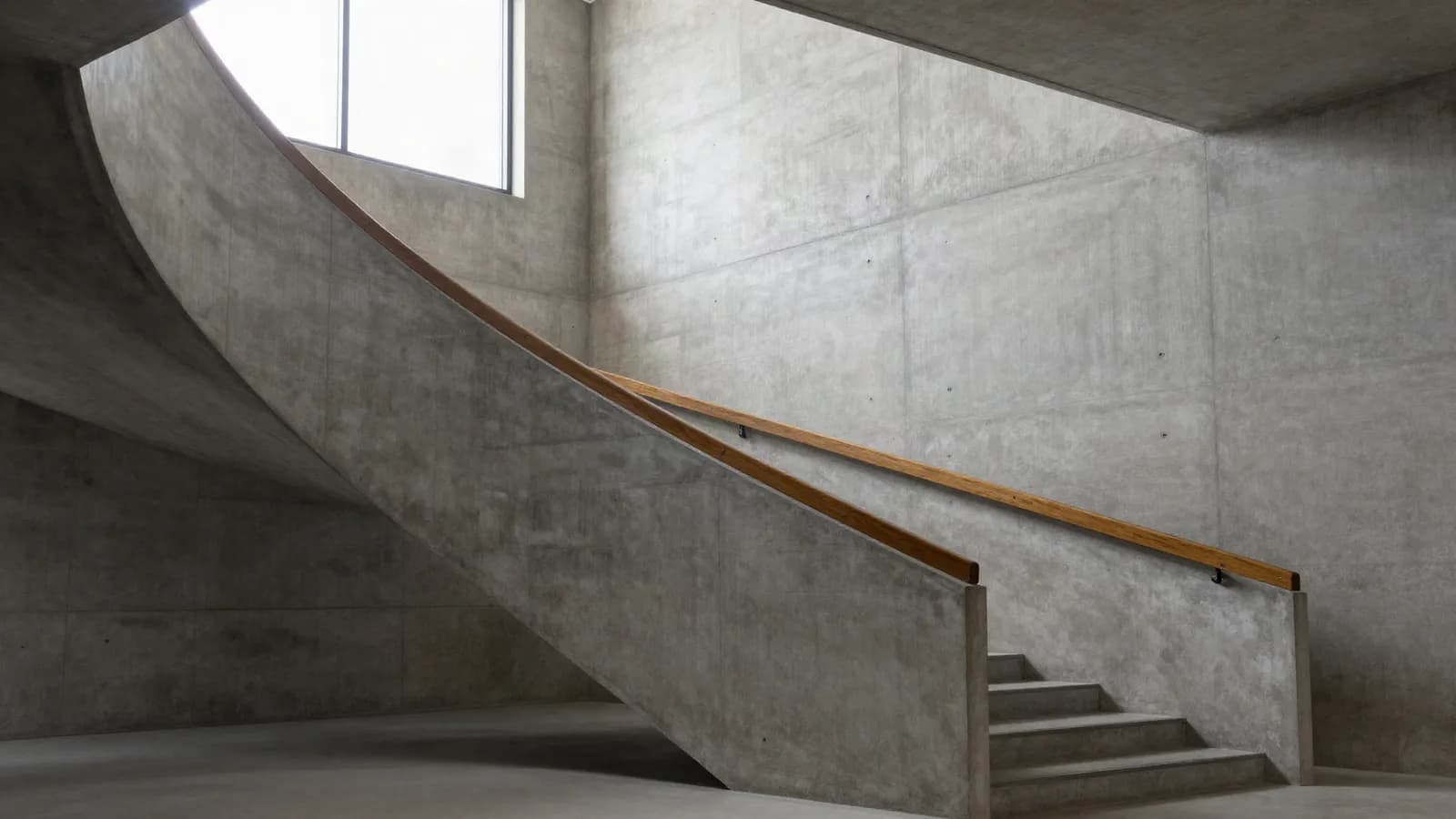
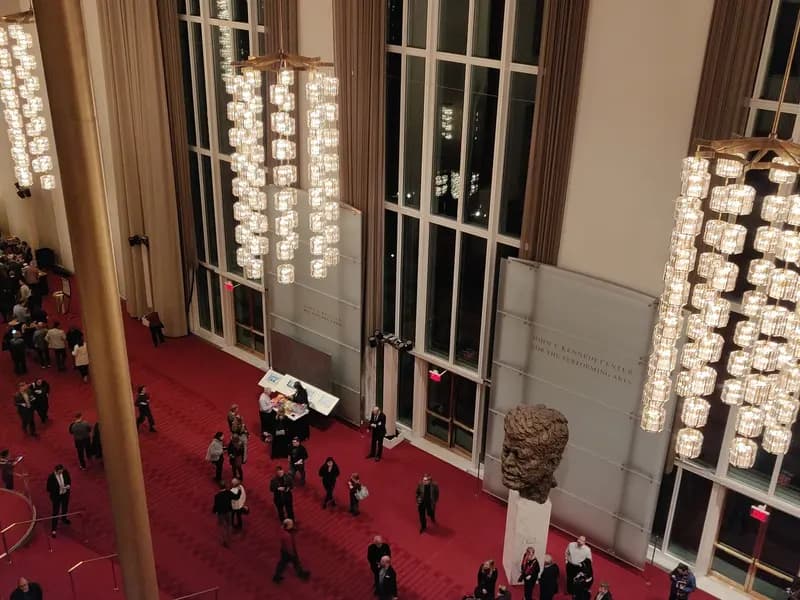
A twenty-three piece collection of furniture, lighting, textiles and accessories developed from archival research into the Barbican estate's original interiors goes on sale this month, ahead of a showing at the estate during London Design Festival.
The commercial logic is easy to see. The harder and more interesting question is what changes in a studio when the reference is an archive rather than a mood board.
An archive answers questions you did not ask
A mood board is a set of images chosen because they already agree with the idea. It confirms. An archive contains the drawings, the specifications, the substitutions made when a budget was cut and the complaints filed afterwards, and most of that material has no interest in supporting anyone's concept.
That is its value. Working from an archive surfaces the reasons behind decisions that a photograph flattens into style.
Take the Barbican specifically. Its interiors are usually reduced to a look: board-marked concrete, tile, warm timber against grey. The archive record is about servicing, acoustics, storage in small flats, underfloor heating, the cost of finishes and how residents were expected to live. A collection built from the drawings rather than the photographs ends up carrying proportions and details that came from those constraints, whether or not the designer set out to reproduce them.
The trap on the other side
The failure mode of archival work is pastiche, and it is common enough to be predictable.
It happens when a studio treats the archive as a shape library. You get the tapered leg, the ribbed glass, the specific ochre, arranged into an object that no one in the period would have made because the reasons for those features have been removed. It reads as a costume.
The distinction that matters is whether the research produced constraints or motifs. Constraints are things like the ceiling height, the door width, the size of a lift, the amount of storage a family needed, the fact that a material had to be cleanable. They generate new objects. Motifs generate replicas.
A useful test: if the collection could only exist because of what the research revealed, it is design. If the research could be deleted and the objects would survive unchanged, it is decoration with a story attached.
Why heritage estates are being mined now
Partly because the postwar period has completed its rehabilitation. Buildings that were candidates for demolition twenty years ago are now listed, photographed constantly and understood as coherent design projects rather than social experiments that failed.
Partly because provenance sells. A market saturated with visually similar furniture rewards anything that can explain where it came from, and an estate with an archive offers a claim that cannot be copied by a competitor working from the same trend forecast.
And partly because it is a reliable way to escape the sameness that comes from everyone drawing on the same sources. We looked at the underlying problem in warm minimalism and the limits of texture and at the slower manufacturing response in the end of fast furniture.
How to do archival research if you are not a museum
Most studios will never get access to a listed estate's records, and do not need to.
- Find the original specification, not the finished photograph. Planning portals, council records, trade catalogues and manufacturer literature from the period are often public and are far more informative than any interiors shoot.
- Look for the compromises. Where a project ran out of money is where its real priorities are visible.
- Talk to whoever maintained it. Caretakers, residents and facilities managers know which details worked, and that information exists nowhere in a drawing.
- Record what you rejected. The discipline of writing down why a period detail was not carried forward is what stops the collection sliding into pastiche later.
Is this nostalgia?
Only if the output is indistinguishable from the source. Reissuing a chair is nostalgia. Understanding why a chair was that width, discovering the reason still applies to a small flat in 2026, and designing accordingly is just competent practice with a longer reading list.
The collection arrives in shops this month, and shows at the estate itself during the festival, which runs from 12 to 20 September.
Published in The Outspoken Digest
Newsletter
The Digest, in your inbox
One edition, sent when it is ready. No noise, and your address is never passed on.
Read Next
More Design →
Jaguar Type 01 Arrives as a 1,030hp Electric Grand Tourer With No Rear Window and the Concept's Look Intact
Oct 13, 2026/2 min read

Drew Henry Reset Courreges for Spring 2027 With a Pared-Back Debut at the Palais de Tokyo
Oct 1, 2026/3 min read
Choosing Light Bulbs: Lumens, Kelvin and Colour Rendering Explained, Room by Room
Sep 21, 2026/3 min read