Early in the conflict the projections ran to 150 dollar oil and contracting Gulf economies. Halfway through August the numbers are less dramatic and more interesting than either the panic or the relief.
Twenty announced transactions are waiting for permission to happen. The delay is not bureaucratic sloth, it is three separate review regimes that did not exist in this form a decade ago.
Measurement, medical imaging, homebuilding and a presentation startup all changed hands in the first fortnight of August. The mid-market is moving while the giants wait on regulators.
Shareholders approved it, the UK waved it through in August, and a group of US states went to a federal judge to stop it. The largest media deal in a generation is still not finished.
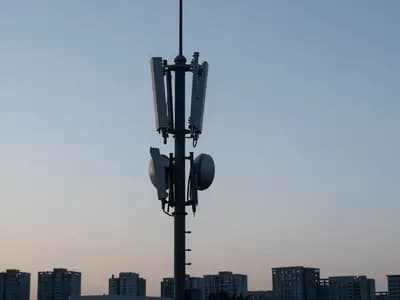
Four years ago Etisalat surprised the market by buying into Vodafone. In July it sold the lot to a French billionaire's family vehicle. The exit says more about European regulation than about telecoms.
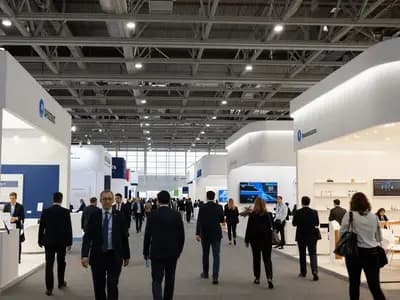
Firms spend heavily on stands and almost nothing on follow-up, then conclude that exhibitions do not work. The floor is the cheap part of the exercise and the least important.
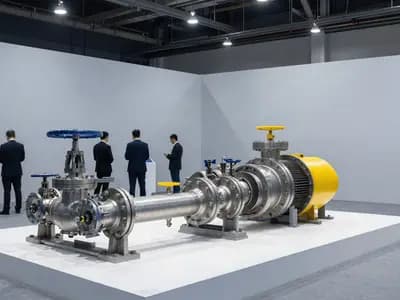
Abu Dhabi's energy week arrives on 2 November with hydrogen and carbon capture across the agenda and hydrocarbons across the balance sheets. Both things are true at once.
Riyadh opens at the end of August, Abu Dhabi takes November, Dubai takes the rest. Four shows account for most of the region's commercial calendar between now and the new year.
Roughly six trillion dollars of sovereign wealth now sits behind the region's funds. What that money buys, and where it is deployed, matters more to the next ten years than the oil price does.
Weaker dividend income, higher operating costs and a bigger tax line pushed the Saudi investment house lower in the first half. Each of those pressures applies well beyond one company.
Profit rose 29 percent as Hormuz disruption pushed crude to $108 a barrel in the second quarter. The number says more about the strait than about the company.